



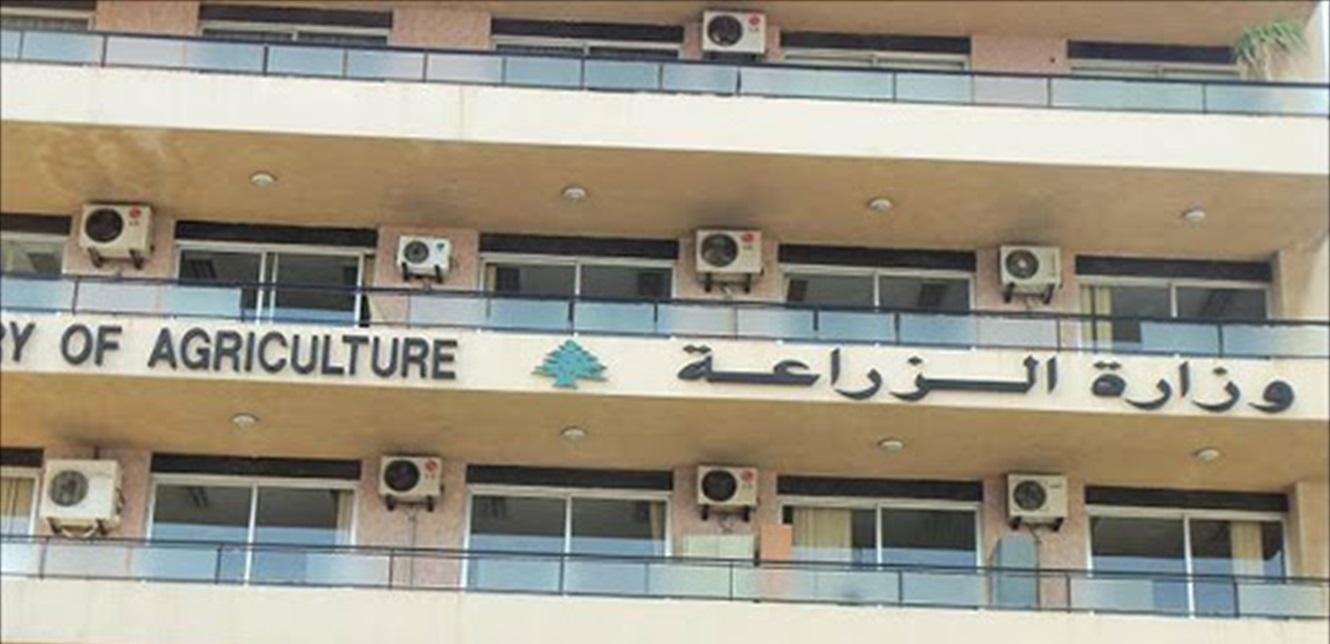
LEBANON – The Ministry of Agriculture said in a statement that, out of concern for protecting national agricultural production and supporting Lebanese farmers, it is taking action amid growing challenges facing potato exports due to limited external markets.
The Ministry noted that large quantities of potatoes have accumulated in storage and cold facilities, while the potato production season in Akkar Governorate is starting earlier than usual this year as a result of climate change.
In this context, the Ministry reaffirmed its commitment to adopting the necessary regulatory and scientific measures to control market movement, organize supply and demand, and protect local production from any imbalances that could threaten its stability or sustainability.
It added that, in full cooperation and coordination with the Ministry of Agriculture of the Arab Republic of Egypt, the import of Egyptian potatoes will be restricted to the period from February 10 to March 20.
The Ministry also set the total quantity of potatoes needed by the Lebanese market during the current year at 50,000 tons, divided between table potatoes and industrial potatoes, in a way that meets market needs without harming national production or disrupting the balance of supply and demand.
The statement explained that import figures from the past three years (2023–2024–2025) were adopted as a scientific and objective basis for determining quotas, with priority given to importers and factories based on their actual import volumes during that period.
The Ministry emphasized that this measure falls within an integrated national policy aimed at protecting local production from dumping and unfair competition, supporting Lebanese farmers, regulating the agricultural market, and controlling import mechanisms.
It also seeks to achieve a balance between the interests of producers, consumers, and industrial facilities, while promoting contract farming between farmers and manufacturers to ensure production and marketing stability.
The Ministry called on all concerned parties to take note of the decision and understand its national and economic dimensions, stressing that it is a necessary regulatory step to protect the agricultural sector, enhance food security, and ensure market stability.
It further affirmed the strength of fraternal relations and institutional cooperation with the Ministry of Agriculture of Egypt, serving the mutual interests of farmers in both countries and reinforcing Arab agricultural integration based on partnership, balance, and sustainable development.