



BEIRUT — Lebanon’s agricultural sector faces mounting challenges that require stronger policy coordination to protect local production and ensure food security, Agriculture Minister Dr. Nizar Hani said during parliamentary discussions this week.
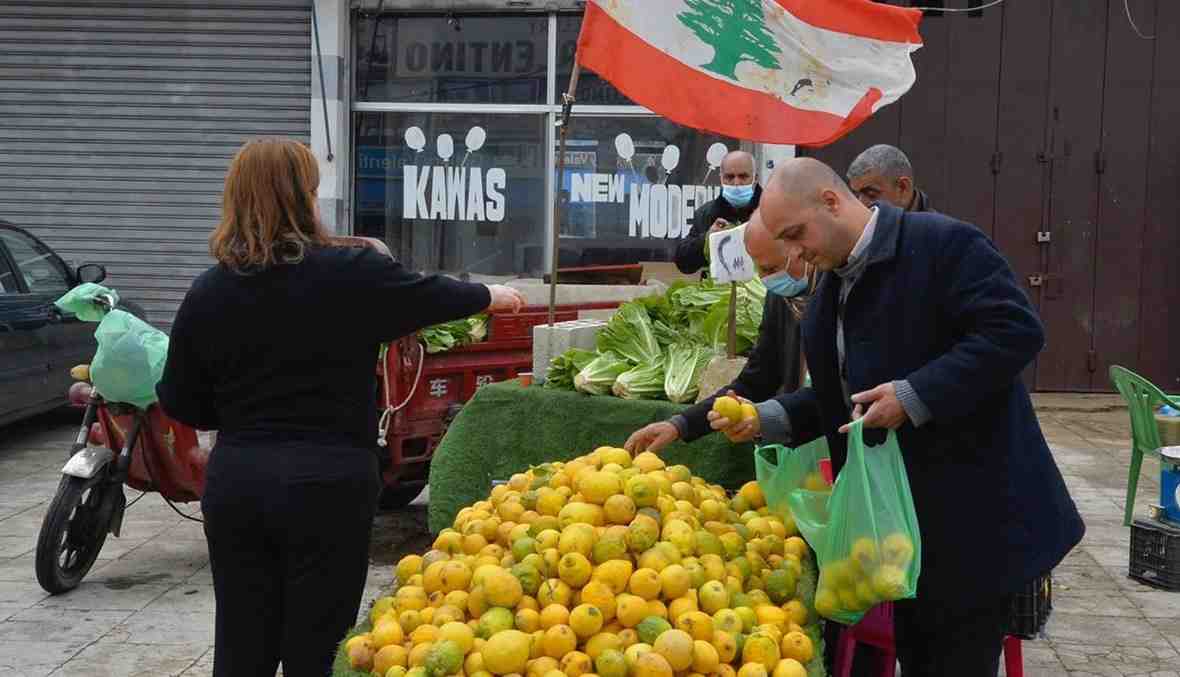
Minister Hani stressed the need to safeguard domestic farmers, warning that potato imports must be carefully regulated and aligned with actual market demand to prevent harm to producers and maintain price stability.
He said unregulated imports risk disrupting the balance of the agricultural sector and undermining national production.
The minister also said talks addressed the initial review of the Arab Facilitation Agreement, with a view to achieving a fairer balance in agricultural trade and protecting Lebanese interests, particularly in light of shifting regional economic and commercial conditions.
Minister Hani pointed to progress in drafting the implementing decrees governing the cultivation of cannabis for medical and industrial purposes, describing the initiative as a promising opportunity to strengthen the agricultural economy.
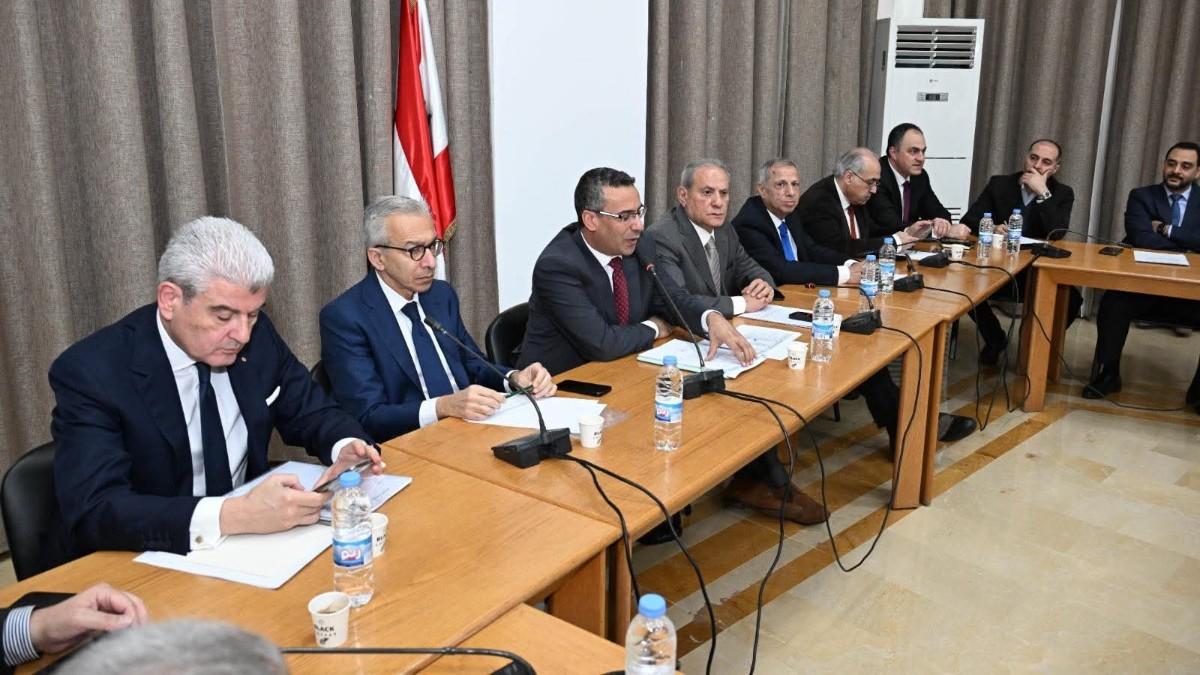
The remarks were made during a session of the parliamentary Agriculture and Tourism Committee, chaired by MP Ayoub Hmeid, and attended by Economy and Trade Minister Amer Bsat and Industry Minister Joe Issa El Khoury, along with committee members and representatives of relevant unions and sectors.
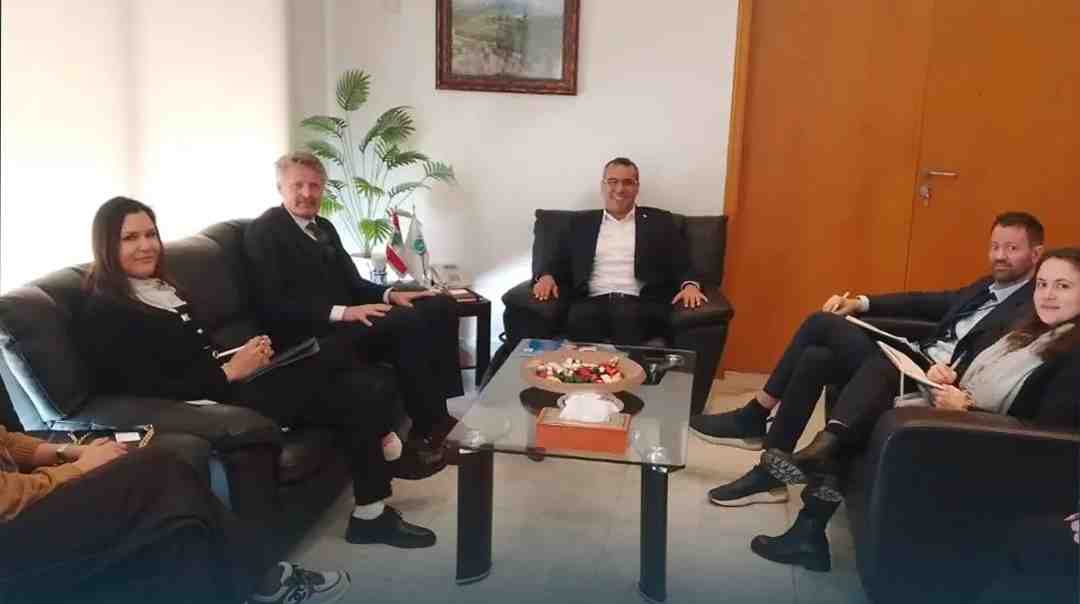
In a separate development, the agriculture minister met with a World Bank delegation to assess progress on the GATE project.
The delegation expressed satisfaction with the pace of implementation, noting that work is proceeding according to the established timeline.
Discussions also covered preparations to move into on-the-ground implementation, particularly in southern areas, including irrigation infrastructure, renewable energy solutions, and direct support for farmers.