LEBANON - Micro, small, and medium enterprises shape more than 90 percent of Lebanese businesses and contribute over half of the country’s GDP. Yet nearly 60 percent report difficulties resuming operations amid ongoing economic strain.
Since the start of the financial crisis, MSMEs have operated under significant pressure, facing currency volatility, high production costs, weakening domestic demand, and complex regulatory procedures. For many entrepreneurs, the constraint has not been ambition, but the absence of a business-enabling environment that supports trade, growth, and expansion.
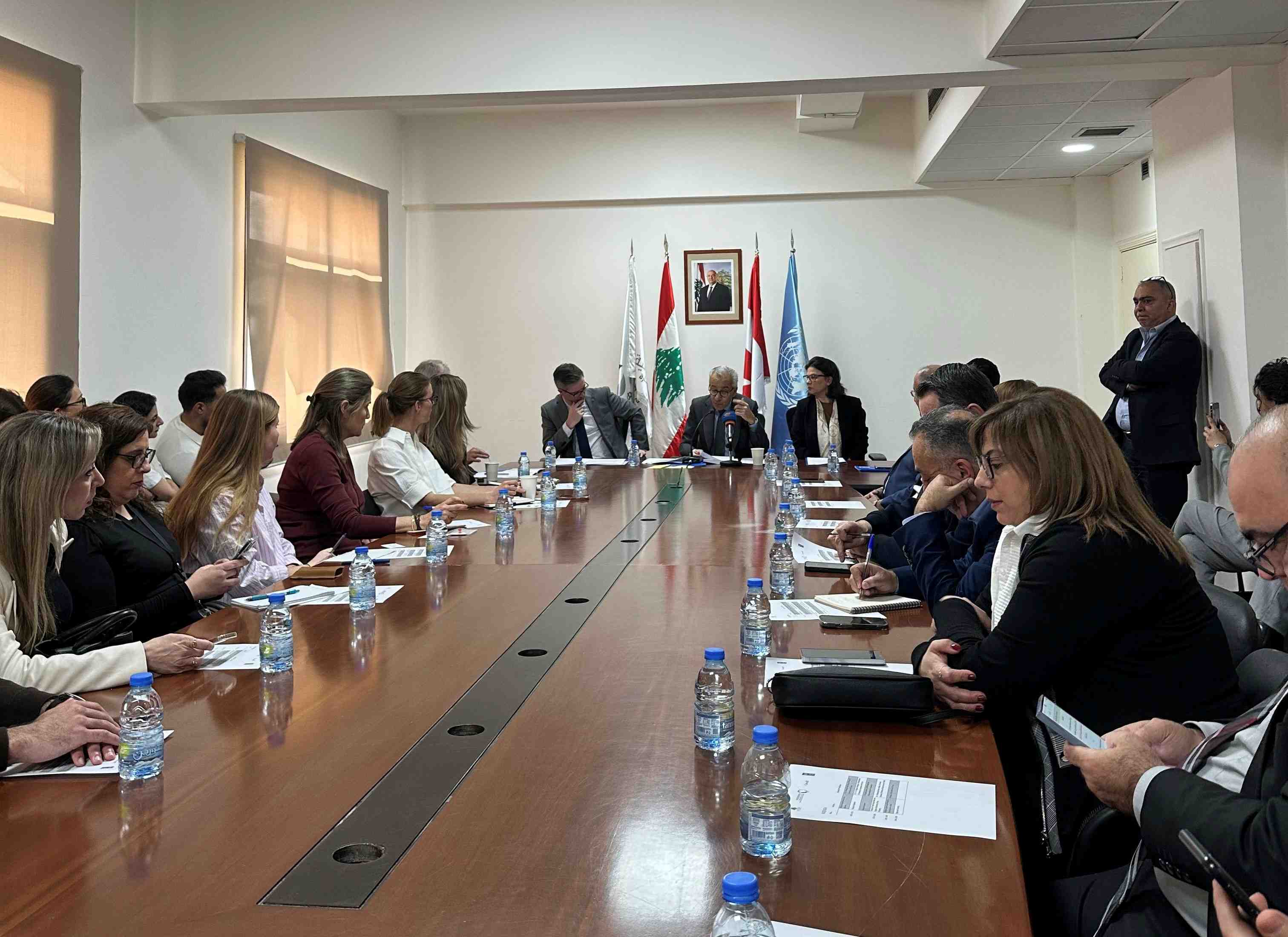
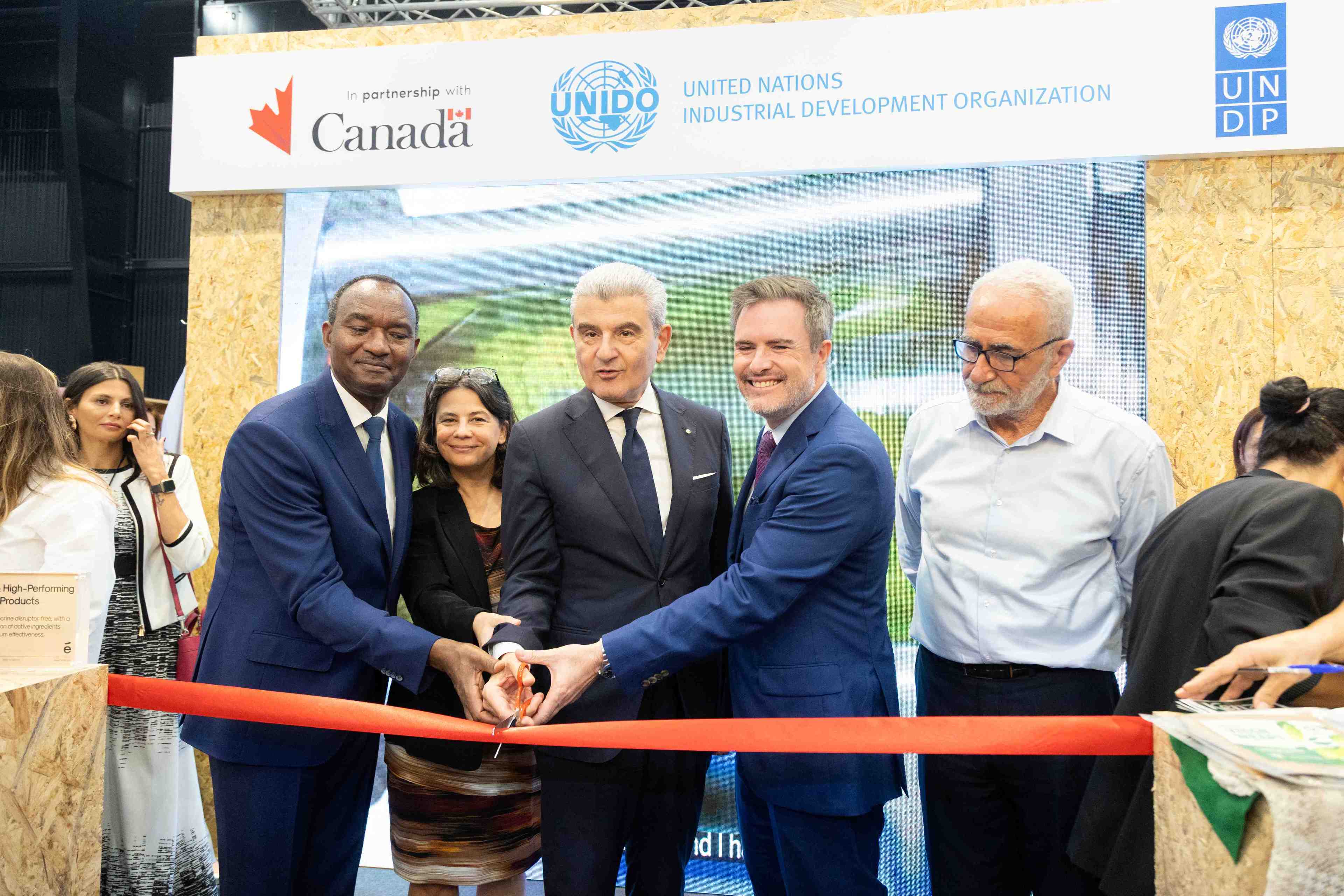
On February 16, 2026, the Ministry of Economy and Trade, in partnership with UNDP and with support from the Government of Canada, launched the National Trade Help Desk, Lebanon’s first centralized platform dedicated to supporting MSMEs.
The platform offers a user-friendly booking system for consultations, practical guidance on how to conduct business in Lebanon and abroad, and tailored support delivered through the Chambers of Commerce. MSMEs can access one-on-one consultations, targeted training sessions, and interactive workshops designed to help them navigate trade procedures and expand into new markets.
For an economy where SMEs account for more than 50 percent of GDP, the initiative targets a central pillar of Lebanon’s productive base. “Lebanese businesses have never lacked talent or ambition. The real question is whether the system around them keeps pace,” said H.E. Mr. Gregory Galligan, Ambassador of Canada to Lebanon and Syria.
Minister of Economy and Trade H.E. Dr. Amer Bisat emphasized that the National Trade Help Desk is not a stand-alone intervention but part of a broader reform trajectory aimed at strengthening Lebanon’s business climate.
In the short term, Lebanese firms face a competitiveness challenge. High electricity costs, fragmented procedures, and administrative bottlenecks weaken their ability to compete with imported goods and limit export expansion. By centralizing information and reducing transaction costs, the Trade Help Desk seeks to address some of these immediate frictions.
Beyond competitiveness lies the longer-term objective of productivity. While cost conditions determine whether firms can remain viable, productivity determines whether they can grow, innovate, and sustain value creation over time. Facilitating market access and information clarity can contribute to firm upgrading, particularly if aligned with wider efforts to improve energy regulation, institutional reform, and the overall investment climate.
Confidence also plays a role in the recovery process. In post-crisis economies, investor confidence, lender confidence, and public trust in institutions influence economic behavior. Strengthening trade institutions and improving coordination can serve as signals that reform is underway.
Economic recovery strategies often rely on early, practical measures that demonstrate progress and build public support for deeper structural reform. In that context, the National Trade Help Desk may represent an initial step within a broader strategy aimed at reinforcing competitiveness in the short run while laying the groundwork for long-term productivity growth.