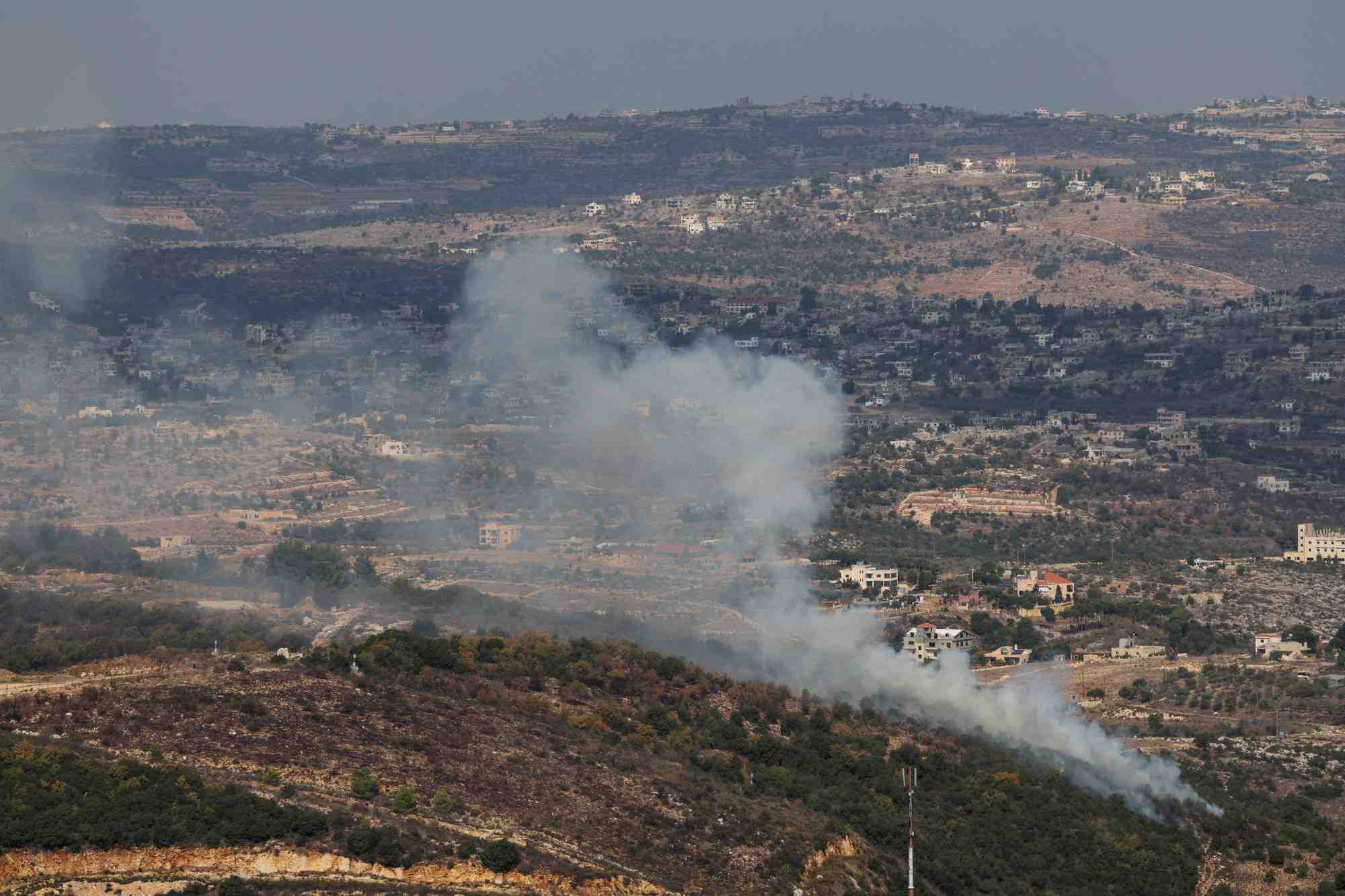




LEBANON – Lebanese authorities, including the Ministries of Agriculture and Environment, have confirmed severe environmental damage in southern Lebanon after aircraft sprayed high concentrations of the herbicide glyphosate over farmlands and villages near the Blue Line, including Aita al-Shaab, Ramieh, and Marwanieh.
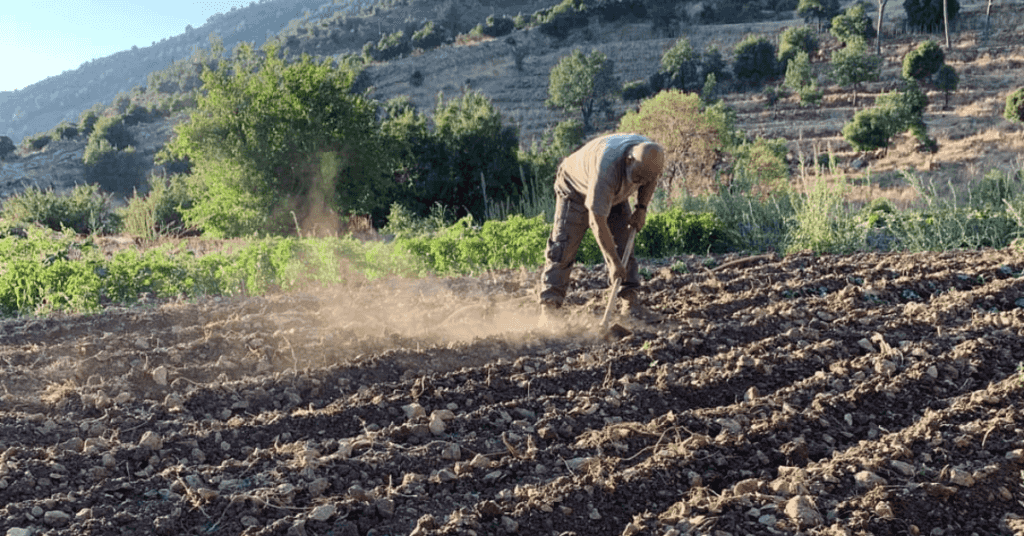
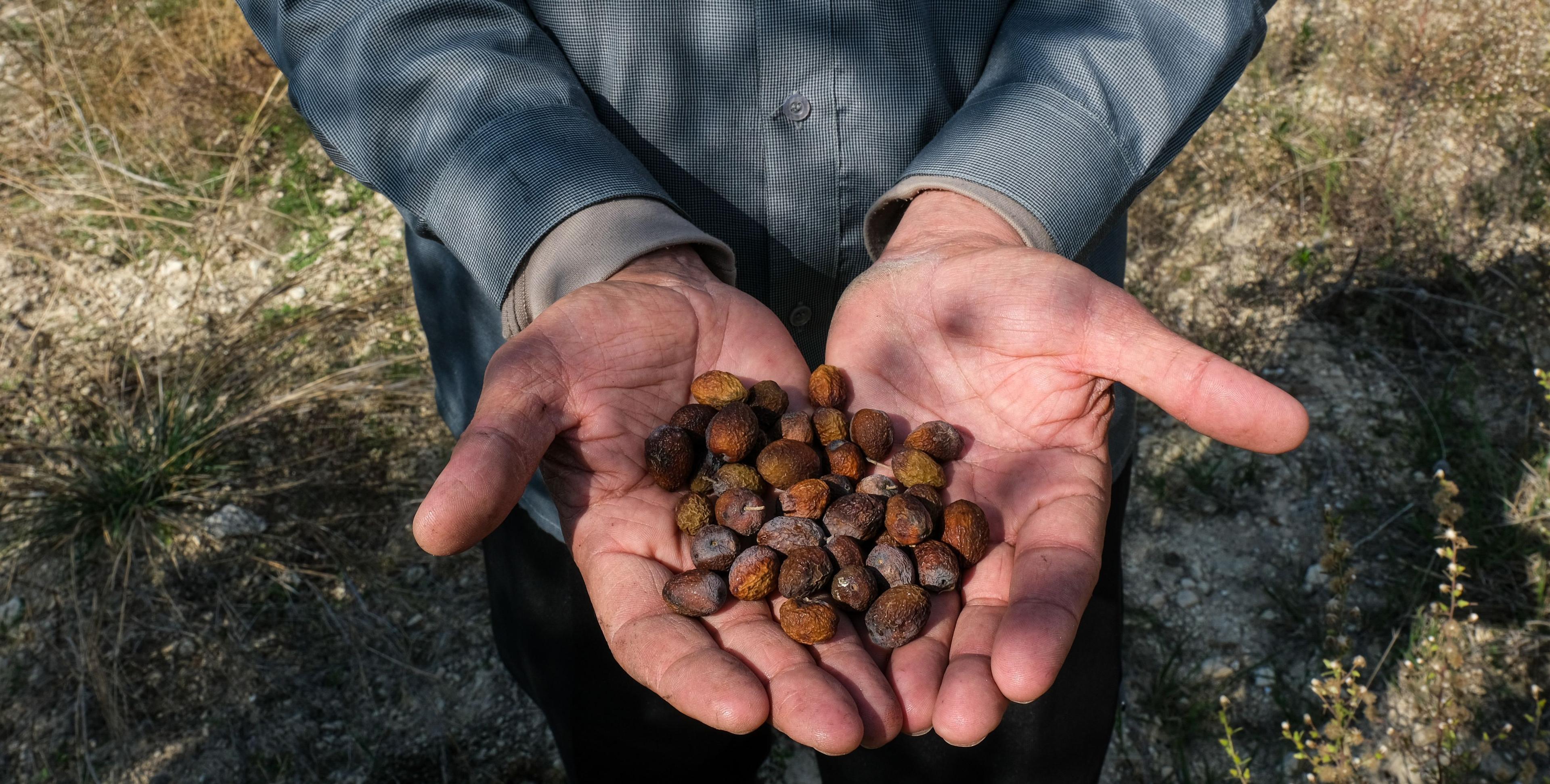
The toxic chemical, banned in many countries due to its risks to soil, water, crops, and human health, was reportedly used at levels 30 to 50 times higher than normal. Olive groves, orchards, and fields that local farmers depend on for their livelihoods have been devastated.
President Joseph Aoun strongly condemned the incident as an environmental and health crime. UNIFIL also expressed deep concern over the long-term damage to agriculture and the ability of displaced families to return home safely.
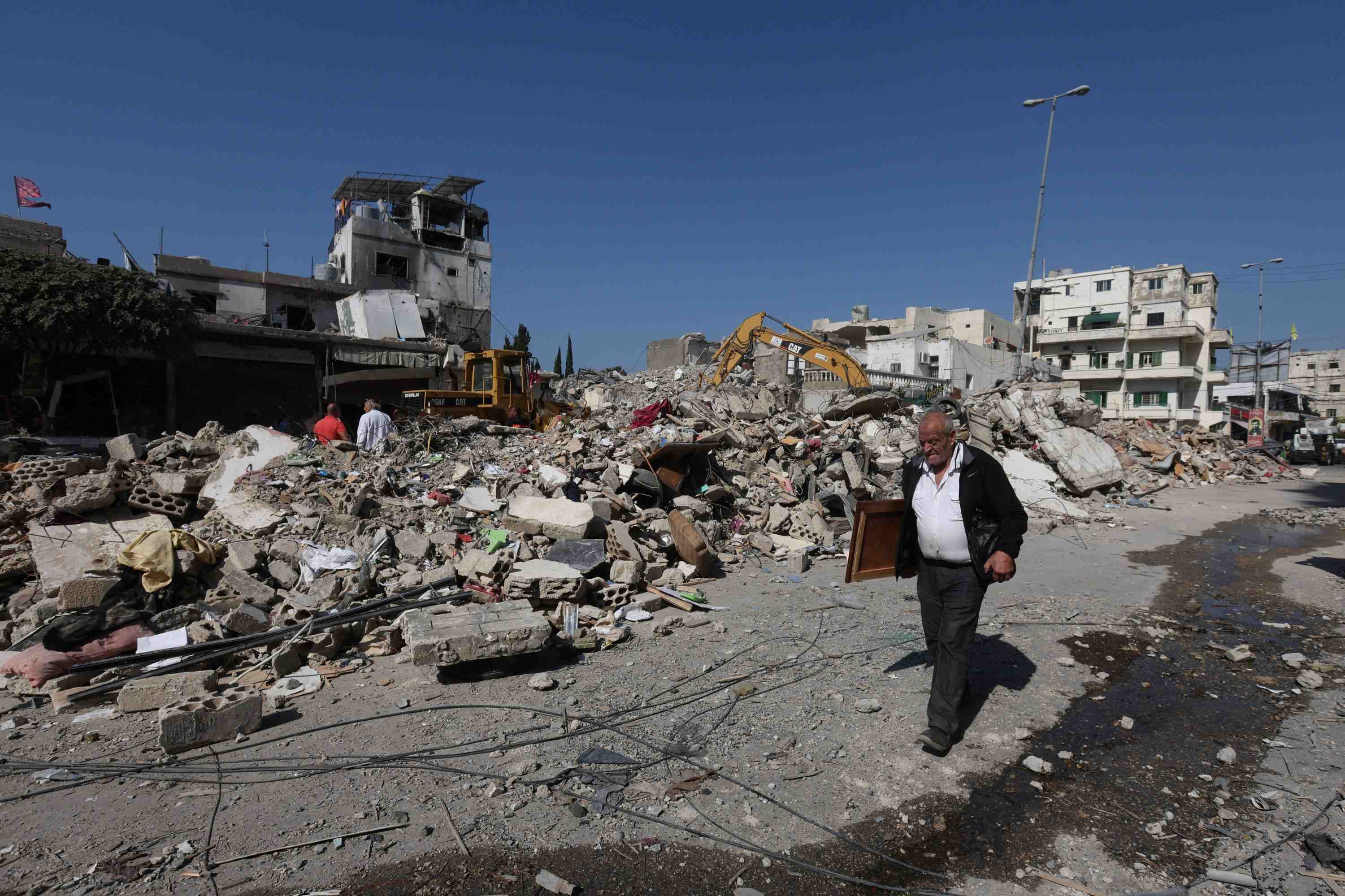
Authorities noted that this is not an isolated incident but part of a repeated pattern of destruction, adding to the scars left by fires, bombardments, and other violations since the recent escalation.
Environmental teams are monitoring soil and water quality and coordinating measures to support affected farmers and communities. Residents and farmers were urged to follow official updates and safety guidance issued by the ministries.