LEBANON - Lebanon’s Minister of Economy, Amer Bisat, said the country’s food situation remains relatively stable despite ongoing security challenges, stressing that authorities are working to maintain supply chains and prevent price manipulation.
Speaking to Al-Araby Al-Jadeed, Minister Bisat said the government has been preparing for potential disruptions and is focused on keeping food stocks continuously replenished while ensuring regular distribution.
“Security conditions are difficult and sensitive, with significant destruction and ongoing attacks,” he said. “But despite the challenges, the food situation is relatively comfortable, and supplies are available.”
According to the minister, wheat stocks currently cover about 45 days in mills and roughly five days in bakeries. Supply lines between mills and bakeries remain operational, with additional shipments expected soon.
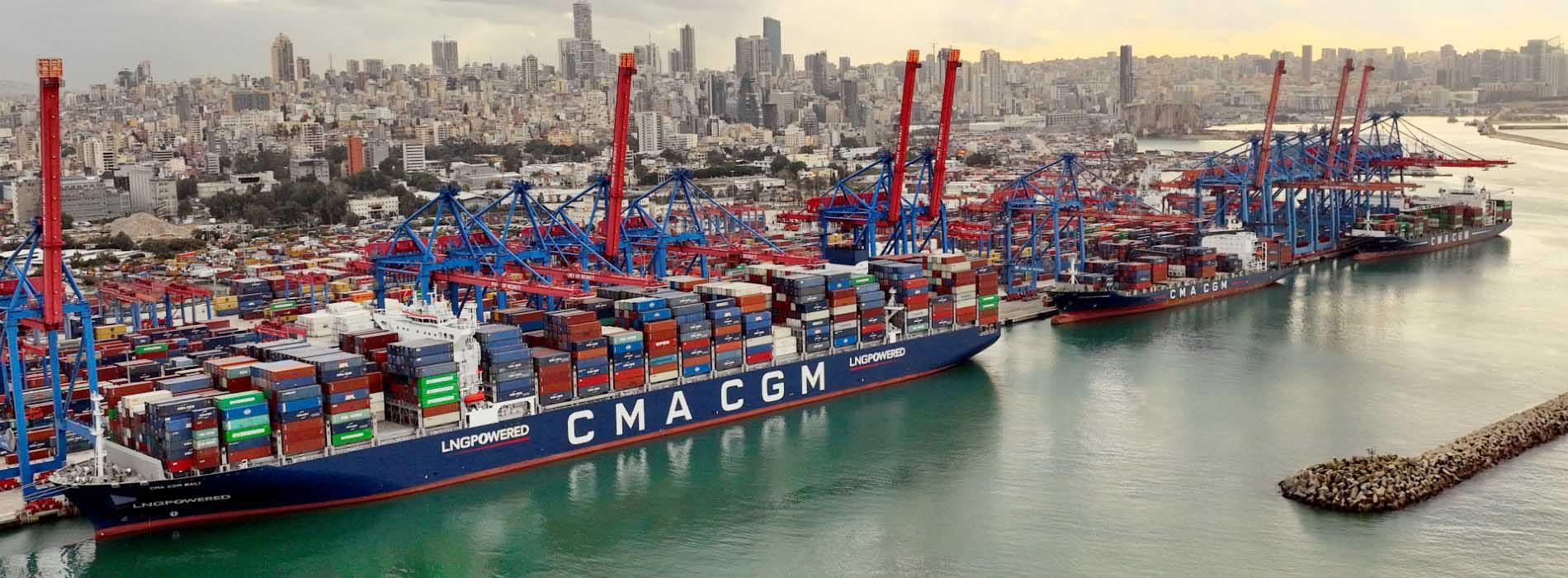
A cargo ship carrying wheat is due to arrive within a week, followed by another in about 20 days.
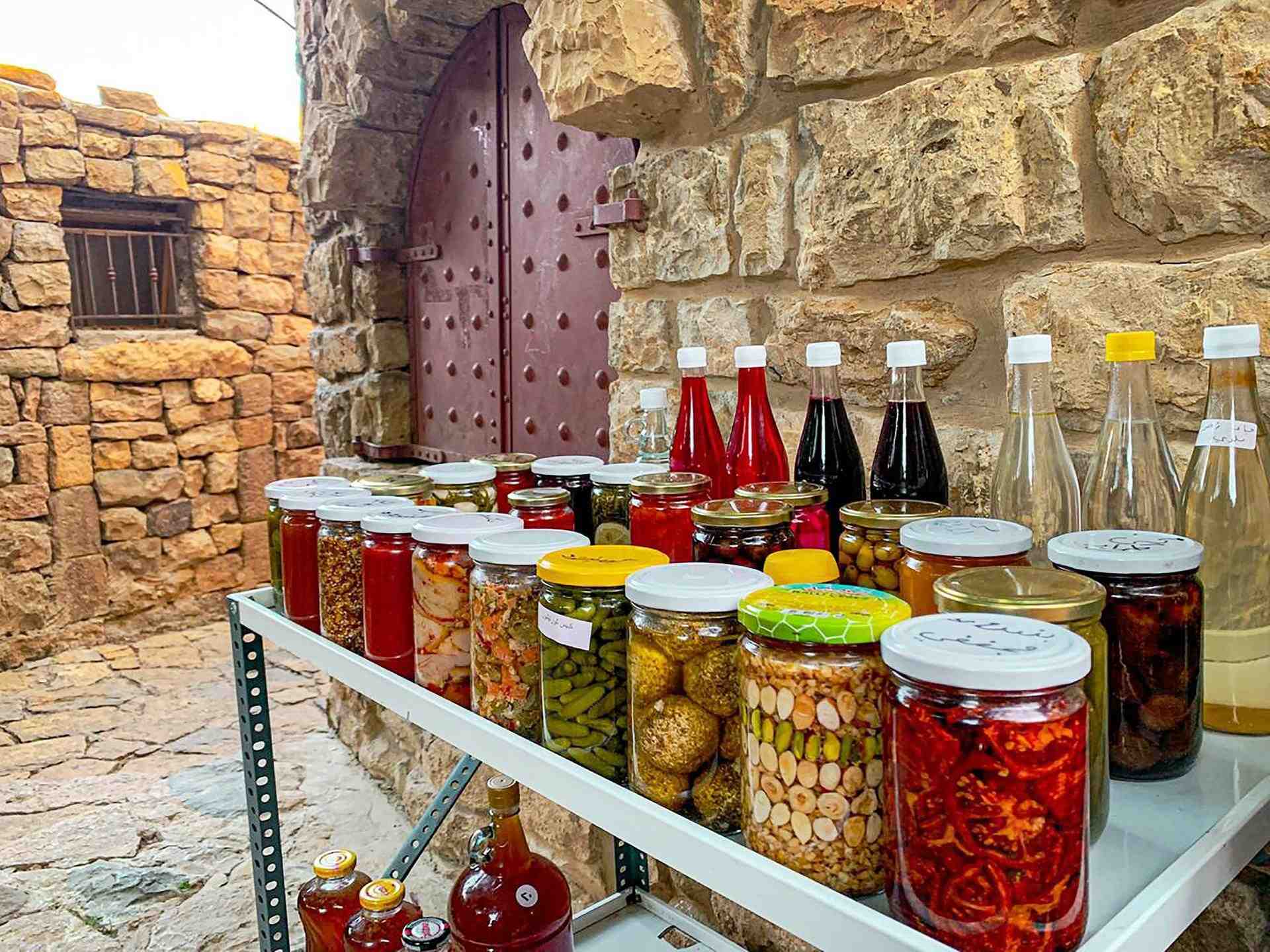
Minister Bisat added that food products remain widely available, partly because importers increased purchases in preparation for the Muslim holy month of Ramadan.
Goods on supermarket shelves are estimated to cover around one month of demand, while warehouse stocks could last an additional three months.
Fuel supplies are also being replenished regularly, with tankers arriving at the Port of Beirut almost daily. Current fuel reserves are estimated to last between two and two-and-a-half weeks, with priority deliveries allocated to hospitals, mills, and bakeries.
Addressing concerns about rising prices and potential exploitation during crises, Bisat said the ministry has received reports of price increases and isolated cases of hoarding but noted that it is still too early to fully assess the situation.
He said the ministry is responding through three main measures: stricter market monitoring, increased transparency in price tracking, and closer coordination with importers and supermarket owners.
Authorities have instructed inspectors to intensify monitoring efforts, issuing violation reports and imposing fines when necessary, with some cases potentially referred to the judiciary or leading to temporary business closures.
Minister Bisat also said the ministry is strengthening price monitoring through digital systems that track the real cost of goods and allow inspectors to respond quickly to violations.
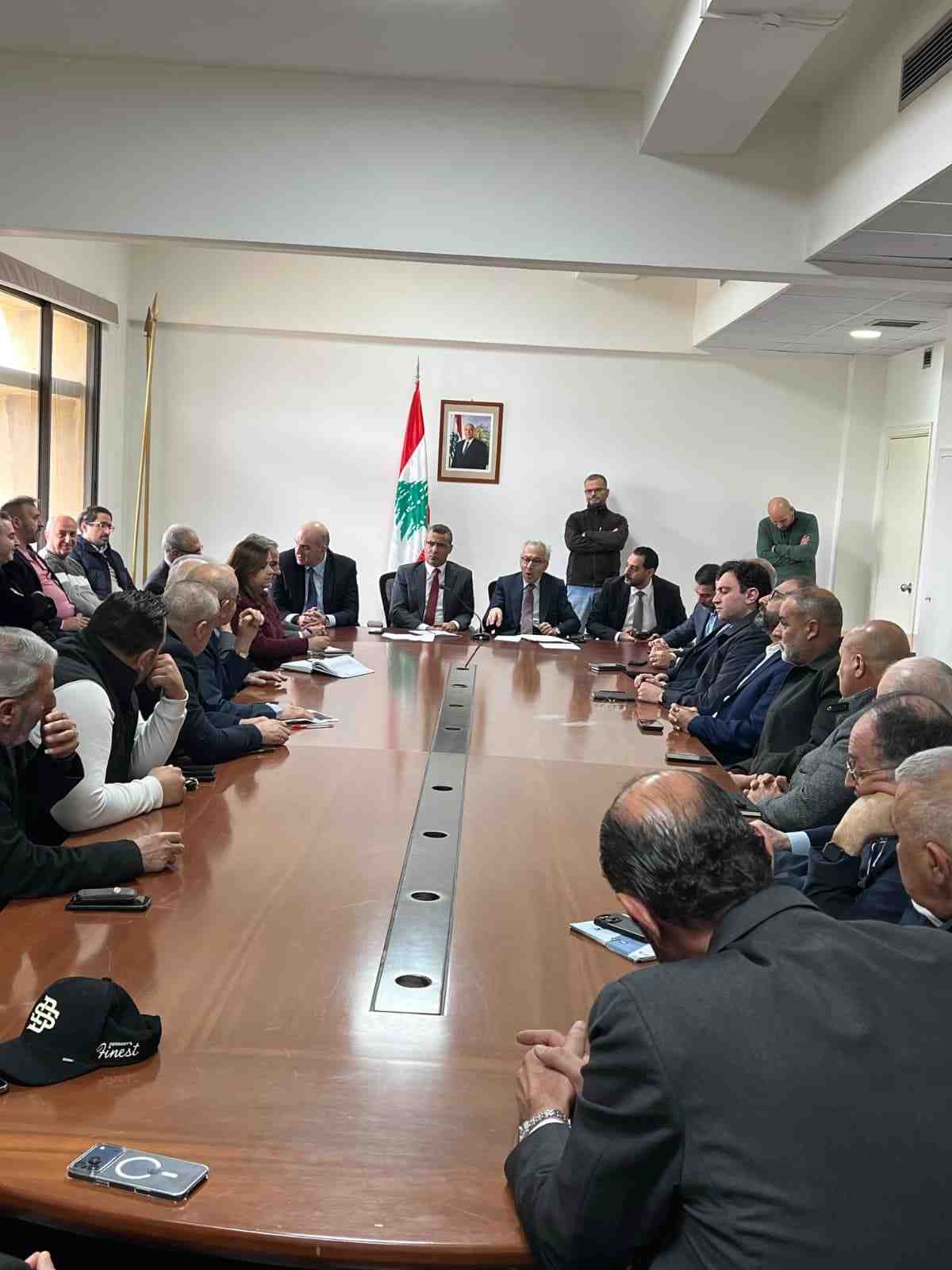
He added that an emergency meeting is scheduled for Friday to discuss price trends and supply conditions, with the participation of ministers, the central bank, statistics officials, and security forces.
Despite logistical challenges in delivering goods to areas affected by Israeli strikes and security threats, the minister said authorities are coordinating with the Interior Ministry and local municipalities to facilitate shipments and maintain supply routes.