



LEBANON— On 2 March 2026, Israeli airstrikes targeted Beirut’s southern suburbs and multiple locations across Lebanon following attacks by Hezbollah, marking the most significant escalation since the November 2024 ceasefire.
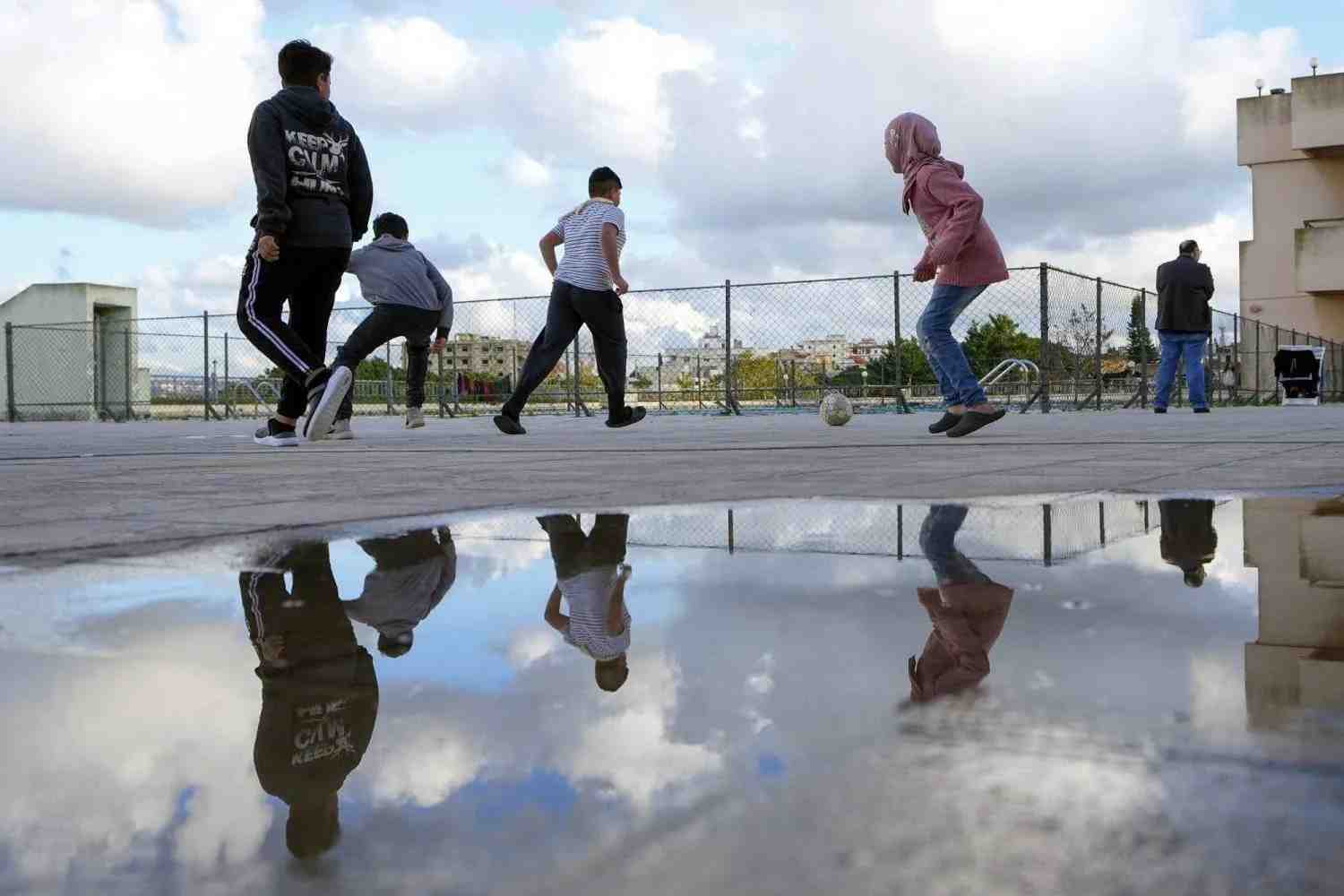
As of 5 March, authorities report 102 people killed and 638 injured. The latest figures indicate that approximately 100,372 people are internally displaced, including an estimated 50,366 women and girls, across 22,950 households.
Among the displaced are around 4,000 female-headed households, 1,600 households led by persons with disabilities, and 5,200 households headed by older persons.
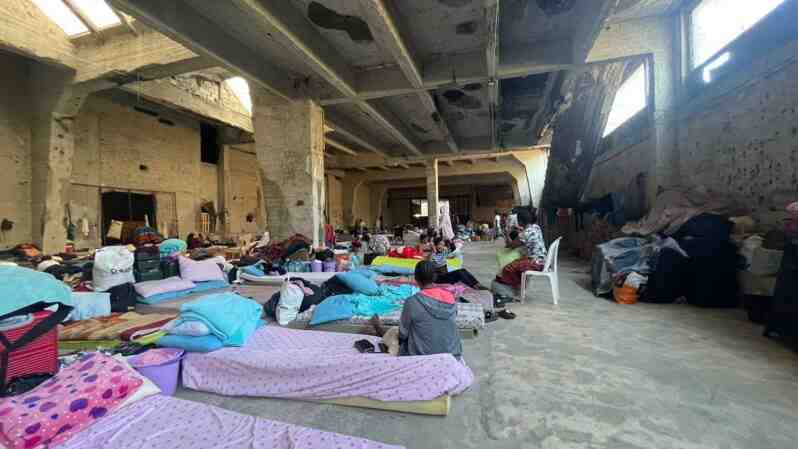
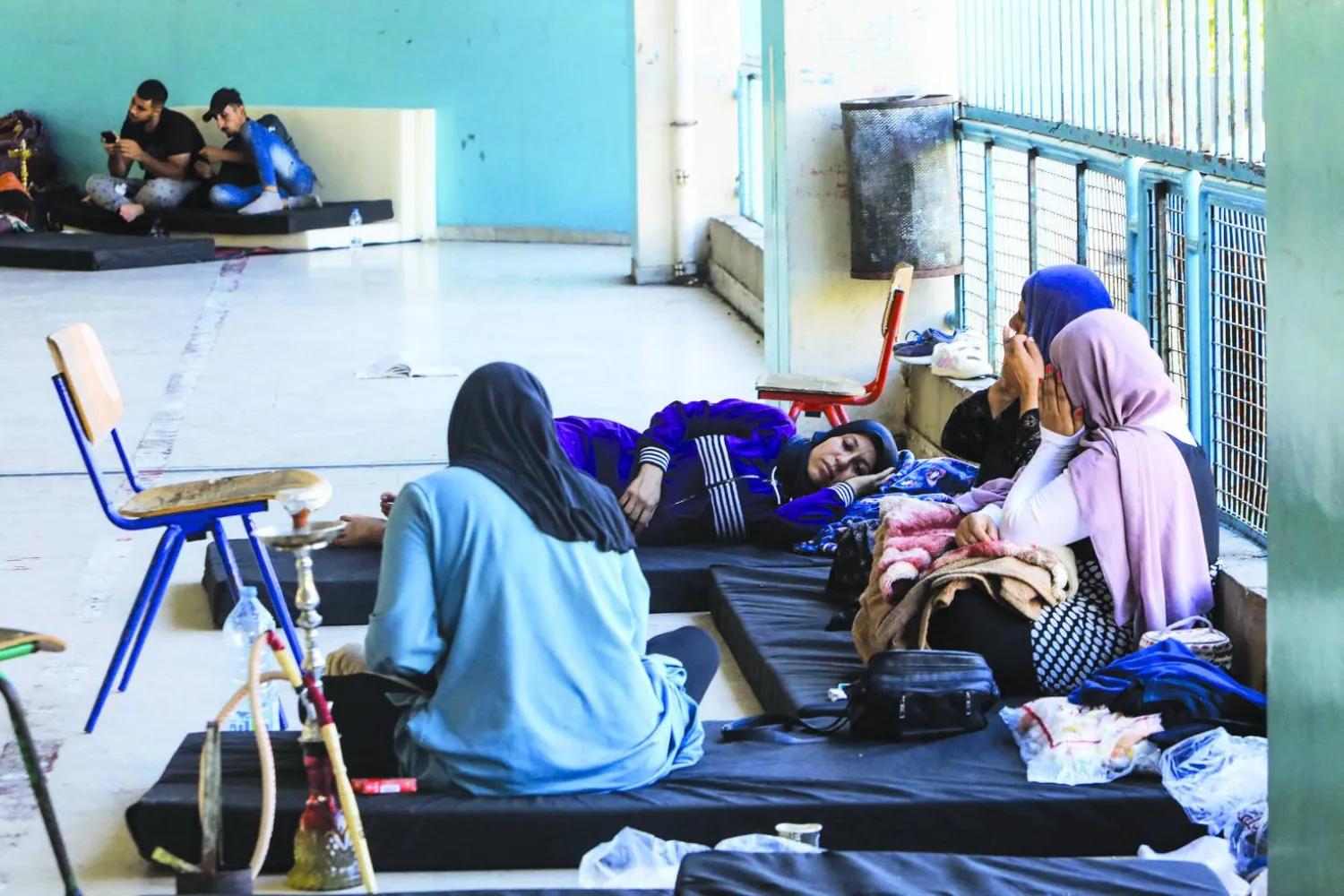
The surge in displacement has placed severe pressure on shelter capacity. According to the Government of Lebanon’s Disaster Risk Management Unit, 95,773 people are registered in official shelters, with 420 of 478 activated shelters already full. Shelters in Beirut were reported to be nearing maximum capacity as early as 3 March.
The rapid displacement and overcrowded living conditions are heightening protection risks for women and girls, including harassment, gender-based violence, exploitation, and family separation.
Overcrowded shelters often lack adequate sanitation, privacy, and essential hygiene supplies, including menstrual hygiene products, undermining safety, dignity, and mobility.
Women are often primarily responsible for securing shelter, caring for children and older relatives, and maintaining family unity under stressful conditions.
The escalation is also disrupting essential services that were already weakened by Lebanon’s prolonged economic crisis, including healthcare, water access, and education.
Households in conflict-affected areas had previously reported significant barriers: 12% faced unmet healthcare needs, 41% lacked sufficient water, and 26% could not afford education costs.
The repurposing of public schools as collective shelters and limited mobility are expected to further constrain access to these basic services, particularly for women and girls.
In response, UN Women has reprogrammed $1.5 million from existing resources to provide emergency support to an estimated 25,500 women and girls, while seeking an additional $4 million to reach 92,250 more.
The organization is providing protection services, cash assistance, emergency livelihoods, mental health and psychosocial support, and promoting women’s leadership in humanitarian response through partnerships with over 150 women-led organizations and a network of 500 women peacebuilders across the country.
Given the rapidly evolving situation, UN Women and other humanitarian actors warn that needs are likely to deepen, and urgent funding is critical to prevent further deterioration in the safety, health, and well-being of displaced populations, particularly women and girls.