



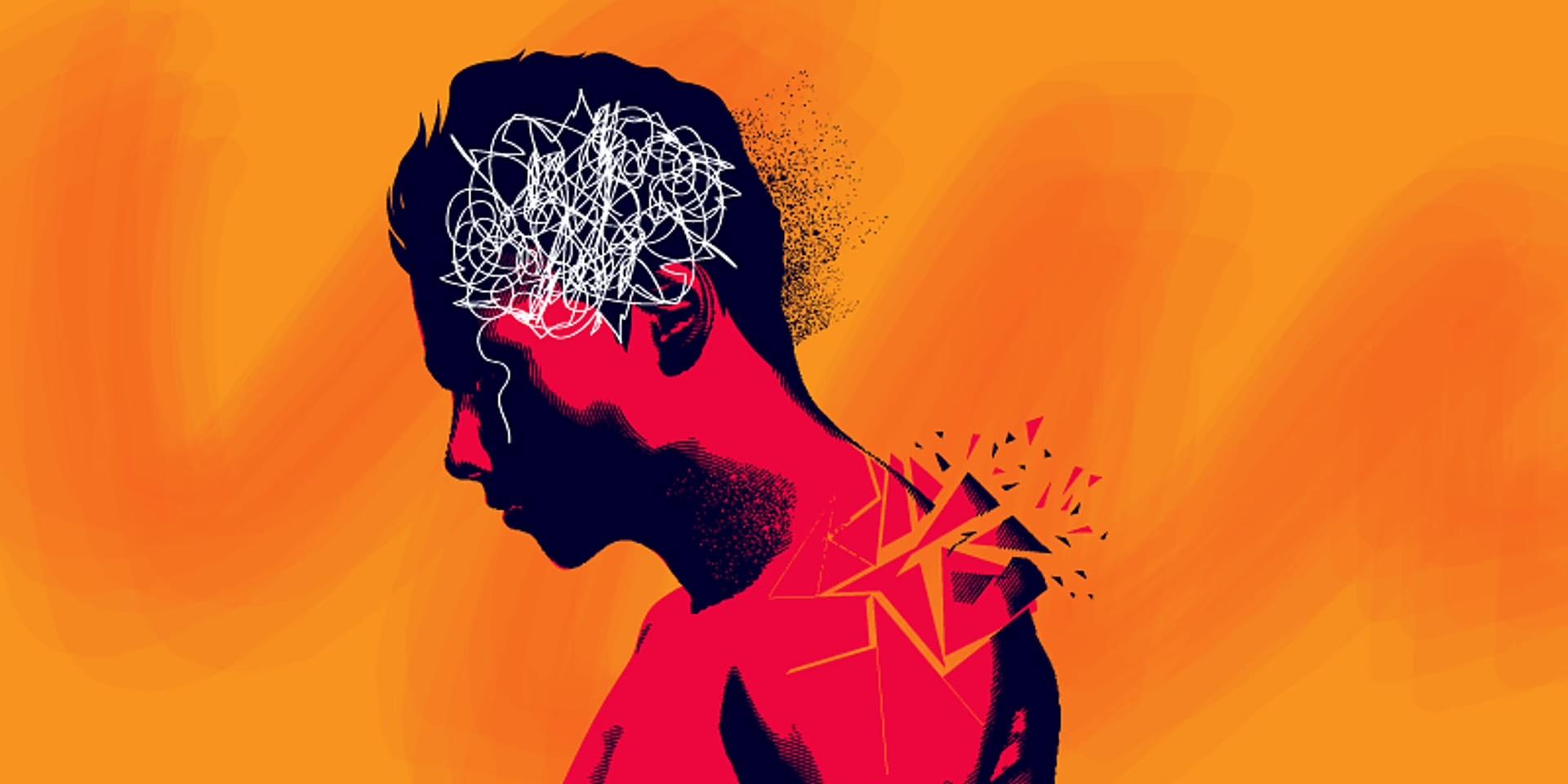
MIDDLE EAST — In times of regional instability, many people across the Middle East are facing heightened stress, anxiety, and uncertainty. While the situation remains difficult, mental health experts continue to stress the importance of practical steps that can help individuals manage distress.
In line with guidance from the World Health Organization in Lebanon and Lebanon’s National Mental Health Programme, several coping strategies may help reduce stress during periods of crisis, here are some tips that help in coping with stress.
1- Limit exposure to social media and news updates. Constant exposure to social media and news channels can be overwhelming especially with the wide-spread of misinformation and fear-mongering. It is advisable to reduce screen time and rely on credible sources for essential updates.
2- Maintain a daily routine. Simple and consistent activities such as walking, reading, or praying can help restore a sense of structure and stability during uncertain times.
3- Engage with your support system. During times like these, it is important to remember that you are not alone. Speaking with family members, friends, or other trusted individuals can help ease distress and reduce feelings of isolation.
4- Prioritize sleep, nutrition, and physical activity. Getting enough rest, eating balanced meals, and engaging in daily movement can support both mental and physical well-being.
5- Avoid harmful coping mechanisms. Smoking, alcohol, and other harmful substances may provide temporary relief but can worsen stress and lead to longer-term health consequences.
Support is also available for those experiencing severe emotional distress. The 1564 Lifeline, Lebanon’s national emotional support and suicide prevention hotline, remains available for individuals in need of immediate support.