LEBANON - Since March 2, 2026, Lebanon has witnessed a sharp escalation in attacks, particularly targeting Beirut’s Southern Suburbs, the Bekaa region, and South Lebanon.
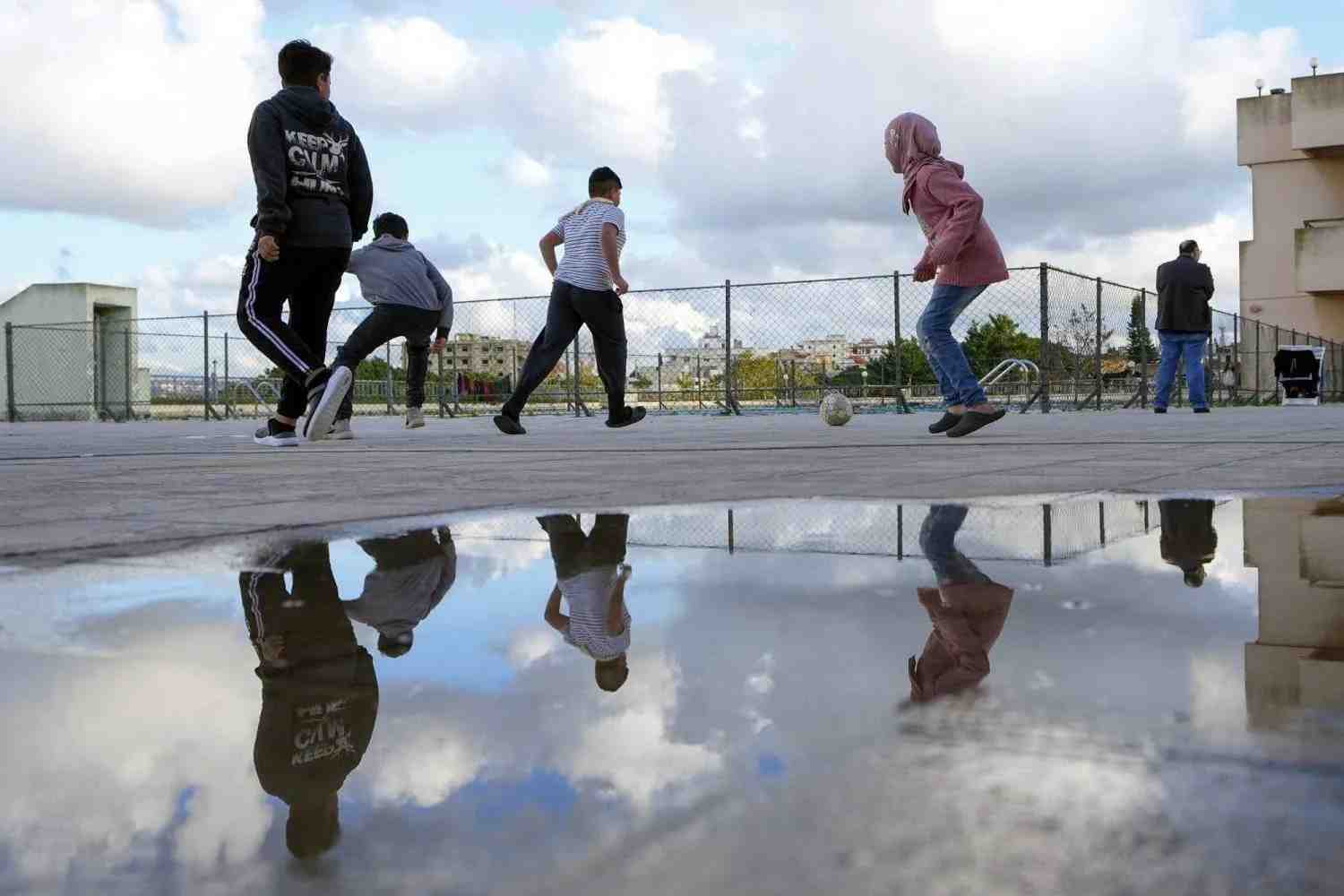
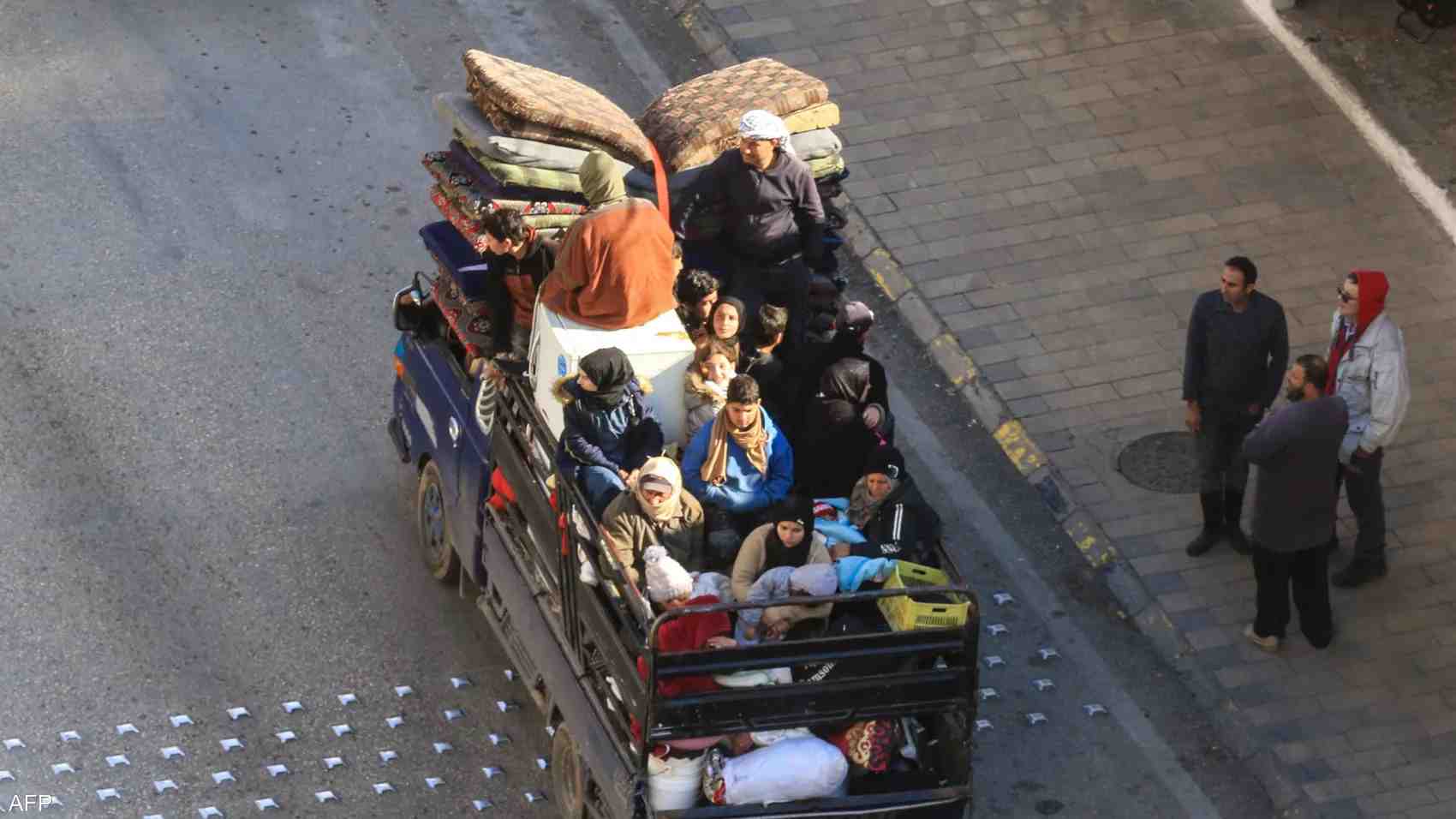
Evacuation orders have been issued across vast areas, affecting more than 8% of the country’s total territory and forcing over 800,000 people to flee their homes in search of safety.
Although the government moved quickly to open emergency shelters across the country, the scale of displacement has overwhelmed available capacity.
Today, around 90% of shelter centers are already full, leaving thousands of families with no option but to seek refuge on the streets, in unfinished buildings, or in public parking areas.
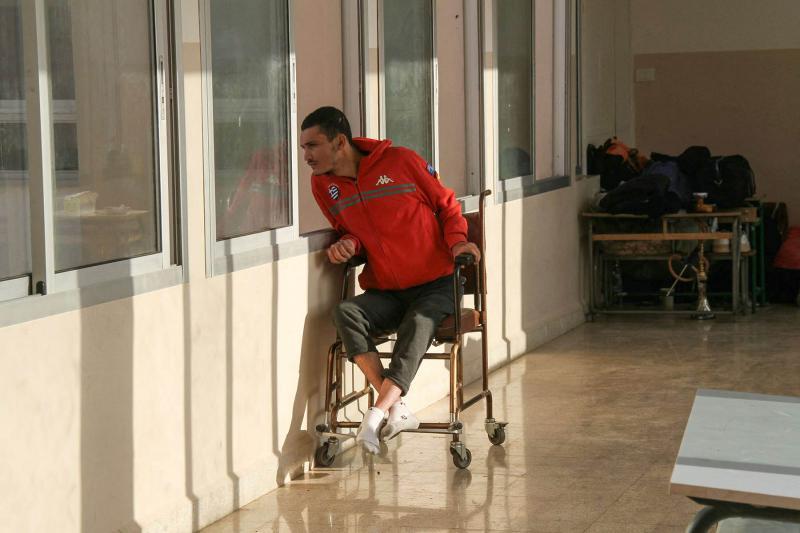
Displacement is rarely designed with accessibility in mind. For people with disabilities, fleeing conflict becomes an overwhelming challenge.
Inaccessible transportation, damaged roads, and the difficulty of bringing essential mobility aids, such as wheelchairs or walkers, make evacuation a complex and exhausting ordeal.
In the chaos of sudden displacement, individuals may struggle to move quickly, communicate their needs, or access reliable assistance. Those who depend on family members, neighbors, or caregivers are particularly vulnerable when families are separated or forced to leave under urgent conditions.
The Ministry of Social Affairs told Enameya that identifying the exact number of people with disabilities in shelters remains challenging, as new arrivals continue to reach these centers daily.
However, preliminary estimates suggest that more than 500 people with disabilities currently reside in shelters across the country.
In an exclusive interview with Enmaeya, Joe Rahhal, Advisor to the Governor of Beirut, explained that most shelters in Beirut and across Lebanon are not fully equipped to accommodate people with disabilities. Authorities, however, are taking steps to address these gaps.
Rahhal explained that the Ministry of Social Affairs is working to prepare a number of shelters specifically designed to meet the needs of displaced persons with disabilities. To understand the scale of support required, officials are conducting assessments and holding consultations with international organizations.
Several organizations are already stepping in to fill critical gaps. The International Committee of the Red Cross is providing assistive devices, prosthetics, and other essential equipment, while ARCENCIEL focuses on accessibility improvements in shelters, alongside medical support and therapies such as physiotherapy and psychomotor rehabilitation.
“Displacement and war leave a mental toll on anyone, and people with disabilities face particular challenges in finding safety and security,” Rahhal said. “We are working to alleviate this burden and provide basic necessities.”
Rahhal noted that he has met with UNHCR in Beirut to identify urgent needs and is planning further discussions with UN agencies and donor ambassadors to mobilize additional resources.
“We are constantly cooperating with organizations and authorities, under the guidance of the Governor, the Ministry of Social Affairs, the Ministry of Interior, the government, and the President, to ensure support reaches those most in need,” he added.
As the humanitarian crisis deepens, ensuring that shelters and emergency responses are inclusive and accessible has become an urgent priority, highlighting the need for targeted support for the thousands of people with disabilities.