LEBANON - As Lebanon continues to face conflict, the human cost is immediate and visible: lives lost, families displaced, and communities disrupted.
But beyond the visible destruction, the environmental consequences of war are quietly unfolding. Explosions, fires, and military materials damage not only buildings but also soil, water, and air, with effects that can persist long after the fighting ends.
Even before the current escalation, Lebanon struggled with water pollution, waste management challenges, declining agricultural land, and worsening air quality.
These losses go beyond property or crops; they threaten the natural systems that sustain livelihoods and communities.
So, what is at stake today?
Agricultural Land: Abandoned Fields and Toxic Residues
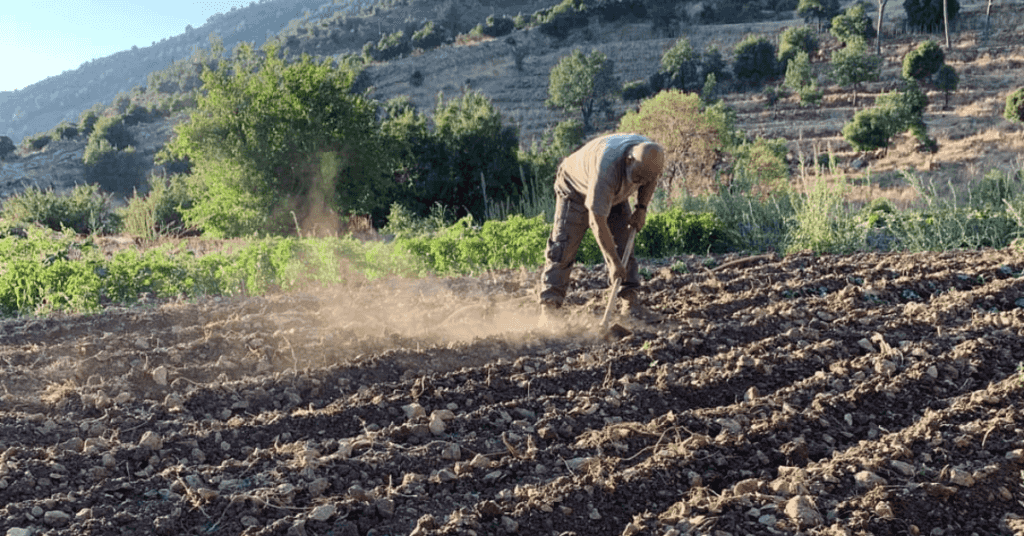
Across southern Lebanon, fields that once produced olives, avocados, and other crops now sit silent. Since the escalation of fighting in late 2023, shelling, fires, and explosive materials have damaged roughly 2,193 hectares of farmland, forests, and grazing land. In some of the hardest-hit districts, farmers say crop losses have exceeded 80 percent.
But the damage goes beyond what has been burned or destroyed. Many farmers have been forced to leave their land altogether, interrupting harvest seasons and leaving orchards untended. Fields that once supported entire families now stand empty — a loss that means less food production, fewer rural jobs, and shrinking incomes for already struggling communities.
The consequences are being felt across the country. According to the World Food Programme, about one in five people in Lebanon, around 1.17 million, are currently facing acute food insecurity, a situation made worse as agricultural production declines.
Another concern lies beneath the surface. Certain munitions used during the conflict leave behind chemical residues that can contaminate soil and vegetation.
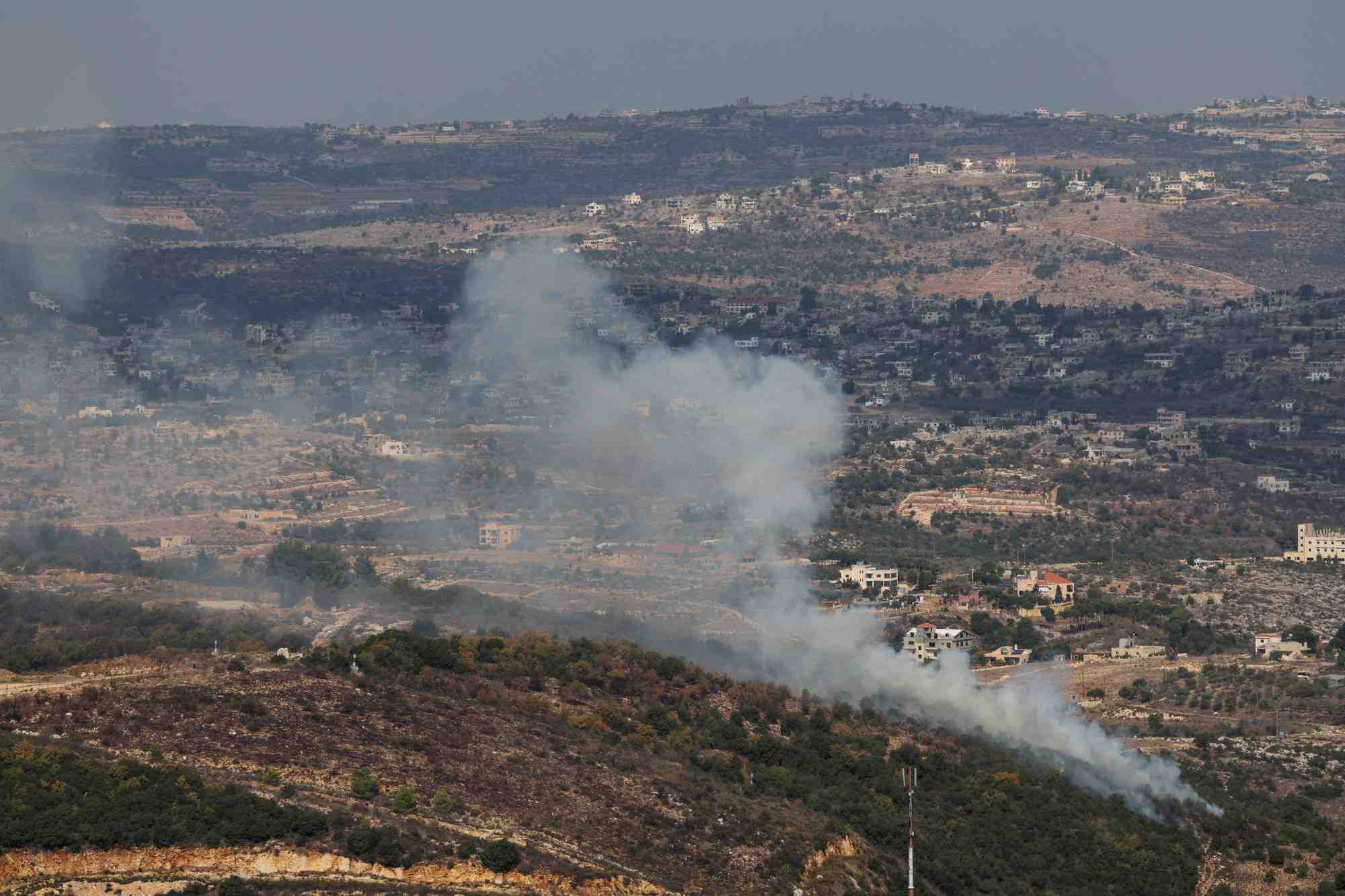
Among them is white phosphorus, an incendiary substance that ignites on contact with oxygen and burns at extremely high temperatures. When used over farmland or forests, it can spark fires and leave toxic traces in the soil.
Human Rights Watch has documented the continued use of white phosphorus during the current conflict. On March 3, 2026, the organization verified airbursts over residential areas in Yohmor that ignited homes and nearby farmland, a method of use that international humanitarian law prohibits.
Water: Contamination and Infrastructure Damage
Explosions, debris, and chemical residues from munitions can pollute rivers, streams, and groundwater, while direct damage to water infrastructure disrupts supply to communities.
According to the UNDP, at least 34 water facilities were damaged between October 2023 and mid-2025, affecting access for over 400,000 people.
Toxic runoff from fires and munitions contaminates water sources, threatening aquatic life and public health. Displaced communities relying on wells or rivers face long-term risks, and combined with damaged sanitation and population pressure, these effects amplify Lebanon’s environmental and humanitarian challenges.
Air: Pollution and Health Risks
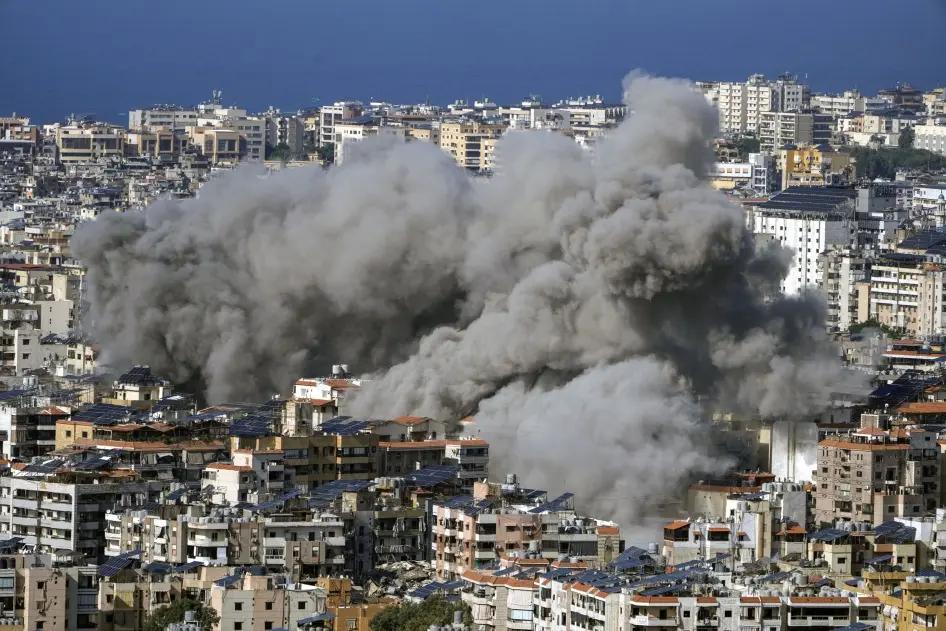
In Beirut and other urban centers, the air has grown heavier, tinged with the acrid smell of smoke from fires and shelling. Vegetation, homes, and fields that catch fire release clouds of fine particulate matter and chemical residues that drift across towns and valleys, settling on soil, water, and skin.
For families who have been displaced from their homes, the risks are immediate. Crowded shelters, combined with polluted air, expose people to respiratory problems and other long-term health concerns, including increased cancer risk.
What is often invisible, the chemical haze, the dust, the lingering smoke, quietly compounds the hardships of war, a persistent danger that follows people wherever they go.
Rubble, Debris, and Population Pressure
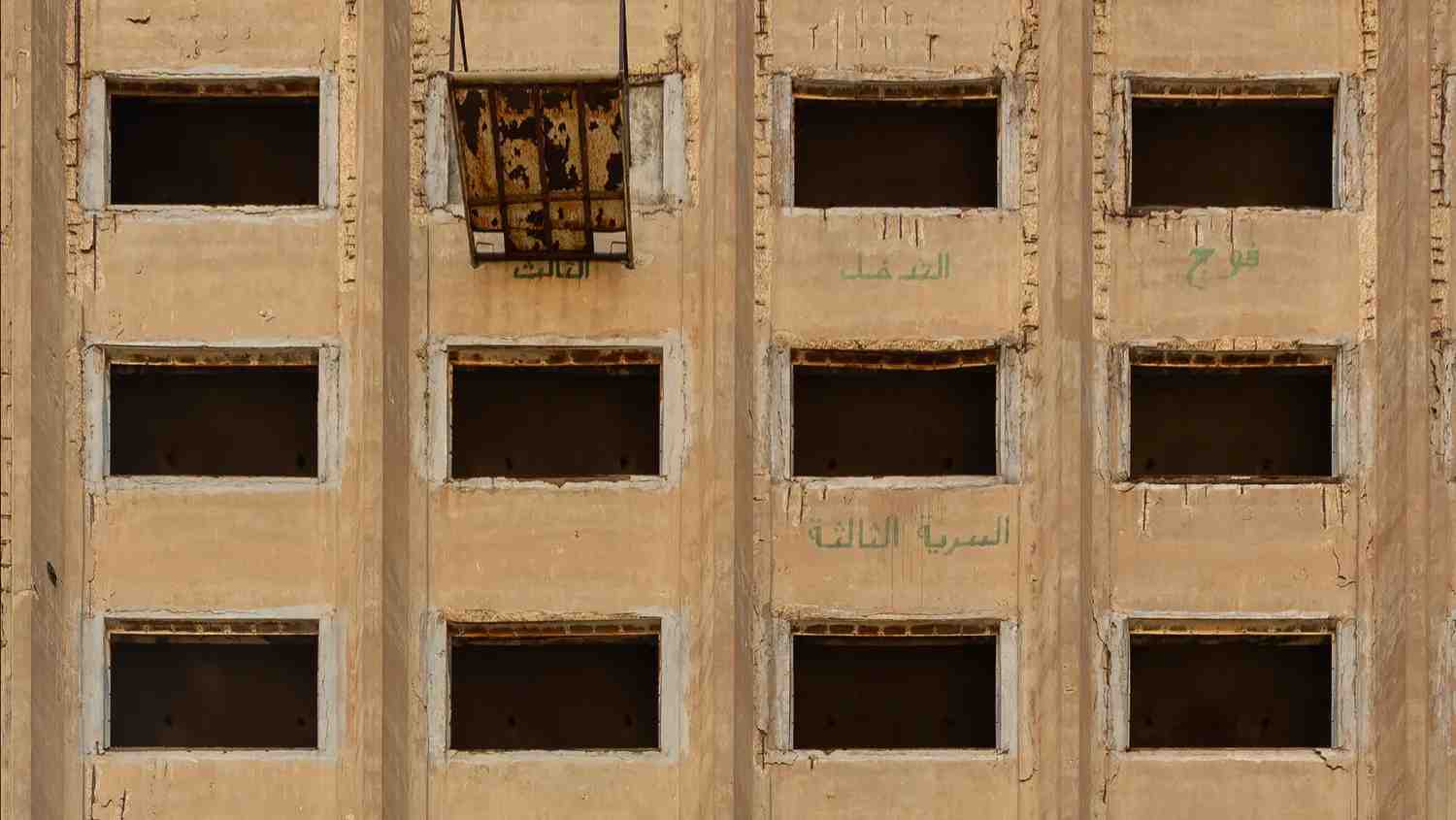
Rubble piles up across towns and villages, the remnants of homes, schools, and roads reduced to dust and broken concrete. Buried in this debris are dangerous substances, asbestos, heavy metals, and plastics, seeping slowly into the soil and water, creating hidden hazards that will linger long after the fighting ends.
Since late 2023, conflicts have generated millions of cubic meters of rubble, according to UNDP and local authorities. Lebanon’s fragile waste management system is struggling to cope, turning cleanup into an enormous, ongoing challenge.
Displaced families living in crowded settlements feel the impact daily. Strained water and sanitation systems, combined with nearby debris and contamination, heighten pollution risks and threaten public health.
The environmental damage of war is not just immediate; it is long-term, complex, and intimately tied to the well-being and stability of communities.
Looking Ahead: The Long Road to Recovery
The environmental consequences of war in Lebanon, from damaged agricultural land and contaminated water to polluted air and hazardous rubble, are silent, long-term, and often irreversible.
Unlike buildings that can be rebuilt, ecosystems take years or decades to recover, and contaminated soil, water, and air can affect food security, health, and livelihoods for generations.
In a country already facing environmental and economic pressures, the path to recovery will require not only peace but careful, sustained rehabilitation efforts.