



LEBANON — There has been little breathing room for Lebanon's economy.
The country entered one of the worst economic crises in the world after nearly a decade of compounding shocks, including the 2019 financial collapse, COVID-19 pandemic, the 2020 Beirut port explosion, and the 2024 war.
Recent reports had pointed to a fragile recovery, with inflation easing and GDP growth projected at 4–6%, but just as faint signs of recovery started to show, war broke out again and put these prospects out of reach.
Despite the current government's efforts over the last year to slightly reform, the latest military escalation has delayed critical reform momentum.
The Economic Weight of the 2024 War
The 2024 war marked a turning point in Lebanon’s economic trajectory.
According to the World Bank, total damages and losses reached around $14 billion, equivalent to roughly $225 million per day.
The destruction was highly concentrated across key sectors:
Housing alone accounted for 67% of total damage, with losses running into billions and reconstruction expected to be slow and capital-intensive. The total damage was estimated at USD 2.8 billion and losses of USD 389 million.
Commerce and agriculture were heavily hit, with over $1.7 billion and $1.1 billion in losses respectively. Around 12,000 hectares of agricultural land were abandoned, disrupting both livelihoods and food systems.
Tourism, a sector contributing up to 20% of GDP, collapsed almost overnight, with travel activity dropping by more than 80%.
Health and education systems also absorbed significant shocks, further weakening already fragile public services. The damage in the health sector was reported to be USD 74 million and losses of USD 338 million. The education losses were estimated at USD 215 million.
Small and medium-sized enterprises, the backbone of the Lebanese economy, suffered estimated losses exceeding $1–2 billion, with many businesses unable to recover.
At the macroeconomic level, the effects were immediate. Growth projections shifted negative, investment fell due to weak credit conditions, trade slowed, and confidence deteriorated as a result of increased uncertainty, fear of economic instability, and rising costs, all of which cause households to become more pessimistic about their future.
The 2026 War: What Humanitarian Reports Are Telling Us
Unlike 2024, the 2026 war is still unfolding, and full economic loss estimates are not yet available.
A recent scenario analysis by Mercy Corps indicates that Lebanon entered the current escalation already carrying $6.8 billion in damages and $7.2 billion in economic losses from the previous war.
Emergency funding appeals further highlight the pressure on systems and services:
The UN Office for the Coordination of Humanitarian Affairs (OCHA) has requested $308.3 million to support around 1 million people out of an estimated 1.3 million affected within just three months.
The health sector is already under strain. According to the World Health Organization (WHO), 48 primary healthcare centers and 5 hospitals have shut down, while broader regional health response funding remains about 70% underfunded.
Displacement response is also scaling rapidly. The International Organization for Migration (IOM) has launched a $23 million appeal for immediate needs, while the United Nations Population Fund (UNFPA) is seeking $12 million to support 225,000 people over a three-month period.
While these figures are not direct economic loss estimates, they are early indicators of the scale of disruption across infrastructure, services, and livelihoods.
Outlook and Challenges Ahead
The impact of the 2026 war on Lebanon's economy is already being felt.
Small and medium-sized businesses are among the hardest hit. By the first quarter of 2026, approximately 30% had permanently closed, struggling with dollarized costs and declining demand, as reported by Asharq Al-Awsat.
Businesses that remain active are adapting by cutting wages, reducing working hours, and carefully managing cash flow on a daily basis.
Unemployment has risen from 46% to 48%, largely due to business closures and the challenges faced by productive sectors in managing increasing costs.
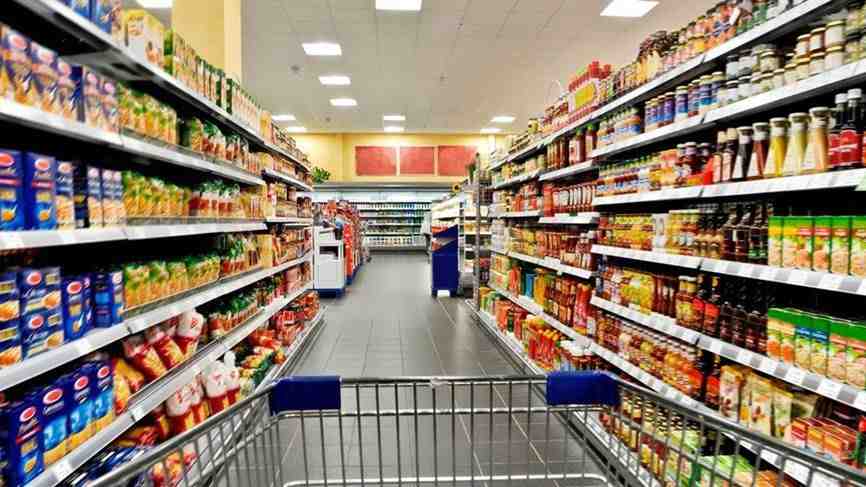
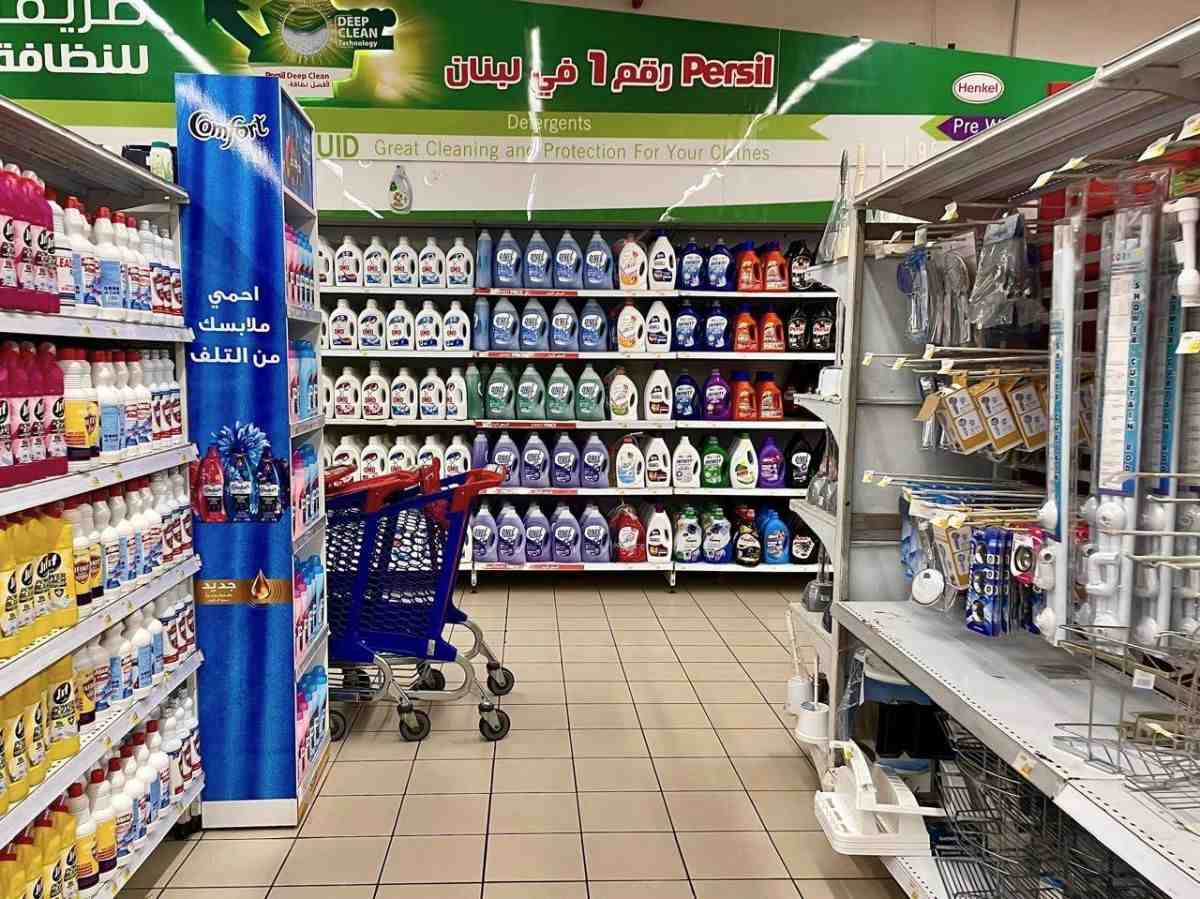
Commercial activity has decreased by about 50%, with sales of non-essential goods declining by 60% to 80%, indicating a significant drop in purchasing power, as reported by An-Nahar.
Industrial activity has decreased by nearly 50%, with factories pausing operations and exports facing disruptions. Agriculture has decreased by about 40%.
The services sector, a key pillar of the economy, has declined by 40% to 50%. Tourism-related activity has nearly collapsed, with hotel occupancy rates at just 10% to 15%.
Tourism activity has significantly declined, with hotel occupancy rates at only 10% to 15%. According to An-Nahar, restaurant activity has decreased by 90%, while travel agencies and car rentals have experienced declines of up to 80% and 95%, respectively.
Even real estate has been affected, with supply and demand both down by around 90%.
At the same time, fuel prices are increasing. Diesel prices rose by 42% and gasoline by 17% in just ten days, with generator tariffs expected to rise by 35%, putting additional strain on already fragile energy access, affecting both businesses and households.
Inflation is expected to rise by an additional 2% to 4% in the coming three months.
The Lebanese pound has remained stable, backed by dollar reserves and careful liquidity management. However, slowing economic activity and increasing costs are putting pressure on the exchange rate, leading to concerns about its sustainability.
These indicators reflect a deepening recession, influenced by physical destruction, falling demand, rising costs, and underlying structural vulnerabilities and humanitarian crises.
The economic cost of war is rising, even if it hasn't been fully priced yet.
Lebanon is entering this phase with weakened institutions and an economy already operating below capacity. Its resilience, and how much more shock it can absorb, is now being tested. This is no longer a temporary crisis, but a shift toward a deeper and more prolonged contraction.