

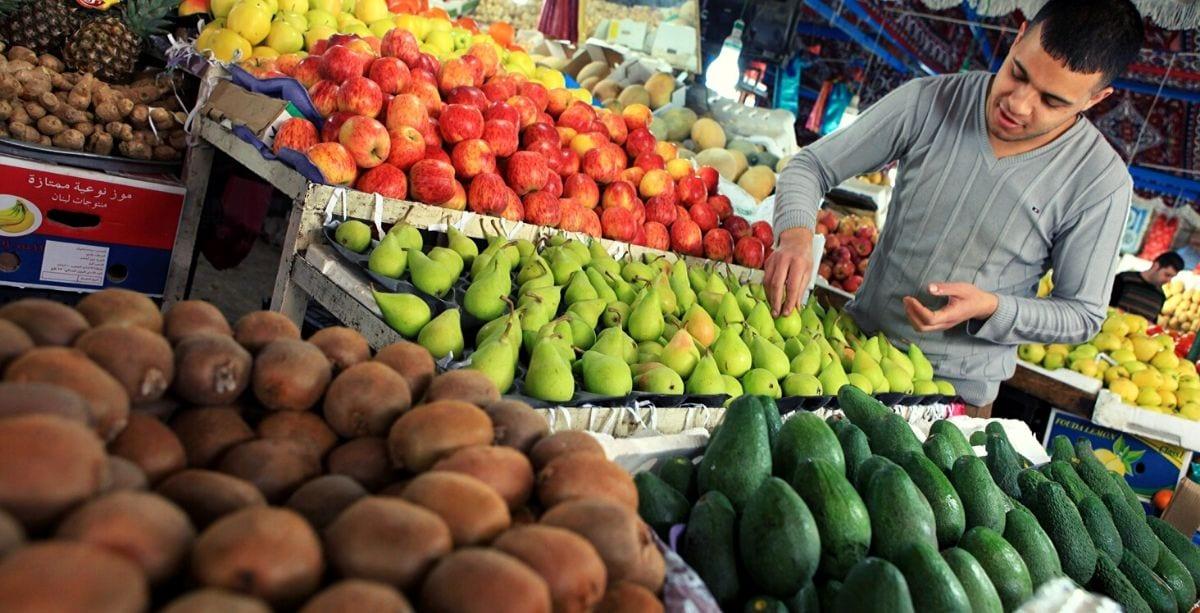
LEBANON - Lebanon’s Agriculture Minister Nizar Hani said the country’s food markets have largely stabilized after initial disruptions caused by the ongoing war, citing emergency measures and rising local production.
Speaking on Radio Lebanon, Minister Hani said prices and supply chains began to recover this week following early volatility.
He attributed the improvement to government actions, including extending import deadlines until April 2 and easing inspection and quarantine procedures to facilitate the entry of goods.
Domestic agricultural production is also increasing, particularly greenhouse crops, helping ease supply pressure.
Minister Hani praised farmers, especially in southern Lebanon, for maintaining production under difficult conditions. He warned, however, that damage to infrastructure, particularly destroyed bridges, poses a serious threat to supply chains.
Southern regions, including Nabatieh, account for around 20% of Lebanon’s agricultural output, producing the majority of citrus and banana crops, in addition to livestock.
The minister revealed that approximately 82% of farmers south of the Litani River have abandoned their lands due to insecurity, relocating to safer areas.
Efforts have been coordinated with the Lebanese Army and UNIFIL to relocate livestock and allow farmers limited access to tend to animals and beekeeping operations.
Losses have been significant, including the death of 90,000 chickens for the second time in two consecutive years. Despite the damage, Hani said coastal agricultural zones remain partially operational, with produce still reaching markets.
He added that while prices are influenced by regional trends, increased local production is expected to drive down vegetable prices in the coming days.