LEBANON —In 2025, Lebanon’s rainfall was around 45% below average, plunging the country into one of its worst droughts in the last 60 years.
This caused unprecedented stress on water resources as reserves and groundwater reached critically low levels, public water systems are failing, and communities are relying on unsafe water resources. This coupled with mass displacement of populations and weakening infrastructure due to political conflict has created ideal conditions for the spread of waterborne diseases.
What Are Waterborne Diseases?
Waterborne diseases are diseases that are caused by pathogenic microorganisms (bacteria, virus or protozoa) transmitted by contaminated water. They are primarily spread by drinking, bathing, washing or eating food by water washed in or contaminated by water. Examples include Cholera, Hepatitis A and Typhoid Fever.
Lebanon’s Growing Burden
Lebanon has long been struggling with increasing cases of waterborne diseases. Most notably the Cholera outbreak in 2022 cholera which resulted in the death of 23 individuals out of 671 laboratory-confirmed cases.
In 2025, the Ministry of Public Health reported 1,379 cases of Hepatitis A and 42 cases of typhoid fever. Underlying factors such as limited and weak Water, Sanitation and Hygiene (WASH) infrastructure, widespread pollution of natural water resources and inability to purchase clean water all contribute to the emergence or spread of diseases.
According to UNICEF, more than 71% of people in Lebanon are now living with “critical” or “highly critical” levels of water vulnerability, meaning they face serious risk of harm from changes in quantity, accessibility and availability of water.
A further concern is the widespread illegal use of contaminated sewage water in agriculture, which has been linked to food poisoning and a rise in antimicrobial resistance. Specifically, the presence of multi-drug resistant E. coli in irrigation water posing risks to crops, consumers, and the broader ecosystem.
The Situation Today
As of March 2026, Lebanon is again in the midst of a violent war.
Large numbers of displaced citizens are sheltering in overcrowded facilities with limited WASH capacity , coupled with the destruction of water infrastructure and the expected disruption of water supplies in affected areas like South Lebanon, Nabatiyeh and Tyre are contributing to a rise in waterborne disease cases and incidents of severe diarrhea.
These health risks are especially alarming for young children, the elderly, and immuno-compromised individuals.
What is Being Done?
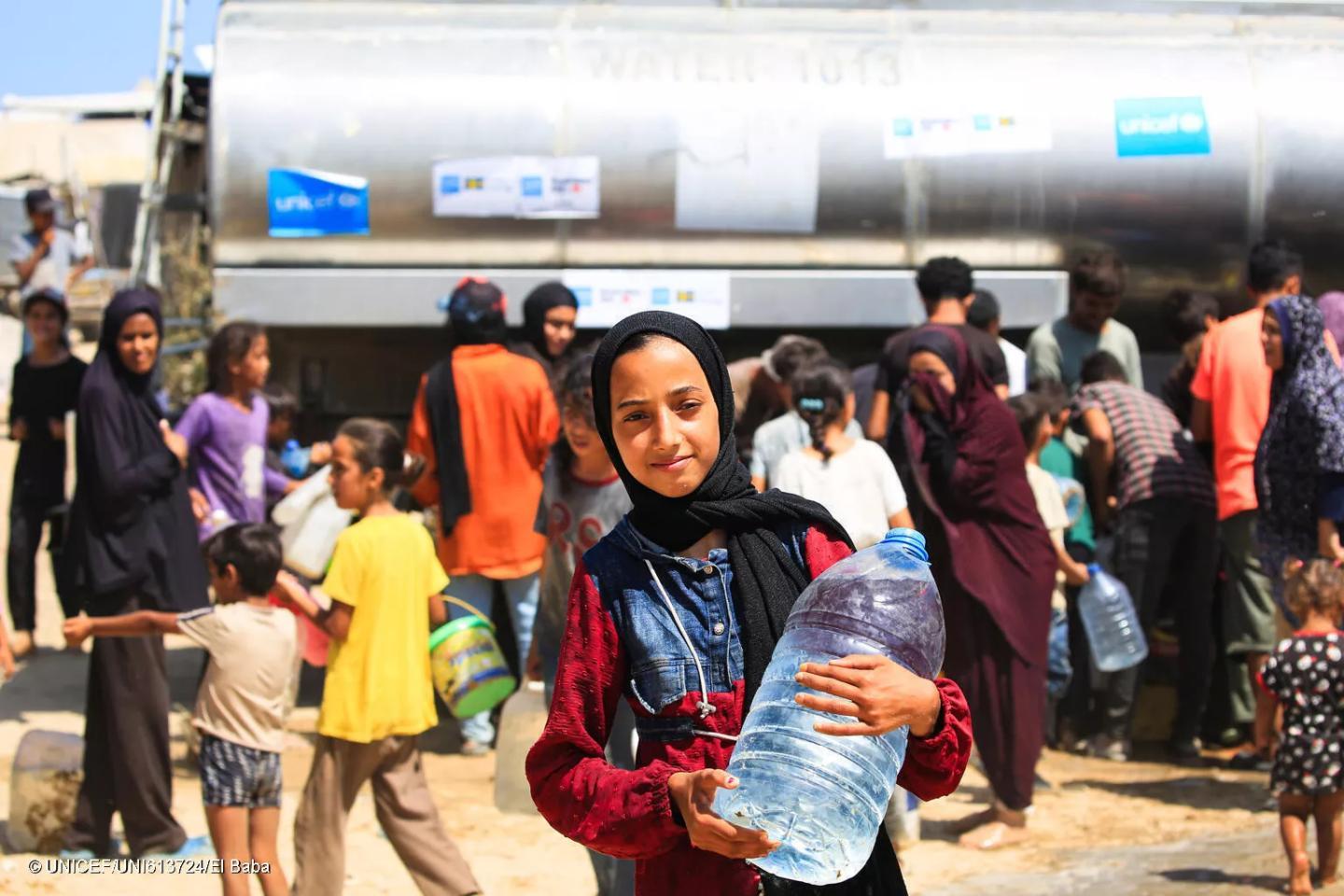
Despite the severity of the situation, efforts are underway to address the growing health risks. UNICEF'S emergency response team has been supporting WASH services at the Sports City shelter in Beirut, distributing 66 center-cleaning kits to support safe shelter operations, supplying 560 cubic meters of water through trucking, and conducting WASH behavior change sessions for more than 11650 displaced people.
In 2025, a Waterborne Disease Risk Map was developed, integrating drought vulnerability with population, water access, surveillance, and sanitation indicators, designed to shift Lebanon from reactive outbreak response to proactive prevention. Alongside this initiative, the Ministry of Public Health in collaboration with municipalities, hospitals, and international bodies including WHO Lebanon and the International Organization for Migration has launched several emergency surveillance and response mechanisms.
As humanitarian aid continues to enter Lebanon, prioritizing access to clean running water, installing WASH services in all shelters, ensuring food safety and maintaining close surveillance for infectious diseases remain essential.
The path forward requires not only immediate relief, but sustained investment in the infrastructure and systems that protect public health in the long term.