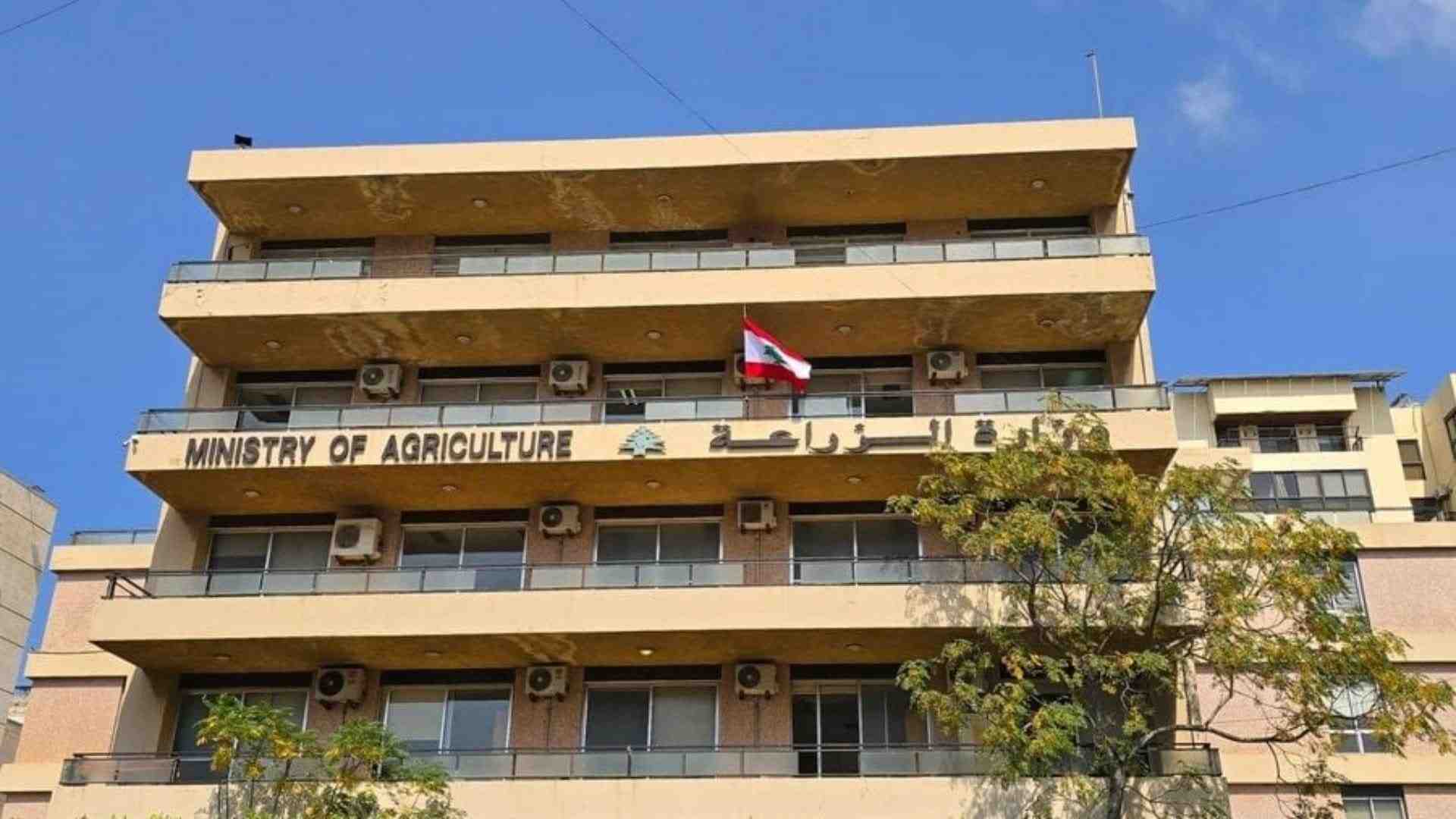




LEBANON – The Ministry of Agriculture, in its first weekly report, revealed unprecedented damage to the agricultural sector, with approximately 46,479 hectares of farmland affected, equivalent to 22% of the country’s total cultivated areas.
The damage is a result of ongoing attacks, signaling increasing pressures that threaten national food security.
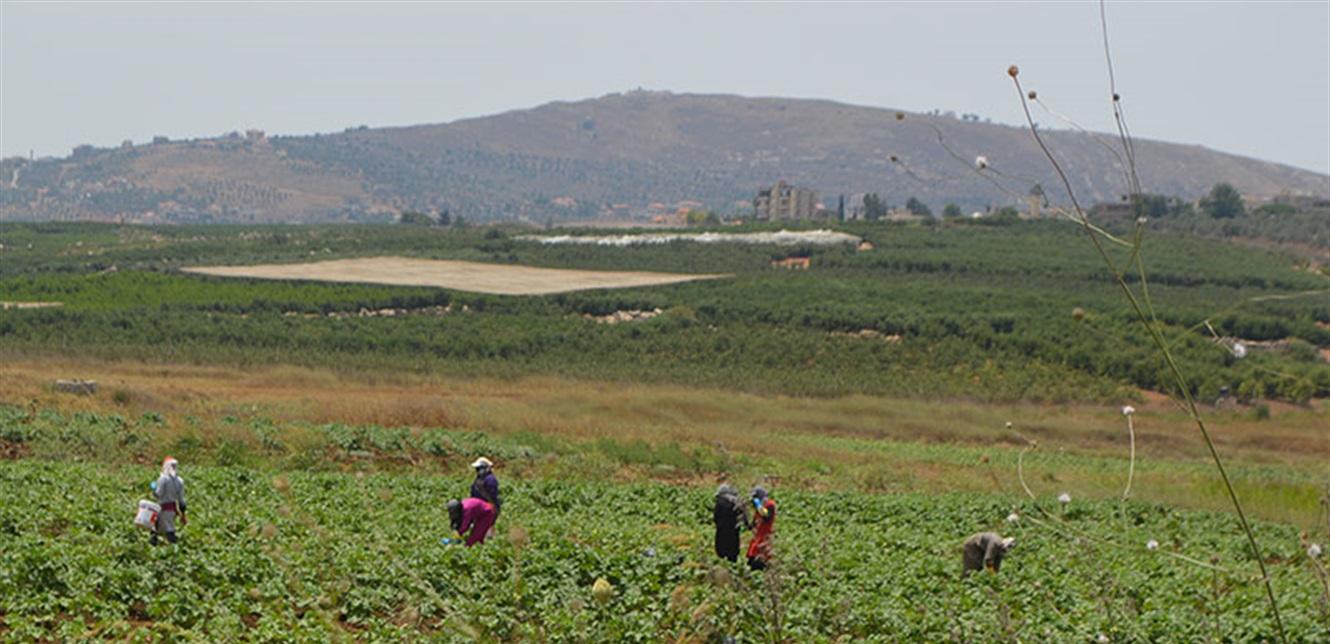
Data shows that the majority of the damage occurred in the southern and Nabatieh governorates, which are among Lebanon’s key agricultural regions.
The affected areas in these two regions amounted to 44,297 hectares, compared to only 2,181 hectares in other regions, reflecting the concentration of the crisis at the heart of national agricultural production.
The damage affected various types of agriculture, including fruit and olive trees, as well as protected crops (greenhouses), in addition to small- and medium-sized farms, which are the most vulnerable to crises.
According to a needs assessment form that covered 15,025 farmers in the affected areas, 76.6% of farmers were forced to flee their regions, leaving only 23.4% in their towns. The results also showed that 48% of agricultural holdings are located in the affected southern areas.
Experts warn that this large-scale displacement poses a direct threat to the continuity of production and increases the likelihood of declining food security in the country, given the disruption of the agricultural cycle and loss of labor.
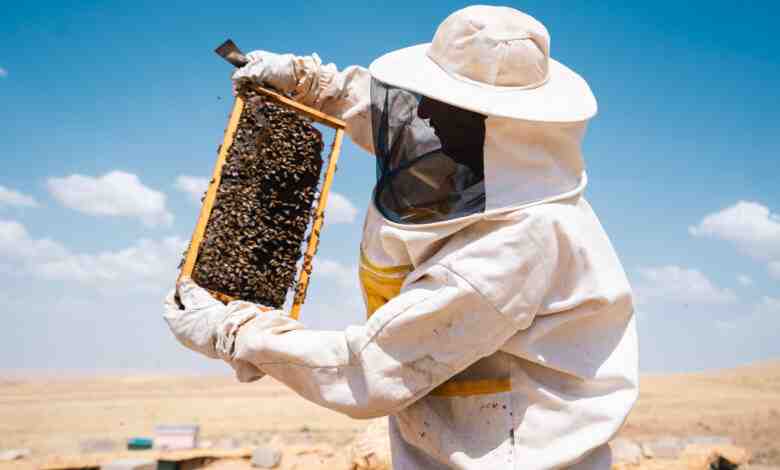
The repercussions are not limited to crops but extend to livestock, with high mortality rates recorded: 49% in beehives and 39% in fish, along with varying losses in cattle, sheep, and poultry.
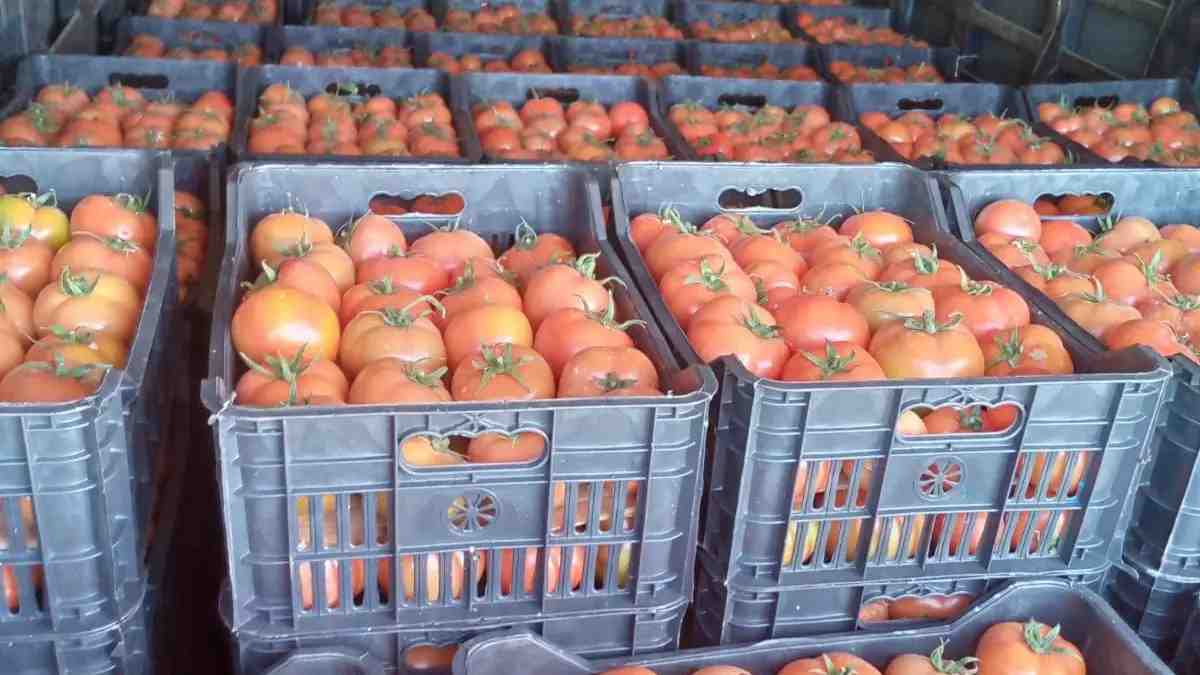
These indicators point to serious implications for food supply chains, especially since the local market relies on these resources as key components of food security.
The report outlined a set of urgent needs, including immediate financial assistance, provision of irrigation water and fuel, supply of animal feed and veterinary care, support for transporting production to safe areas, and provision of agricultural equipment and medicines to ensure minimum continuity.
In parallel, the Ministry of Agriculture announced the launch of a response plan based on several key pillars, including direct support to farmers, protection of livestock, ensuring continuity of food supply chains, supporting markets and enhancing price monitoring, and intensifying coordination with relevant authorities to continuously assess needs.
The Ministry also implemented a series of urgent measures, including support for 1,512 farmers, assistance to around 2,000 families in shelters, and relocation of 820 beehives to safe areas in cooperation with the Lebanese Army.
Other interventions included expediting administrative procedures, supporting the marketing of agricultural products, facilitating the import of essential materials, and enhancing market oversight to prevent price manipulation.
Analyses indicate that the current crisis goes beyond an emergency framework, revealing the fragility of the agricultural infrastructure in the face of shocks and highlighting the strong link between conflicts and deteriorating food security. The ongoing displacement and damage to livestock may have long-term effects on the agricultural economy, reducing national production capacity.
In light of these findings, the report called for increased direct financial support for farmers, rehabilitation of affected lands with a focus on smallholders, improved water resource management, and support for local production as a strategic option to strengthen food security.
The report concluded by noting that Lebanon’s agricultural sector is facing one of its most critical phases, where field losses intersect with economic and social challenges, necessitating a comprehensive and rapid national response to ensure production continuity and protect food security during this highly sensitive period.