



LEBANON — Lebanon’s Ministry of Public Health launched its emergency response plan to address the growing health crisis caused by the ongoing war.
Minister Dr. Rakkan Nassereddine outlined the plan’s five key pillars, emphasizing hospital readiness, health workforce capacity, operational coordination, and support for displaced populations.
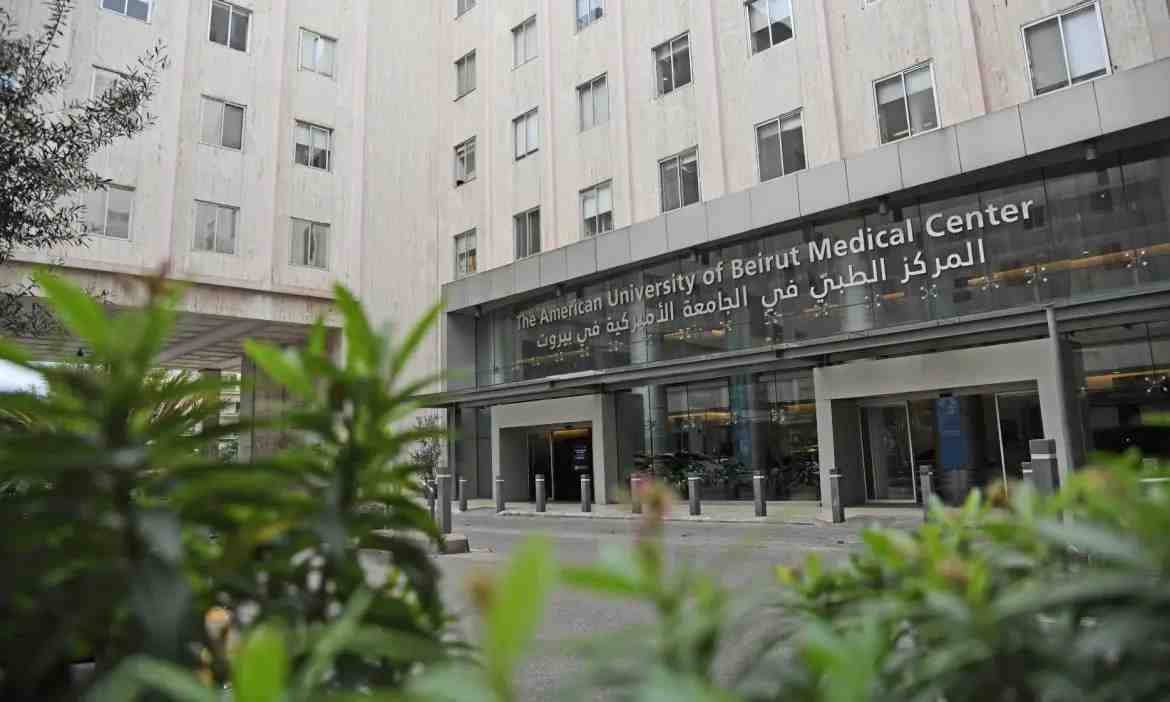
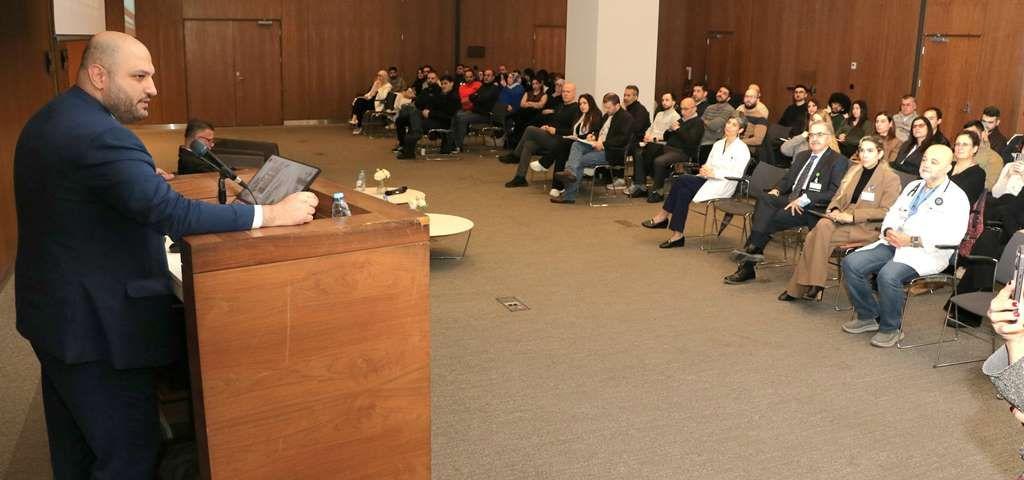
The announcement came during the conference “Hospital Readiness for Emergencies During War and Armed Conflicts,” organized by the American University of Beirut’s Department of Emergency Medicine with support from the Lebanese Society of Emergency Medicine (LESEM) and the Order of Nurses in Lebanon.
In his address, Nassereddine stressed that “the ministry has intensified efforts to enhance hospital emergency preparedness as part of a broader national plan to strengthen the resilience of the health system. Focus has been placed on building the capacities, systems, and partnerships necessary for proactive emergency response.”
The plan’s first pillar ensures the availability of essential medicines, emergency equipment, and medical supplies, anticipating disruptions in supply chains and growing demands.
Efforts include distributing critical drugs, surgical materials, ICU and dialysis equipment, and life-saving resources for mass casualty care.
The second pillar targets strengthening health workforce readiness through specialized training in injury care, triage, mass casualty management, infection control, and emergency coordination. Practical drills and simulations have been conducted to reinforce these skills.
Third, the ministry has mobilized medical emergency teams in collaboration with national and international partners to respond to the rise in patient numbers, expanding hospital capacities, and ensuring life-saving care under extreme pressure.
Fourth, the plan emphasizes coordinated patient referral systems and communication channels to prevent response fragmentation.
The Public Health Emergency Operations Center (PHEOC) plays a central role in linking field monitoring, information sharing, and resource mobilization.
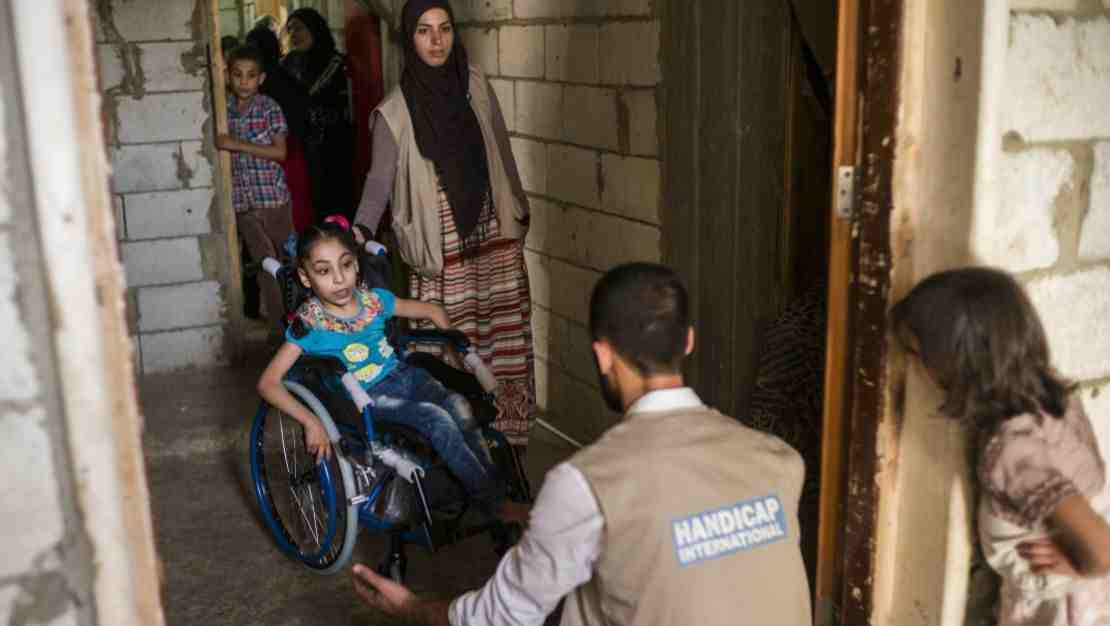
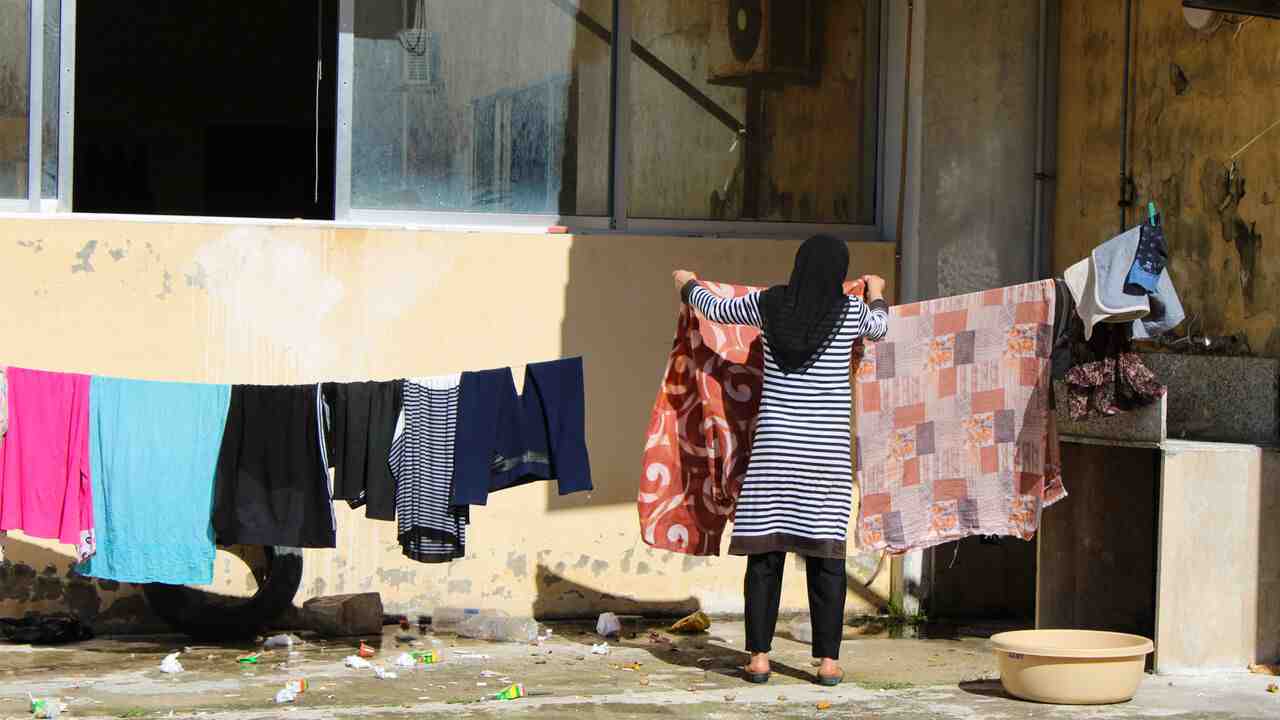
Finally, the ministry is working to cover essential care costs for war-injured individuals and displaced families, reducing the financial burden and ensuring access to emergency and hospital care for the most vulnerable.
Despite these efforts, Nassereddine acknowledged ongoing challenges, including attacks on health facilities, damaged infrastructure, and threats to healthcare workers.