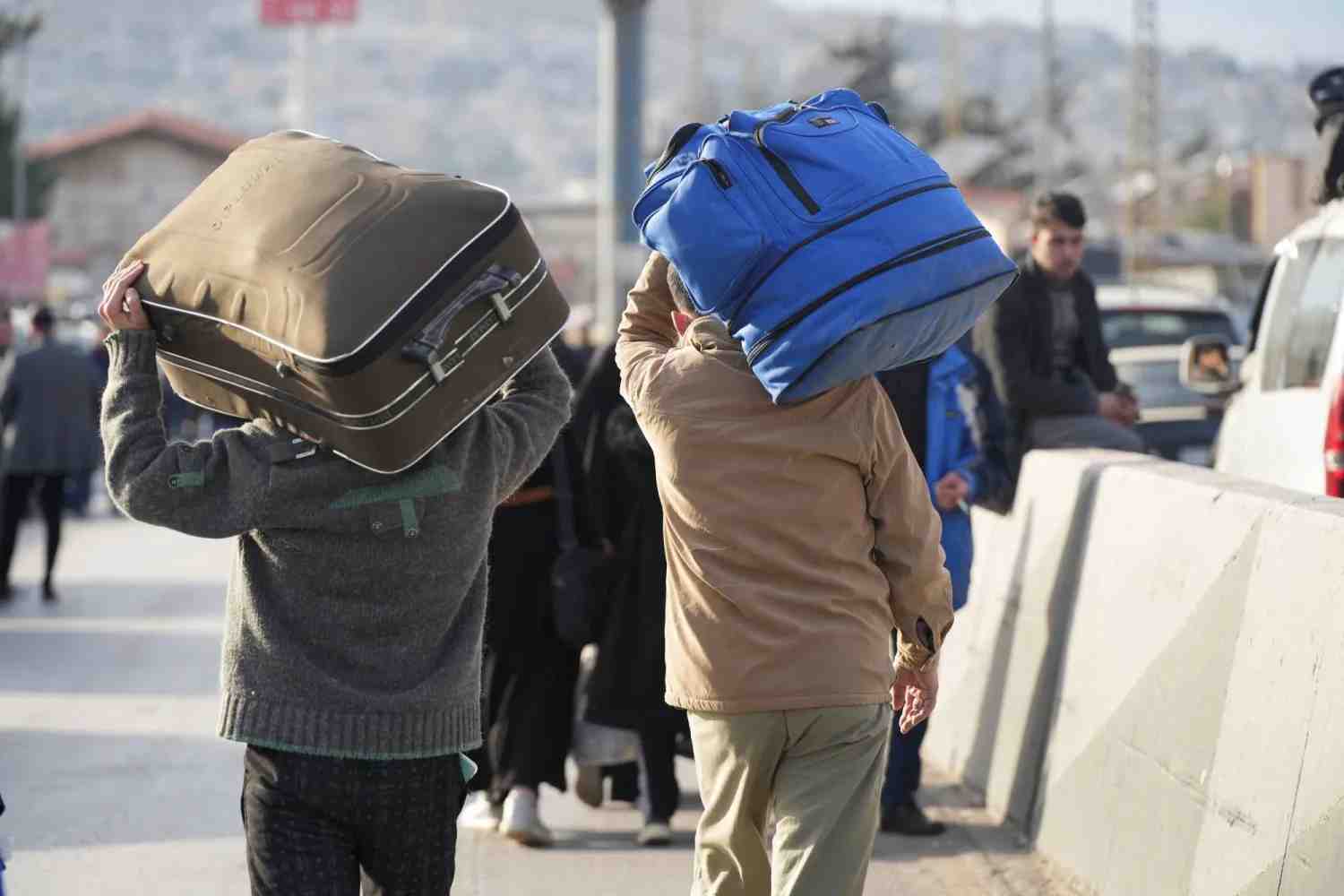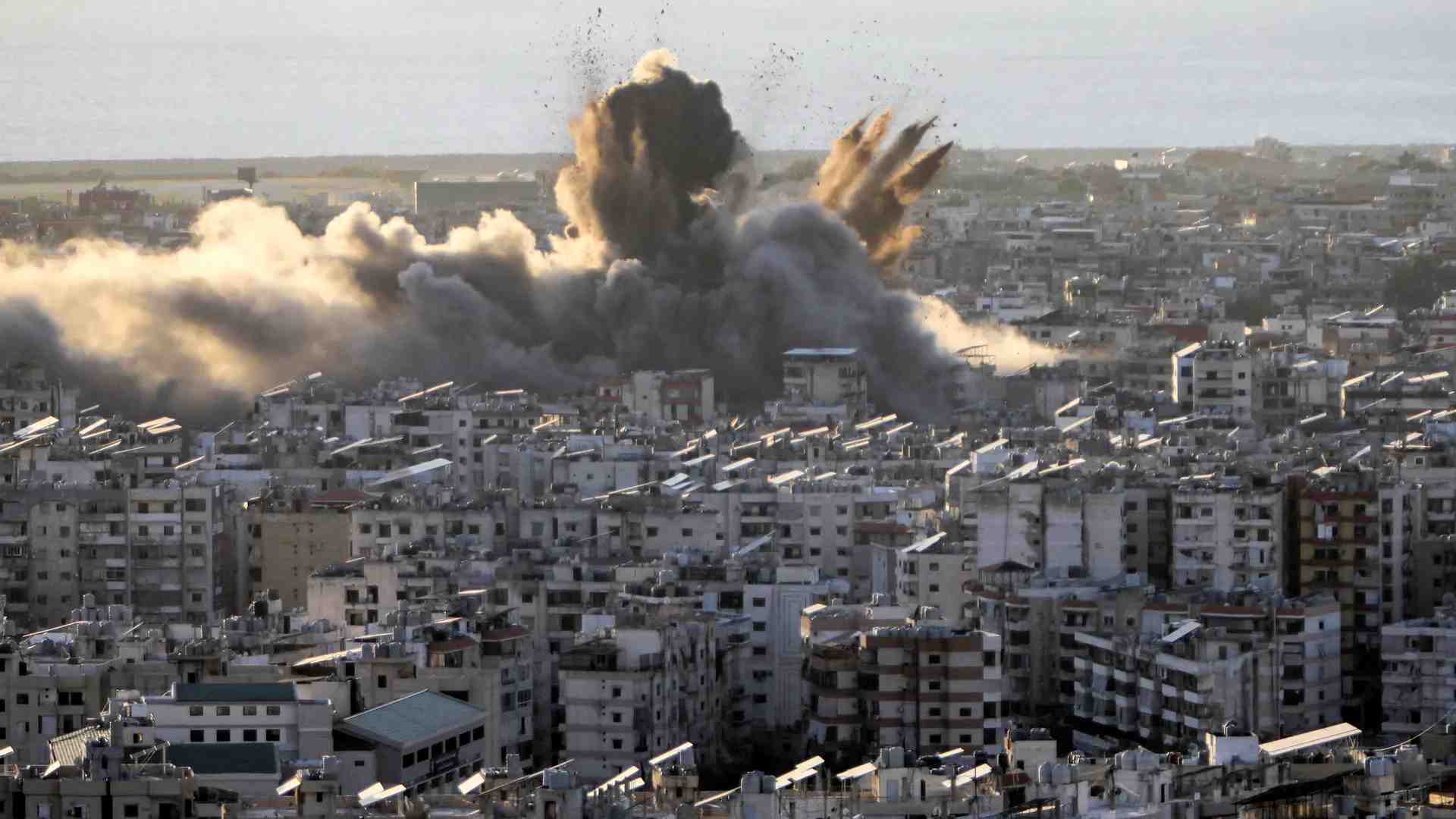
LEBANON - As conflict escalates across Lebanon in March 2026, humanitarian agencies warn that the crisis is having a disproportionate impact on women and girls, particularly those living in overcrowded displacement shelters where access to health services and privacy is limited.
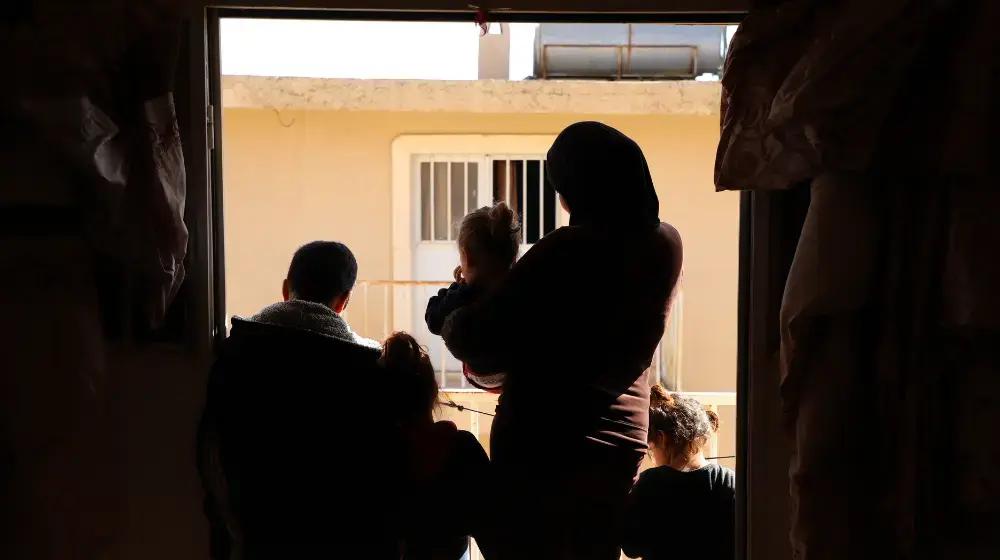
Across the country, 669 collective shelters are currently open, hosting more than 136,000 individuals from over 35,000 families.
Women and girls make up a significant proportion of the displaced, representing 53 percent of those residing in these often overcrowded and under-resourced facilities.
Reproductive Health Needs Rising
Humanitarian organizations report growing concerns about maternal health and reproductive care during displacement. The humanitarian toll on women is particularly acute for those who are pregnant.
Among the displaced population, an estimated 12,200 women are expecting, with approximately 1,350 projected to give birth within the next thirty days.
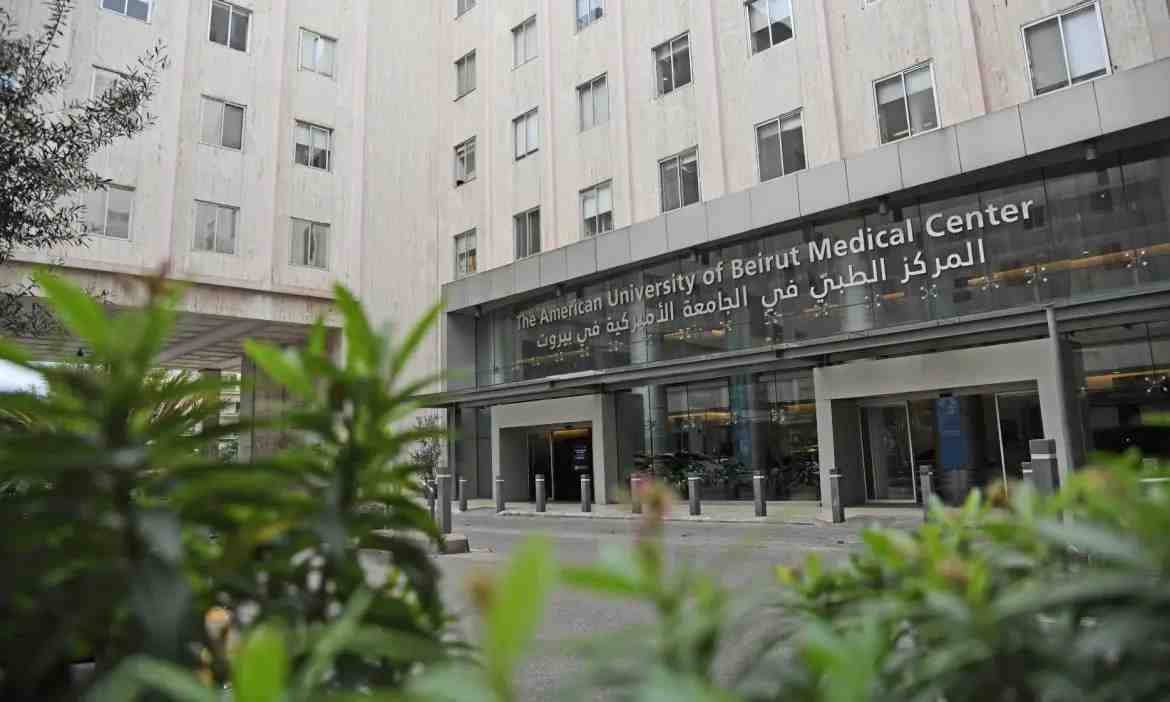
Displacement, restricted access to hospitals, and the disruption of healthcare services pose serious risks to both mothers and newborns.
Some women have already been forced to deliver in unsafe conditions as healthcare facilities become inaccessible due to security concerns or operational closures. The inability to access timely antenatal care or emergency obstetric services heightens the danger for both mothers and infants.
Displacement can significantly increase health risks for pregnant women, particularly when access to hospitals is disrupted by insecurity, damaged infrastructure, or transportation barriers.
To respond to these needs, humanitarian partners have begun distributing reproductive health kits, dignity kits, and clean delivery supplies while deploying mobile health teams to shelters hosting internally displaced families.
Protection Risks in Overcrowded Shelters
Overcrowded shelters are also creating protection concerns for women and girls. Humanitarian reports warn that a lack of privacy, shared sanitation facilities, and unsafe shelter environments can increase the risk of gender-based violence (GBV) during displacement.
Humanitarian partners have responded by providing dignity kits to over 4,400 women and girls, protection services to nearly 23,000 displaced people, and psychosocial support to almost 6,000 individuals.
Despite these efforts, funding gaps and limited coverage mean that many remain without critical protection and support.
Humanitarian actors emphasize that safeguarding women’s dignity, privacy, and safety is as urgent as meeting their medical needs.
These interventions are critical in emergency contexts, where displacement and insecurity can increase vulnerability to exploitation and violence.
Safeguarding Health and Dignity
Public health specialists emphasize that ensuring access to sexual and reproductive health services, safe sanitation facilities, and protection mechanisms is essential in humanitarian crises.
Without gender-responsive services, the health impacts of displacement can disproportionately affect women and girls, particularly those already facing economic hardship or limited access to healthcare.
As the war continues, humanitarian agencies stress that protecting women’s health and dignity must remain central to Lebanon’s emergency response.