

LEBANON - From Maamoul to afternoon coffee, cultural traditions are quietly fueling a public health crisis. In Lebanon, sugar is more than a taste; it’s tradition.
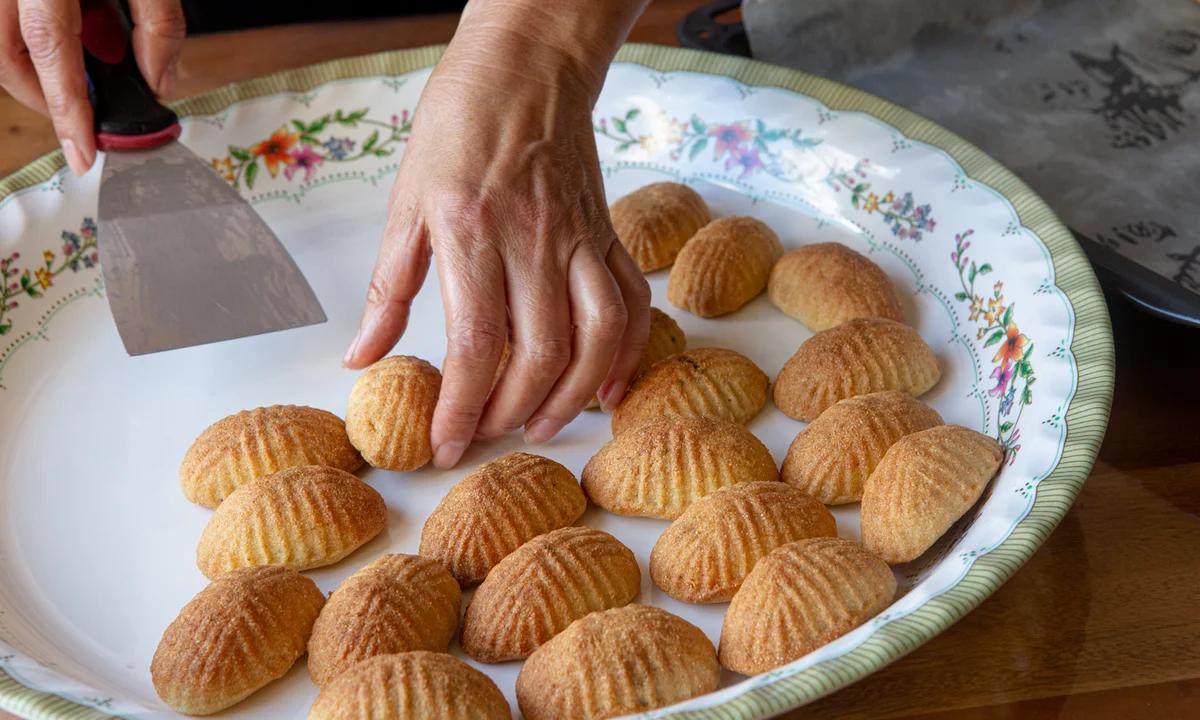
It’s the maamoul served during Easter, the knafeh shared on Sunday mornings, the baklava at family visits, and the afternoon ahweh (coffee) with two sugars offered as a gesture of hospitality.
But behind these beloved rituals, public health experts warn of a quieter, growing crisis: Lebanon has a sugar problem, and it’s contributing to rising rates of diabetes, obesity, and cardiovascular disease.
With Catholic and Orthodox Easter approaching, a season known for sweets and family gatherings, the issue becomes particularly relevant.
A Sweet Culture, A Growing Health Concern
Lebanon, like much of the Middle East, has seen a steady rise in noncommunicable diseases (NCDs), particularly Type 2 diabetes, obesity, hypertension, and heart disease.
According to the World Health Organization, noncommunicable diseases account for over 80% of deaths in Lebanon, with poor diet and excessive sugar intake among the leading risk factors.
Meanwhile, the International Diabetes Federation estimates that approximately 1 in 7 adults in Lebanon is living with diabetes, with many more undiagnosed. Public health experts say sugar consumption often hidden in cultural foods and drinks plays a major role.
The Hidden Sugar in Daily Lebanese Life
Sugar intake in Lebanon is rarely obvious. It’s embedded in daily routines:
Morning manoushe followed by sweet tea
Afternoon coffee with 2–3 teaspoons of sugar
Dessert after lunch or dinner
Sweet pastries during social visits
Holiday traditions centered around sweets
During Easter, consumption often increases dramatically: maamoul, ghtaybeh, knafeh and let’s not forget chocolate eggs as well as imported sweets.
A Crisis Amplified by Stress and Conflict
Lebanon’s ongoing crisis may also be fueling sugar consumption. Over the years several behavioral studies have shown that stress, financial uncertainty, and conflict can increase cravings for high-sugar foods. In Lebanon, where communities are coping with:
Economic instability
Displacement
War-related stress
Limited access to healthcare
Comfort eating becomes common, and sweets often play a central role.
The Public Health Cost
Excess sugar intake is strongly associated with a range of health problems. It can increase the risk of developing Type 2 diabetes, contribute to weight gain and obesity, and elevate the likelihood of cardiovascular disease.
High sugar consumption also affects oral health, leading to dental problems, and can contribute to non-alcoholic fatty liver disease, highlighting how pervasive the impact of sugar can be on overall health, according to WHO sugar guidelines.
The goal is not to eliminate cultural foods and traditions, but to encourage moderation and awareness. Simple changes can make a difference: reducing sugar in coffee, sharing desserts, choosing smaller portions, and balancing sweets with healthier meals can help.
As Lebanon approaches Easter celebrations, experts say this is an opportunity to celebrate tradition while protecting health. Because in Lebanon, sugar isn’t just a treat, it’s a public health story that deserves attention.