

LEBANON - In Lebanon, bottled water is no longer a convenience item. It is part of everyday survival. 69.1% of households rely on bottled water as their main source of drinking water, while only 21% rely primarily on piped tap water.
In a country battered by conflict and weak infrastructure, access to safe water has become a daily struggle, and dependence on bottled water is more critical than ever.
The Environmental Price of a Plastic Bottle
The environmental cost becomes heavier when bottled water is sold in smaller units. Retail listings in Lebanon now show mini 150 mL bottles and 330 mL bottles alongside larger sizes.
While small bottles may feel convenient for day-to-day use, they come at a cost: more plastic, more caps, and more labels for the same water.
Families relying on small water containers produce significantly more waste than those purchasing the same volume in larger bottles.
This is especially concerning in a country whose waste management system is already under strain. Lebanon’s 2024 draft national solid waste strategy estimated that the country generated around 5,600 tons of municipal waste per day in 2022—but only 7.9% of it was treated in operational facilities.
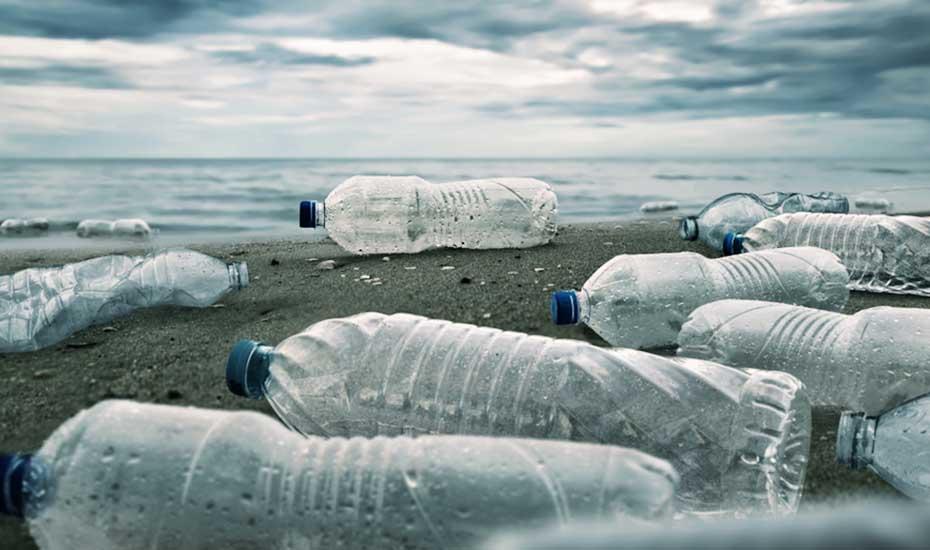
Hard plastics, soft plastics, and foam accounted for 77.7% of marine litter collected on Lebanese beaches. So, while water bottles are technically recyclable, many still end up dumped, buried, burned, or leaking into the environment.
What Bottled Water Means for Your Health
While reusing bottles can help households save money, it also raises concerns about hygiene and potential long-term exposure to plastics.
Bottles first used for water, juices, or soft drinks are often refilled and kept for repeated use. Although this may help households save money, it also raises questions about hygiene and long-term exposure to plastics.
Recent research found that a litre of bottled water contained an average of around 240,000 plastic particles, most of which are nanoplastics. Health authorities also warn that repeated use of thin disposable bottles without proper cleaning can create additional risks.
The Social and Economic Cost to Households
This is also an economic and social issue. According to recent reporting on the right to water in Lebanon, poorer households can spend up to 15% of their income on water, compared with around 3% for wealthier households.
The same report notes that from January 2021 to September 2023, bottled-water prices increased by 16% in US dollars and 2,598% in Lebanese pounds.
Small bottles may look cheaper at first glance, but they often cost more per litre and reflect the same deeper inequality: people are paying in plastic for a service they no longer trust the public system to provide.
Conflict, Displacement, and a Growing Waste Burden
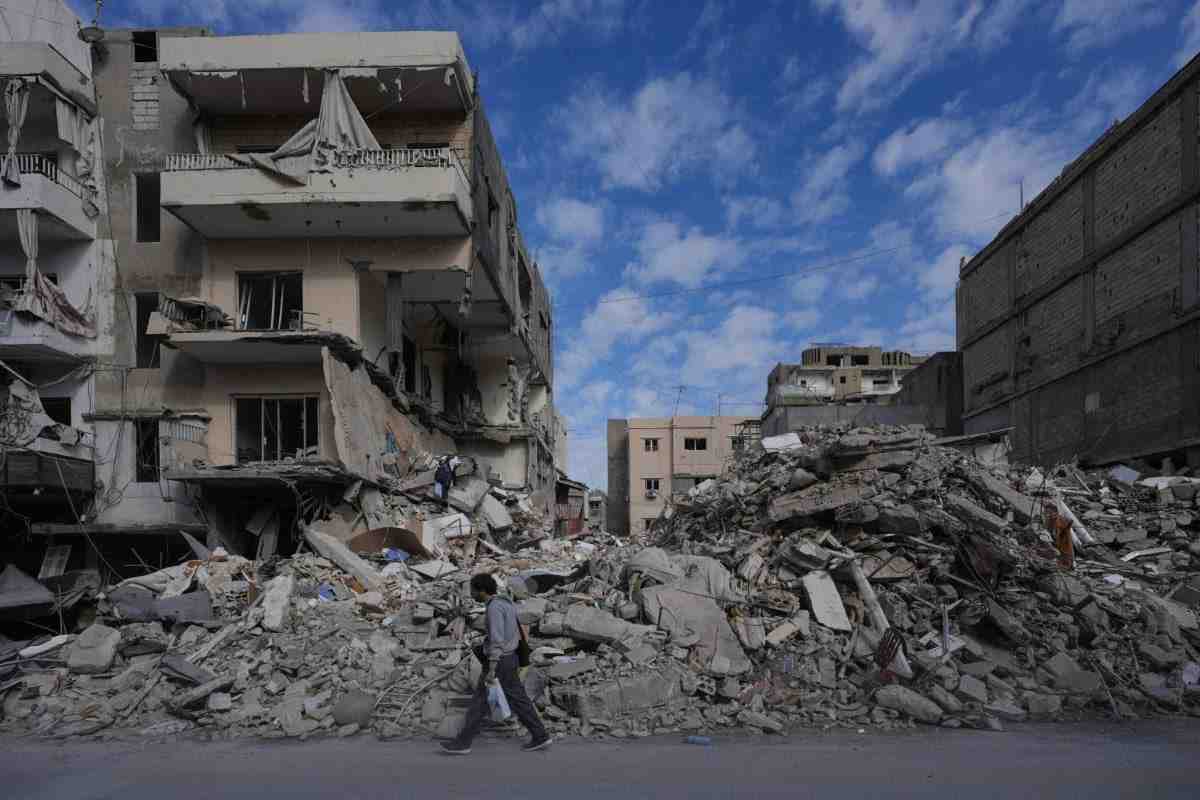
Another layer now deepening this crisis is the recent conflict, which is not detached from Lebanon’s solid waste problem. By 26 March, more than 136, 201 people were staying in 669 collective shelters, and over one million people were displaced. In that context, water, food, and hygiene assistance are no longer occasional distributions; they are part of daily survival.
That also means a growing stream of short-life plastic and mixed packaging. UNICEF said its Rapid Response Mechanism had reached 167,200 displaced people, distributing 344,339 bottles of 1.5-litre water alongside hygiene kits and other essentials.
At the same time, many organizations are providing hot meals, ready-to-eat rations, food parcels, bread, and snacks to families affected by the emergency, and one of its March field reports shows displaced people collecting hot meals in plastic containers at a Beirut shelter.
Taken together, this suggests that shelter responses are generating not only water-bottle waste but also a broader burden of food packaging and disposable containers.
In emergencies, speed, hygiene, transport, and immediate availability often leave little room for ideal packaging choices. But if the crisis continues, Lebanon risks turning a humanitarian necessity into another waste emergency, especially in a country where only 7.9 percent of generated waste is being treated in operational facilities.
A practical step would be to pilot on-site collection and sorting systems in larger shelters, with dedicated pickup for water bottles, meal containers, and other packaging before they are mixed with general waste, dumped, or burned.
In Lebanon, bottled water now sits at the intersection of environment, health, inequality, and failing infrastructure. The issue is not only that people buy bottled water.
It is that they increasingly have little choice, and that every bottle, especially the smaller ones now appearing on the market, adds to a waste burden the country is already struggling to manage