

LEBANON – Lebanon's inflation rose 12.27% year-on-year in February 2026, with the Consumer Price Index climbing to 8,068.09 from 7,186.41 a year earlier — faster than household incomes can follow.
The average annual inflation rate for the first two months of 2026 now stands at 11.59%.
For every 100 dollars a Lebanese family spent on basic goods a year ago, they now need nearly 112. For families already struggling to make ends meet, that gap means less food on the table, medical bills left unpaid, and less money left for everything else.
The figures predate the outbreak of the 2026 war on March 2, meaning the real cost of living is likely worse than the numbers currently show.
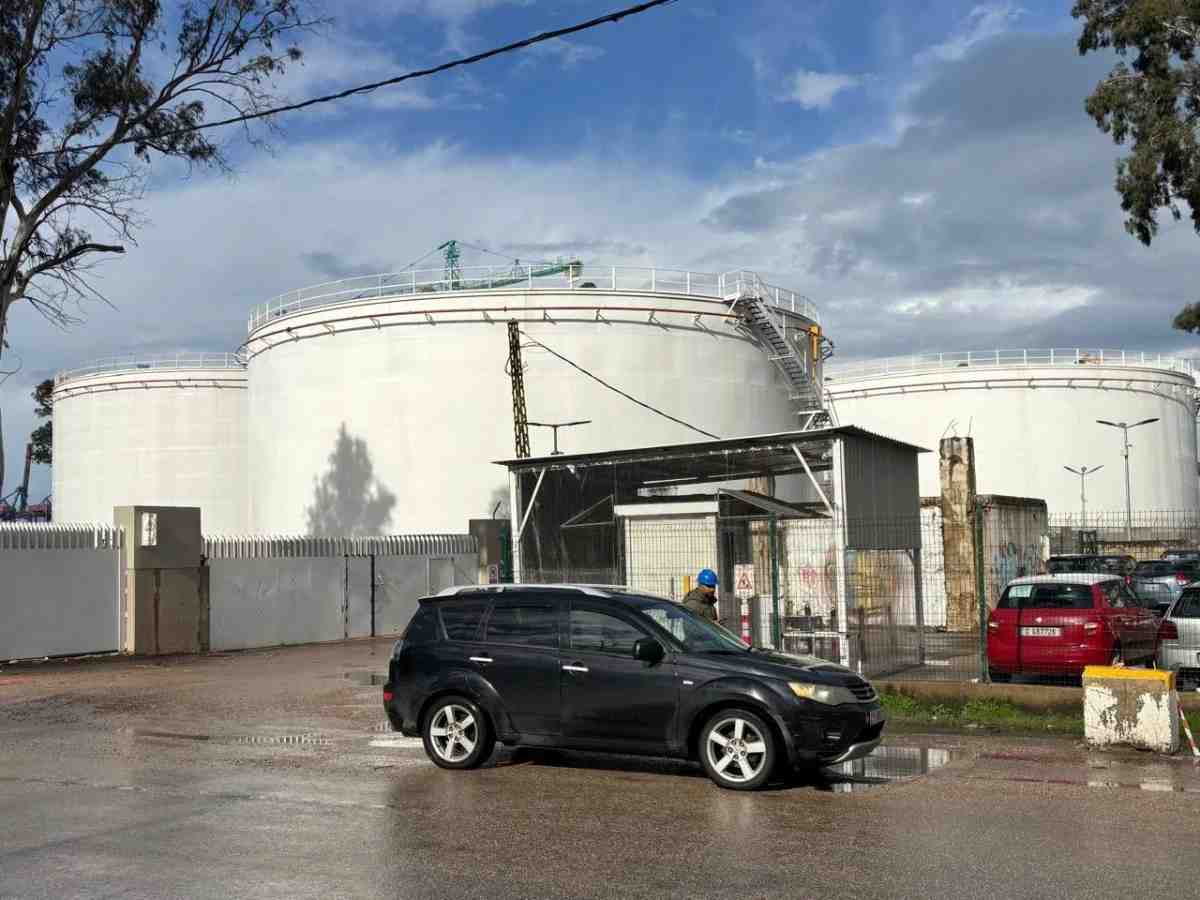
Fuel prices jumped 32% in a single month, with gasoline rising from around $1.00 per liter in February to $1.32 in March. Diesel and cooking gas followed the same pattern, with repeated weekly increases hitting low and middle-income households hardest.
Analysts expect the March CPI reading to reflect these growing pressures sharply.
When fuel becomes more expensive, so does nearly everything else. With supply chains already disrupted by conflict, rising costs move quickly through transport, food distribution, and production.