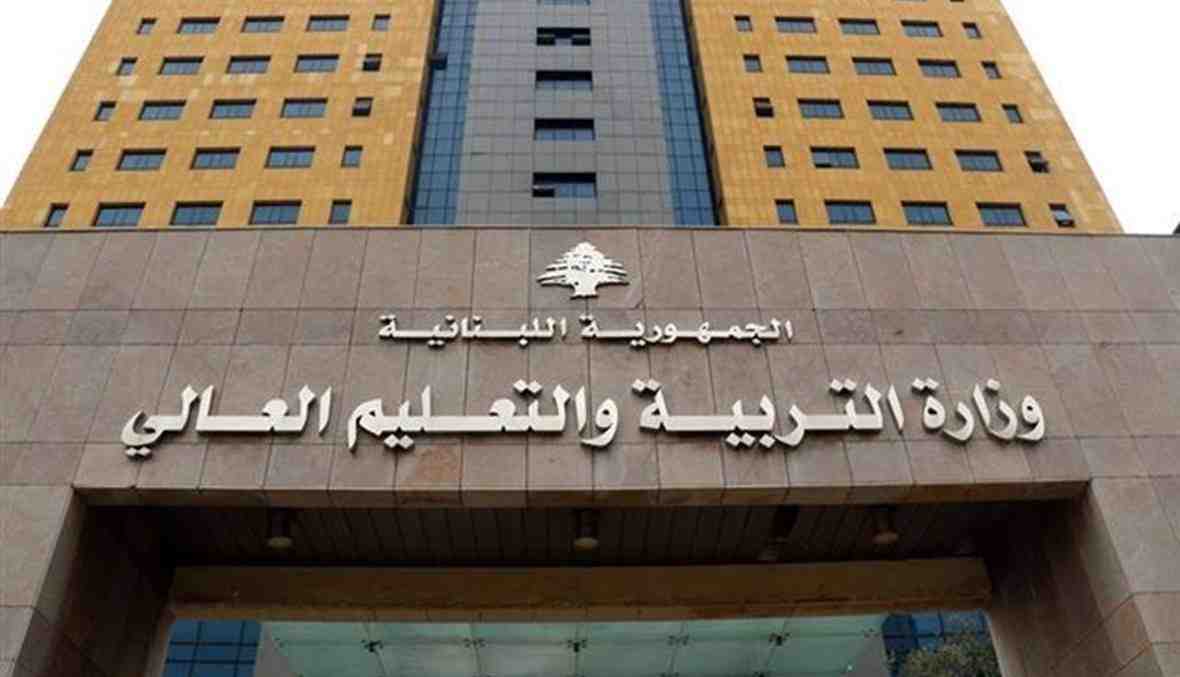
LEBANON - The Ministry of Education and Higher Education has issued its regular report on the “Emergency Response in the Education Sector,” detailing statistics and data on the status of educational institutions amid current conditions, as well as the Ministry’s plan to ensure the continuity of the academic year.
1. Educational Institutions as Shelters
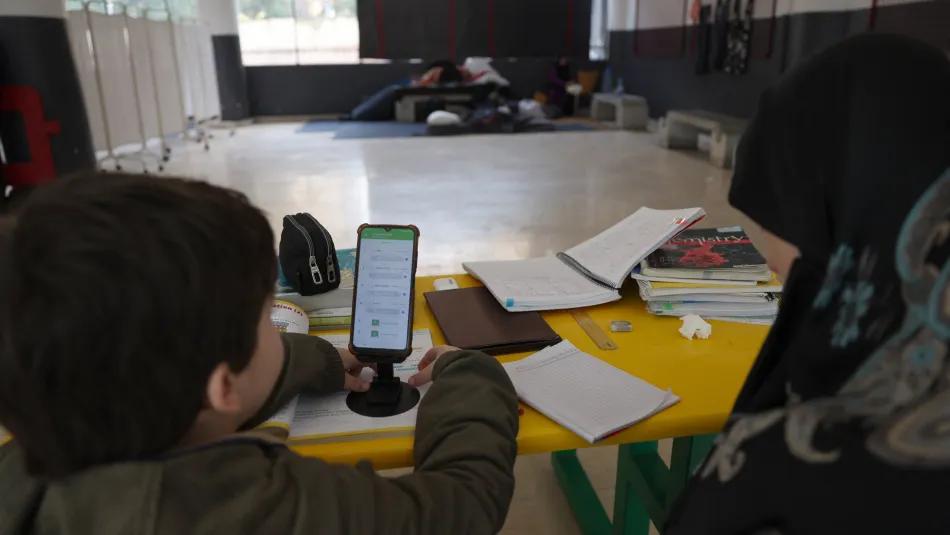
Data shows that the public education sector serves as the main pillar for accommodating displaced populations, with a significant portion of educational facilities allocated to host families:
• Public schools: 1,156 public schools have been designated as shelters, with 358 schools currently hosting families.
• Occupancy rate: Public schools account for 55% of all shelter centers in Lebanon.
• Number of displaced persons: These institutions host approximately 62,118 displaced individuals, representing around 46% of the total displaced population in shelters.
• Vocational and higher education: 56 vocational institutes and 17 faculties of the Lebanese University are participating in hosting displaced persons.
2. Schools and Students (by Type of Education)
The total number of schools included in the report is 2,798, serving 1,000,690 students, distributed as follows:
Public Sector: 1,212 schools
• 508 schools operate in-person or blended learning, serving 142,222 students
• 398 schools provide remote learning, serving 98,201 students
• 206 schools are located in war zones or are closed, affecting 50,671 students
Private Sector: 1,586 schools
• 1,222 schools operate in-person or blended learning, serving 518,524 students
• 364 schools provide remote learning, serving 191,000 students
• No schools are closed or in war zones in this sector
Note: The percentage of students in in-person/blended learning is 48.9% in the public sector and 73.1% in the private sector.
3. Institutional and Organizational Response Framework
The Ministry is working through multiple channels to organize the education process amid emergencies:
• Field coordination: Regular meetings with school principals in affected areas and NGOs to establish frameworks for remedial education activities within “Teaching Hubs.”
• Digital support: Provision of a comprehensive guide to approved digital resources to ensure continuity of remote learning, and organizing technical support teams to assist schools in managing digital operations.
• International cooperation: Coordination with international partners (UNICEF, UNESCO) through the Local Education Group (LEG) to unify funding efforts.
4. Monitoring Students and Teachers (Digital Transformation)
The Ministry launched two online surveys to determine the locations of students and teachers in displacement areas to ensure continued communication and provide educational and psychological support:
1. Morning shift: sta.mehe.gov.lb/Login.aspx
2. Evening shift: nsltemp.mehe.gov.lb/Login.aspx
Additionally, a 24/7 hotline has been activated to handle inquiries related to shelters and to address technical issues linked to the “Teams” platform accounts.