LEBANON - An AI-powered platform, Lebanon on Track, is offering a comprehensive view of Lebanon’s escalating crisis, breaking down real-time data across humanitarian, health, and conflict indicators.
Humanitarian Tracker
The dashboard’s humanitarian tracker highlights the scale of displacement, with over 1.04 million self-registered IDPs, nearly a quarter of the population.
Of those, 138,744 are currently housed in 678 collective shelters, leaving just 14 shelters with remaining capacity, an indication that the system is nearing exhaustion.
Displacement is heavily concentrated in Beirut (45,985) and Mount Lebanon (45,657), followed by the South (25,644), reflecting internal migration toward perceived safer zones.
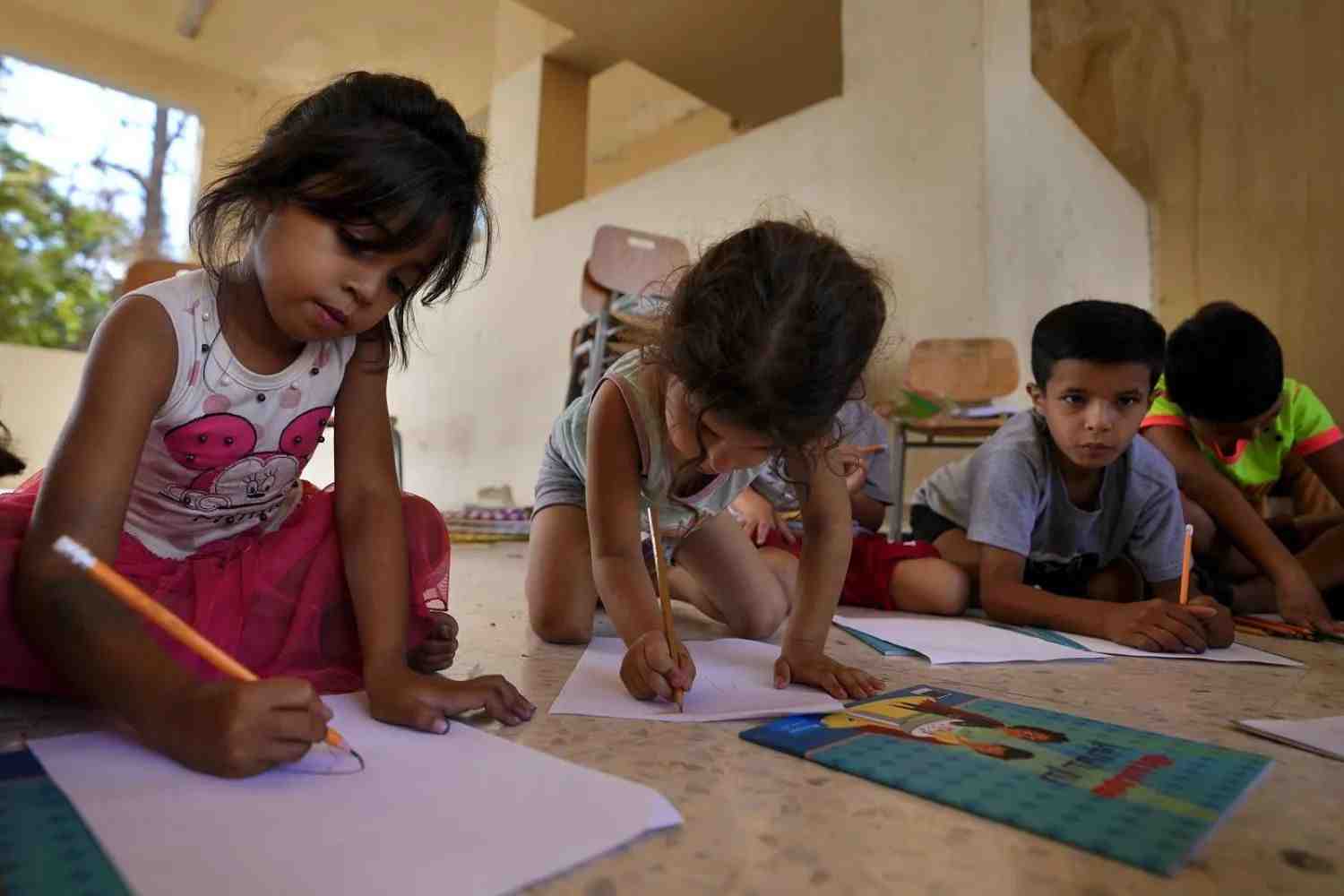
Children remain particularly affected, with 47,700 displaced, while gender data shows a near-even split (52% female, 48% male). Vulnerability indicators further reveal over 4,000 female-headed households and 1,600+ households led by persons with disabilities.
Aid and Basic Needs
Humanitarian needs continue to exhaust available resources. Total aid requested stands at $308 million, while only $94 million has been committed, leaving a $233.6 million funding gap and appeal coverage at just 24.2%.
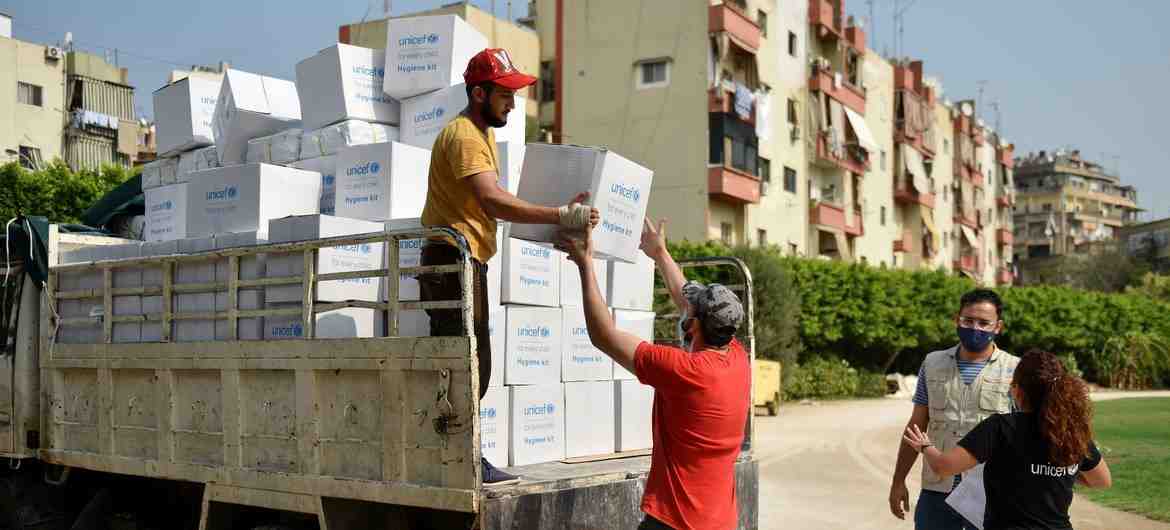
Distribution figures reflect both scale and shortfalls. As of April 8, more than 1.26 million bottles of water have been delivered, alongside 237,504 blankets, 183,212 mattresses, and 119,715 hygiene kits.
However, food assistance remains comparatively limited, with 80,524 ready-to-eat meals and 6,884 baby kits, pointing to gaps in sustained nutritional support.
Health Sector
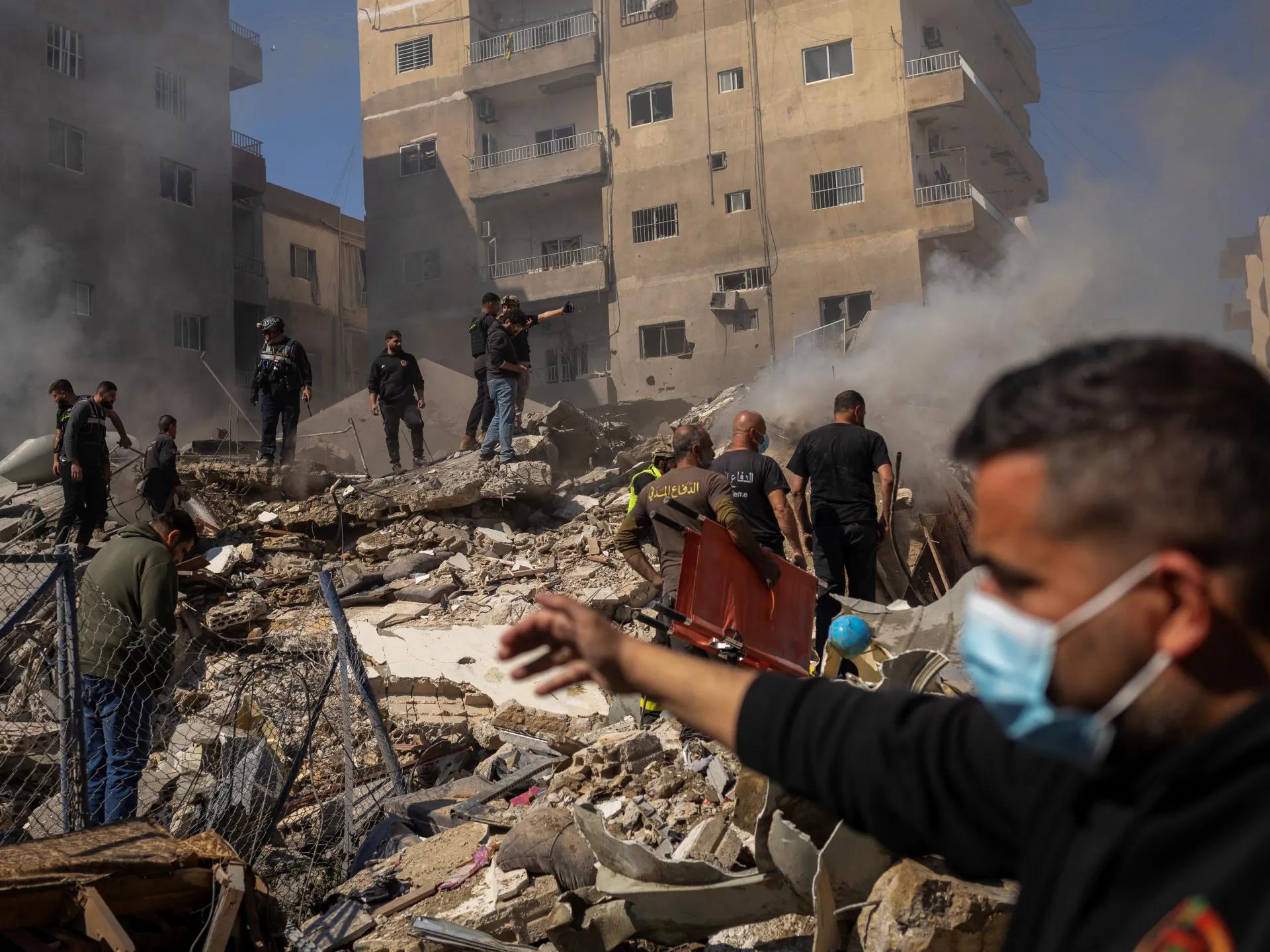
The health system is under mounting strain. According to official data, 60 health workers have been killed and 163 injured, while 87 ambulances have been damaged.
At least 22 medical centers have been affected and 7 hospitals forced to close, significantly reducing operational capacity. In parallel, 98 attacks on emergency medical services (EMS) have been recorded, further complicating response efforts.
Crisis Severity Index
A central feature of the platform is its Crisis Severity Index, based on the INFORM framework used by the United Nations Office for the Coordination of Humanitarian Affairs.
The index assesses each governorate across three weighted pillars: impact on people (40%), conditions of those affected (35%), and crisis complexity (25%). It includes indicators such as casualty rates, displacement pressure, shelter overcrowding, and funding gaps.
Scores range from 1 (very low severity) to 5 (very high), with several المناطق trending toward higher severity levels as displacement and hostilities intensify.
Conflict and Scenario Planning
Beyond static data, the dashboard includes an AI-driven scenario planning feature, outlining potential scenarios for the coming weeks. These scenarios highlight uncertainty around ceasefire prospects and donor mobilization as hostilities expand.
An interactive map further visualizes occupied, contested, and evacuated areas, offering a geographic dimension to the conflict’s humanitarian impact.
Narrative and Data Analysis
The platform also includes a “narrative landscape” tool, analyzing public sentiment and discourse across social media and news platforms in multiple languages. It tracks how narratives evolve alongside events on the ground.
AI Policy Brief Generator
The AI Policy Brief Generator, which produces structured, evidence-based briefs grounded in Lebanon on Track data, provides policymakers with actionable insights to navigate the crisis and plan interventions more efficiently.
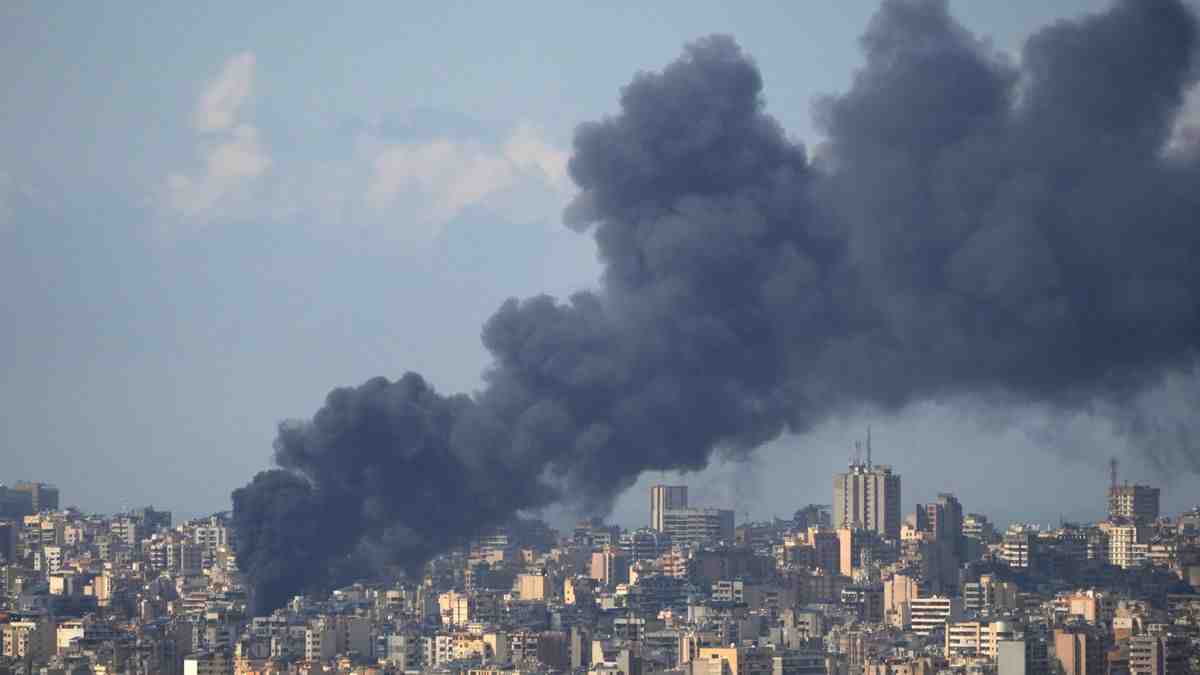
The dashboard paints a stark picture of Lebanon’s unfolding crisis, revealing a humanitarian system stretched to its limits and communities facing growing vulnerability.