



LEBANON – A new Rapid Gender Analysis released by UN Women Lebanon highlights the disproportionate impact of the recent escalation of hostilities and resulting displacement on women and girls across the country.
According to the report, more than 1 million people have been displaced since 2 March 2026, with women and girls accounting for 52% of those affected.
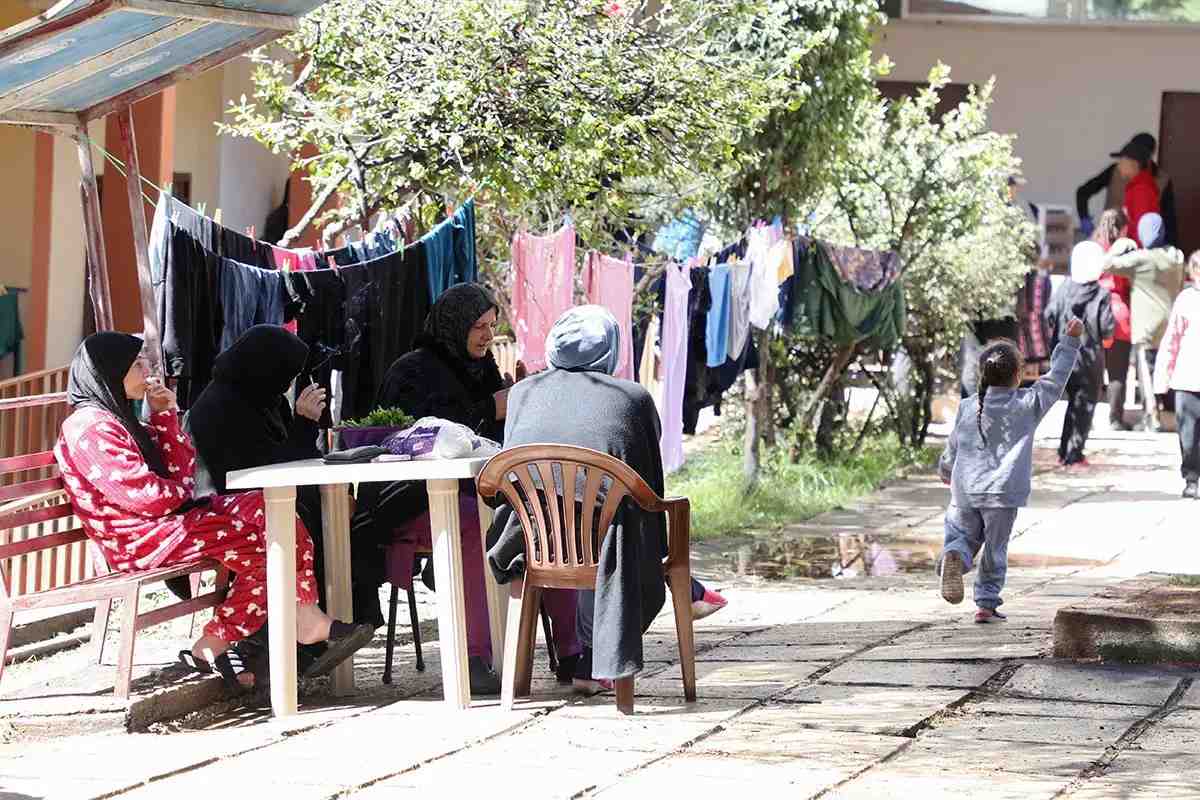
It also notes that approximately 87% of displaced populations are currently living outside collective shelters, often in hosted or informal arrangements that remain largely unaccounted for in humanitarian response systems.
UN Women warns that these displacement patterns are reshaping daily life and deepening existing inequalities, particularly for women, who face heightened protection risks alongside increased responsibilities within households.
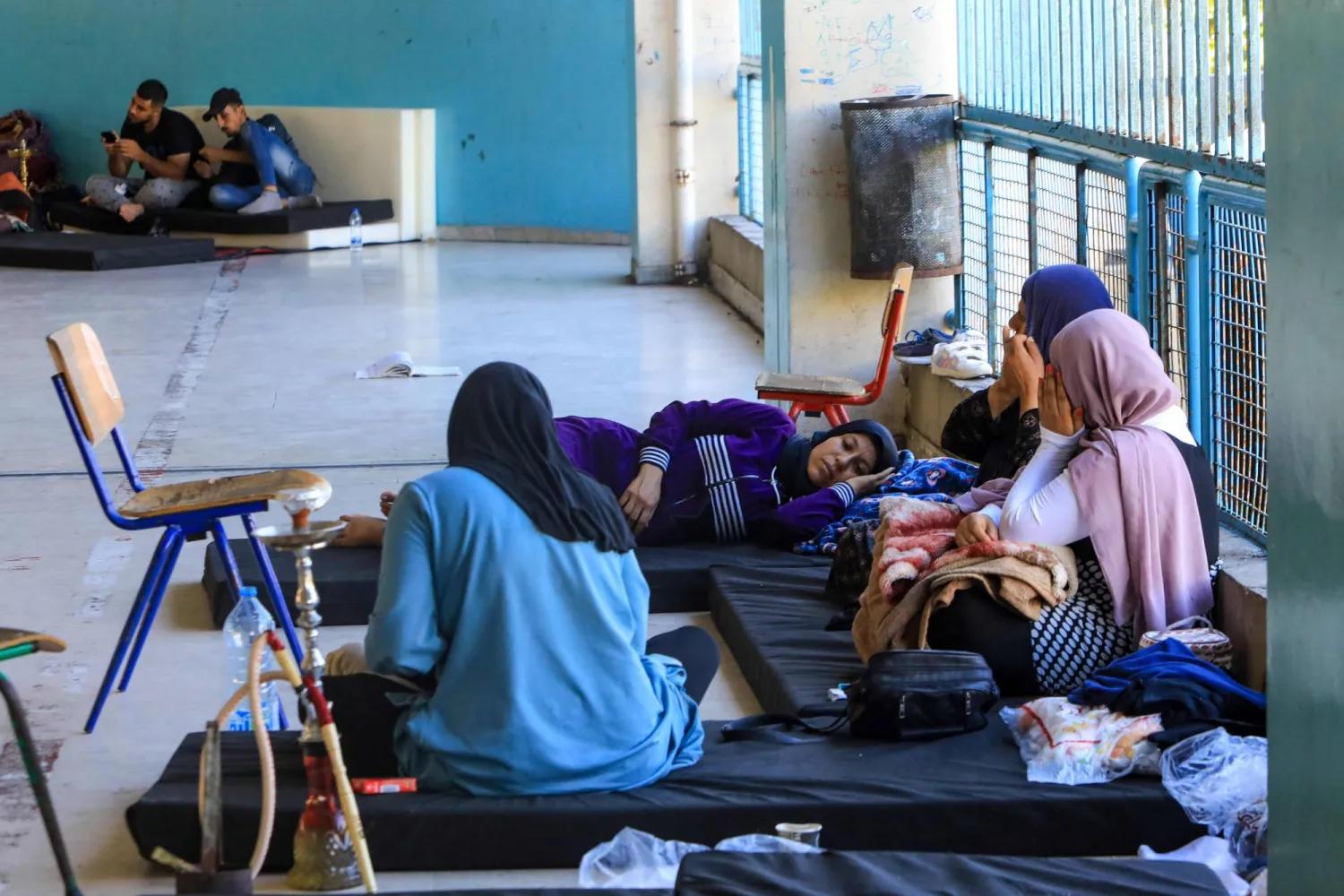
The report stresses that the crisis is defined not only by displacement itself, but also by the conditions in which people are displaced. Overcrowding, lack of privacy, and dependence on host arrangements are contributing to increased exposure to gender-based violence, exploitation, and domestic tensions.
At the same time, women are assuming expanded roles in sustaining household survival, including securing food, healthcare, and essential services under increasingly constrained conditions. One displaced woman was quoted in the report saying: “I am handling everything on my own… providing food, healthcare… everything.”
The analysis also identifies significant barriers preventing women from accessing humanitarian assistance, including mobility constraints, limited information, safety concerns, and social norms that often restrict their ability to seek aid independently. As a result, many women rely on intermediaries, reducing their direct access to resources and decision-making power.
Economic pressure remains a key concern, with 88% of women identifying financial assistance as their most urgent need, followed by food, healthcare, and hygiene support.
Despite these challenges, the report highlights the central role women are playing in community response efforts.
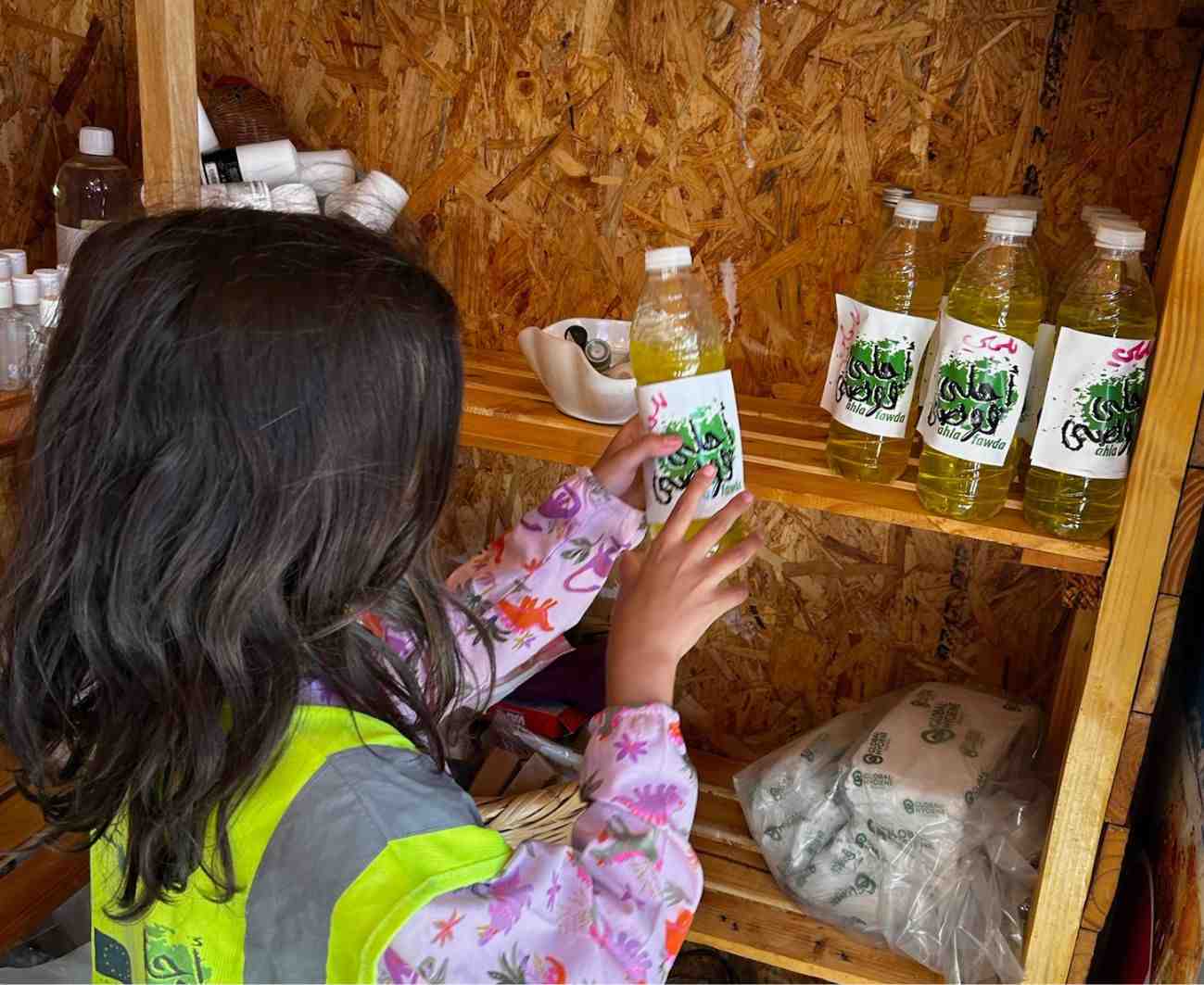
Around 70% of women surveyed are actively engaged in humanitarian or local initiatives, including aid distribution, psychosocial support, and connecting displaced families to services. However, UN Women notes that much of this work remains informal and under-resourced.
The agency warns that without stronger support for women-led organizations and more inclusive response mechanisms, humanitarian interventions risk overlooking both the needs and contributions of women.
The report calls for more gender-responsive approaches, including expanded outreach beyond formal shelters, improved access to services for women with limited mobility, and increased investment in women-led initiatives operating at the community level.
As displacement continues, the findings underscore a key reality: women are not only among the most affected by the crisis, but are also playing a central role in sustaining families and communities.