

LEBANON –Prior to the 1950s in Beirut, the idea of an English newspaper had been largely absent and not widely considered necessary, as most print media catered to Arabic- and French-speaking audiences due to Lebanon’s linguistic history.
Founding of Daily Star
As the city entered an era of cultural pluralism, it became increasingly evident that an English publication would embody Lebanon's cultural openness.
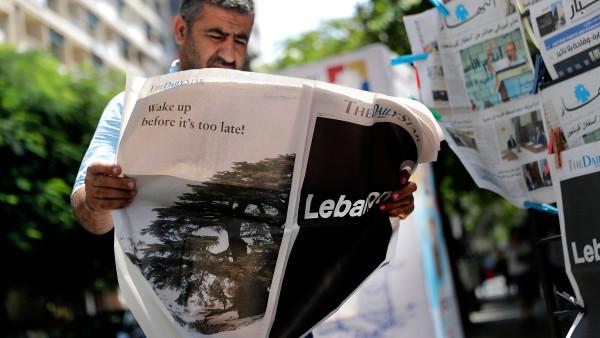
In 1952, the late journalist Kamel Mrowa launched The Daily Star, establishing a media space for foreign residents and staff of multinational companies who viewed Lebanon as a regional hub for business and tourism.
The newspaper quickly enforced its position in the Lebanese mediascape, reaching sales of around 8,000 copies per day by 1975, at a time when print news acted as the primary source of information for many.
The Lebanese War
However, the Lebanese war changed its trajectory. The Daily Star ceased publication, particularly after many foreign residents, who formed a substantial portion of its readership, left the country, leading to its long absence from the media landscape.
The newspaper returned in 1996 under publisher Jamil Kamel Mrowa, in an attempt to revive a media project that had become part of Beirut’s collective journalistic memory.
Regional Expansion
At the turn of the millennium, it entered a phase of regional expansion through a marketing agreement with the International Herald Tribune in 2000, which allowed it to print and distribute in several Arab countries and North Africa, alongside local publications.
In the following years, the newspaper further expanded its regional presence, launching or planning editions and offices in several Arab countries, within a vision that viewed journalism as an industry adaptable to dynamic markets.
An Abrupt Closure After Decades of Publication
However, recent years marked a stark turning point. The Daily Star, the oldest English-language newspaper in Lebanon, informed its employees of their dismissal, according to AFP, citing staff members, with the decision set to take effect in 2020.
The announcement was made via an email from the editorial leadership, which confirmed the termination of all staff contracts, reflecting the scale of the challenges facing Lebanon’s media sector.
A Media Industry in Prolonged Crisis
Lebanon’s press industry has been in a prolonged state of crisis for years, driven by declining internal and external political funding for media outlets, alongside the rise of digital journalism and shrinking print advertising revenues. The ongoing economic crisis and political stagnation have further deepened the contraction of traditional media institutions.
With this decision, The Daily Star put an end to a long chapter in Lebanese journalism, from the print era of the 1950s to attempts at survival in the age of digital transformation, leaving behind a media legacy closely tied to Beirut’s memory and its transformations over decades.