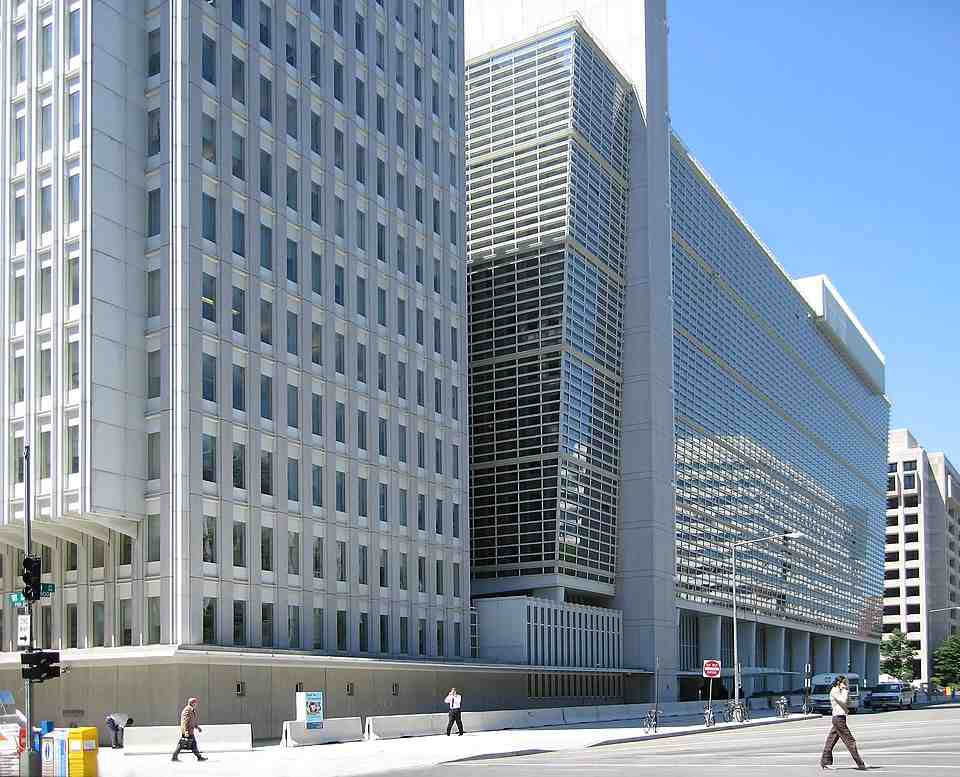





WORLD – The International Monetary Fund (IMF) and World Bank's 2026 Spring Meetings are underway, running from April 13 to 17.
The annual gatherings bring together finance ministers, central bankers, and senior officials from around the world to address pressing global challenges — this year, against the backdrop of ongoing conflict in the Middle East. Discussions have centered on debt restructuring, development finance, private capital mobilization, climate finance, and coordination among multilateral development banks.
Below, we break down what each of these thematic areas means and why it matters.
What is debt restructuring?
Debt restructuring is the process by which a country renegotiates the terms of its debt obligations, typically to avoid default. This can involve extending repayment timelines, reducing interest rates, or writing down a portion of what is owed. For low-income and emerging market economies, it is often the difference between fiscal collapse and the ability to keep investing in public services and long-term development.
Debt restructuring matters because it allows highly indebted countries to regain fiscal space and direct funds toward sustainable development goals (SDGs) rather than interest payments. It also serves as a necessary mechanism to overcome "debt overhang," a situation where high debt levels discourage investment and limit growth..
Debt-swaps on the rise
Increasingly, debt restructuring is being tied to climate commitments and development goals. One mechanism gaining traction is "debt-for-development swaps," where a portion of a country's debt is reduced in exchange for redirecting those funds toward climate action or sustainable development targets.
This is important because climate-related shocks such as floods, droughts, and extreme weather events are becoming more frequent and costly, disproportionately affecting developing countries that already face high debt burdens. In these contexts, debt servicing often crowds out urgent spending on recovery, resilience, and adaptation.
Climate-debt swaps offer a practical solution to this trade-off. By linking debt relief to investments in climate resilience or environmental protection, they allow countries to reduce their debt burden while financing critical development priorities.
For highly vulnerable economies, this approach is particularly valuable. It helps break the cycle in which countries borrow to recover from climate shocks, only to become more indebted and exposed to future crises. In this sense, climate-debt swaps are not just a financial tool, but a mechanism for long-term economic stability and resilience.
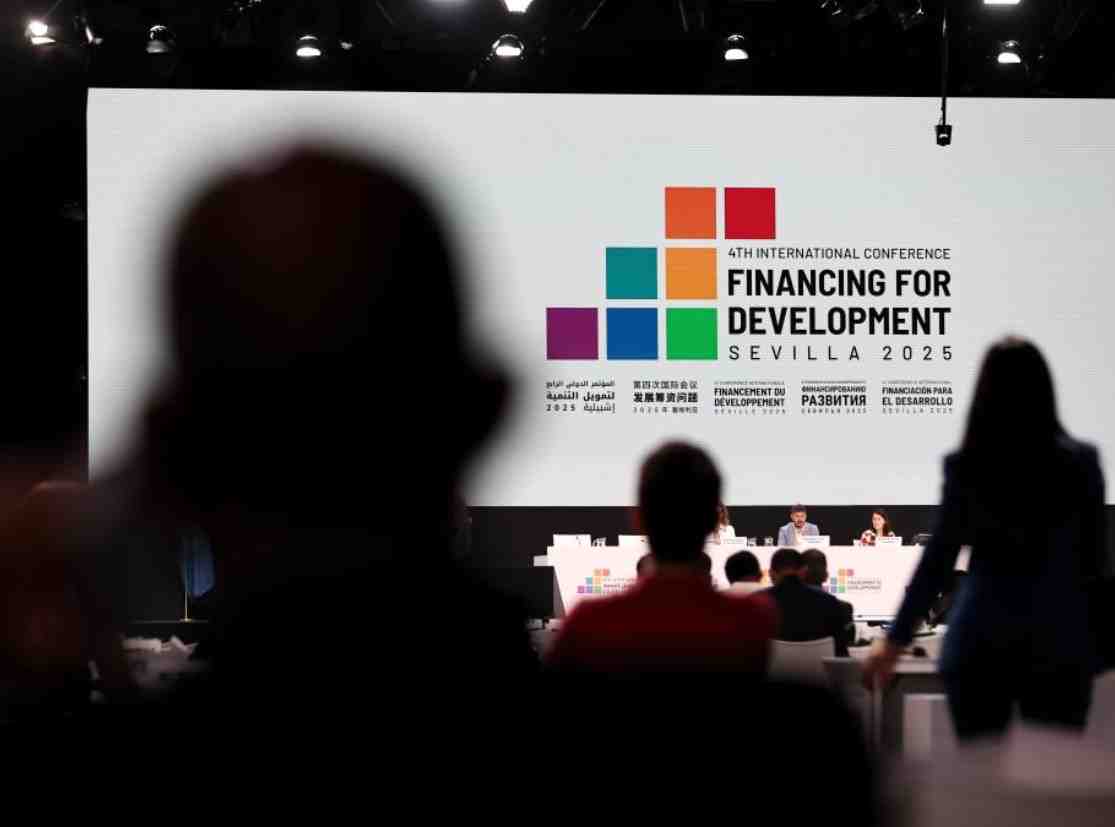
What is financing for development?
Financing for development refers to the full range of resources, public and private, domestic and international, that countries mobilize to fund long-term development goals. This includes government revenue from taxation, foreign aid, concessional loans, and private investment.
As Shari Spiegel, Director of Financing for Sustainable Development at the UN, put it, the goal is ultimately about "changing the way the system works" so that developing countries can "actually invest in their futures."
Finance for sustainable development includes both public and private resources, mobilized by governments, businesses, households, and international institutions. It involves funds generated domestically—such as through taxation—as well as international support, including grants and concessional loans.
At the global level, this system increasingly relies on three interconnected pillars.
The three pillars
Financing for development today rests on three interconnected pillars. The first is private capital mobilization. Because the scale of development needs far exceeds what public funds can cover, governments and development institutions are increasingly working to attract private investment through tools like guarantees, blended finance, and risk-sharing mechanisms.
The second is climate finance. As climate risks intensify, developing countries need substantial funding not only to reduce emissions, but to adapt to impacts already underway. This has made environmental sustainability a core part of development financing, not a side consideration.
The third is the role of multilateral development banks (MDBs) such as the World Bank and regional development banks, which provide both financing and technical support while helping coordinate global efforts and mobilize private capital.
Together, these pillars reflect a broader shift in how the international community thinks about development finance: less as aid, and more as a systemic effort to build the conditions under which developing economies can grow on their own terms.