


WORLD - For decades, ending extreme poverty has been framed as an ambitious goal, morally urgent, but financially out of reach.
A new analysis challenges that assumption, arguing that eliminating extreme poverty worldwide may be far more affordable than most people think.
According to research from the Center for Effective Global Action (CEGA) at the University of California, Berkeley, ending extreme poverty could cost roughly $318 billion per year, or about 0.3% of global GDP.
To put this number into perspective, the cost is about 0.3% of global GDP, slightly higher than previous foreign aid spending (0.21%). Yet it is still far lower than what the world spends on alcohol (2.2%) or cosmetics (0.6%). From an individual standpoint, someone earning the median U.S. income of $45,000 would contribute roughly $135 per year.
In a world where trillions are spent annually on everything from defense to consumer goods, that figure raises a striking question: if it’s financially possible, why hasn’t it happened?
What is "Extreme Poverty" Anyway?
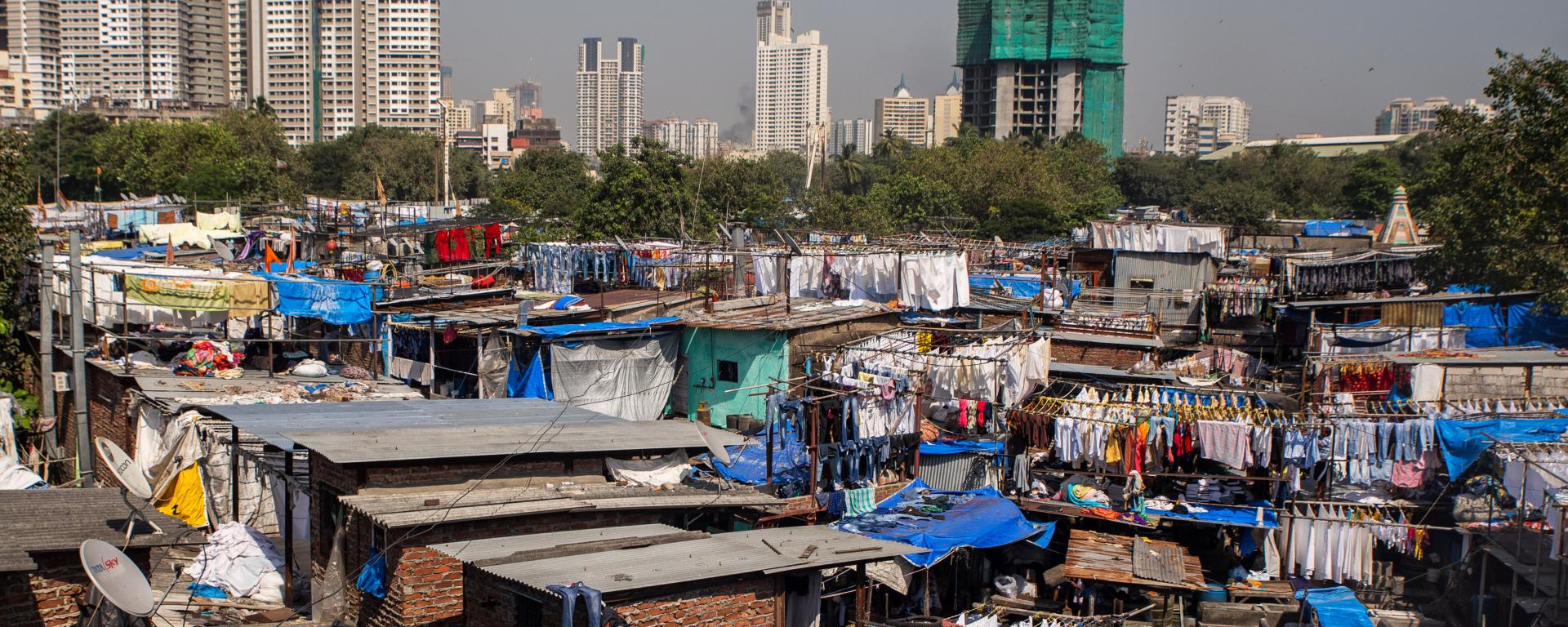
Extreme poverty is typically defined as living on less than $2.15 per day, adjusted for purchasing power. While global poverty rates have declined significantly over the past few decades, hundreds of millions of people still live below this threshold.
The CEGA analysis focuses on targeted cash transfers, direct payments to the poorest households, as the most efficient way to close the income gap. Instead of broad, universal programs, the approach identifies those living below the poverty line and provides just enough financial support to lift them above it.
Is Targeted Aid the Key?
One of the study’s central findings is that how money is distributed matters as much as how much is spent. The study argues that a universal approach, such as a global universal basic income (UBI), would cost nearly $900 billion annually and be significantly more expensive.
By contrast, targeted transfers are far more cost-effective because they focus only on those who need support the most. In fact, the researchers estimate that $170 billion per year could reduce extreme poverty to just 1% of the population in 23 of the world’s poorest countries.
This efficiency is partly due to advances in data and digital payment systems, which make it easier than ever to identify vulnerable populations and deliver aid directly, often via mobile banking.
So, Why Hasn't Poverty Been Eradicated?
If the price tag is relatively modest on a global scale, the barriers are not economic: they are political and logistical.
First, global coordination is difficult. Ending poverty would require commitments from governments, international organizations, and donors over many years. Unlike one-time humanitarian responses, poverty reduction demands long-term investment.
Second, there are concerns about governance and implementation. Ensuring that funds reach the target groups remains a major challenge. Issues such as corruption, weak institutions, and a lack of infrastructure can undermine even well-funded programs.
Finally, there is the question of priorities. Wealthier countries and individuals would likely bear much of the cost, making this redistribution politically sensitive.
What About Lebanon and the Middle East?
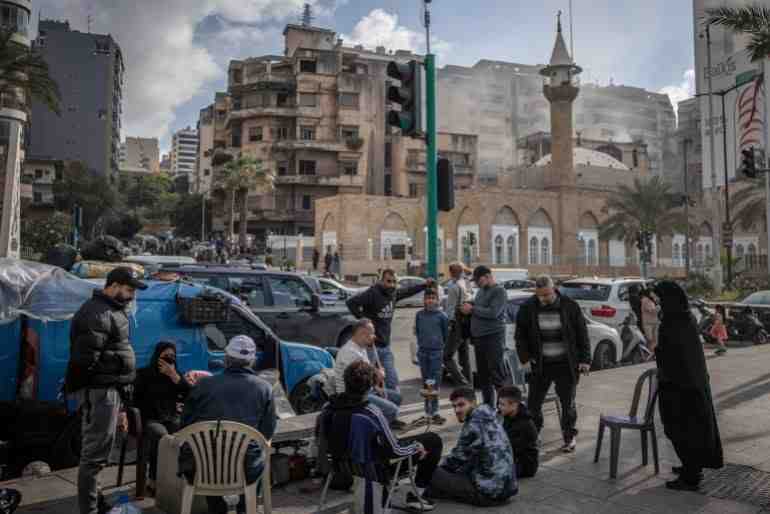
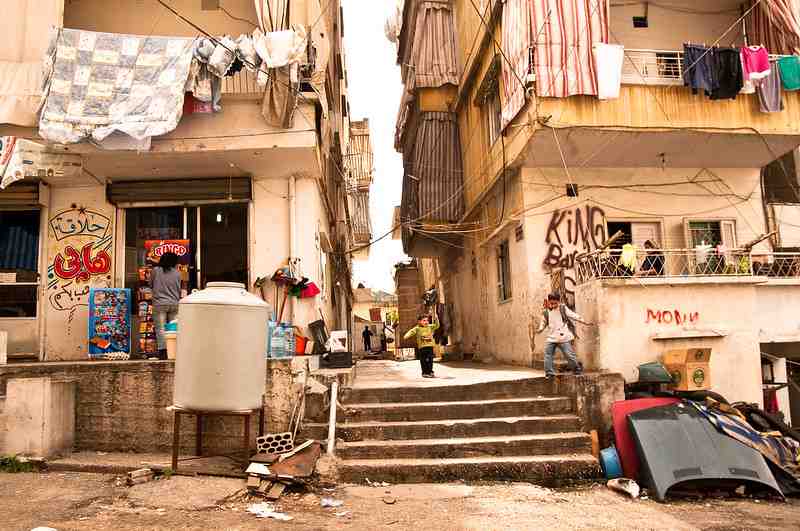
While global estimates suggest that ending extreme poverty is financially achievable, the situation in countries like Lebanon highlights how complex and uneven the reality can be.
Recent data demonstrates the scale of the crisis. Environment Minister Nasser Yassin, citing findings from the Arab Center for Research and Policy Studies, warned that economic conditions remain the primary concern for citizens.
According to the latest Arab Opinion Index, 42% of Lebanese respondents identified economic challenges, such as poverty, unemployment, and rising prices, as their most critical issue.
Around 50% of households are now considered “subsistence households,” meaning their income is just enough to cover basic needs, with no room for savings.
A further 26% live in conditions of deprivation, relying on aid or borrowing to survive. Taken together, this suggests that roughly three-quarters of the population are living at or near economic vulnerability.
Economic pressures continue to intensify. A recent fuel price increase of more than 20% placed additional strain on households, particularly as transportation already accounts for a notable share of spending.
Because much of Lebanon’s economy depends on road transport, the impact is likely to ripple across sectors, driving up the cost of goods and services more broadly.
Across the wider Middle East, Lebanon’s crisis is part of a broader pattern of deepening economic vulnerability driven by conflict, instability, and inflationary pressures.
For instance, in Syria, more than 69% of the population lives in poverty, with extreme poverty affecting over one in four people, as years of conflict, displacement, and economic collapse continue to erode living conditions.
The Middle East's case illustrates a critical point: while the global cost of ending extreme poverty may appear manageable, the challenge is not purely financial.
In contexts marked by economic instability, weak institutions, and limited social protection systems, even well-designed solutions like targeted cash transfers face significant obstacles.
Is It Really This Simple?
While the findings are encouraging, experts caution that cash alone is not adequate. Poverty is multidimensional, shaped not only by income but also by access to education, healthcare, clean water, and stable governance.
However, there is growing evidence that direct cash transfers can have positive effects. Studies have shown that recipients often invest in small businesses, education, and health, creating longer-term benefits beyond immediate income support.
The idea that extreme poverty could be eliminated for a fraction of global wealth reframes the issue. It suggests that poverty is less a problem of scarcity and more a question of priorities and distribution.
The world has the financial capacity to address extreme poverty. The challenge lies in mobilizing the collective will to do so and in deciding whether closing that gap is a global priority worth investing in.