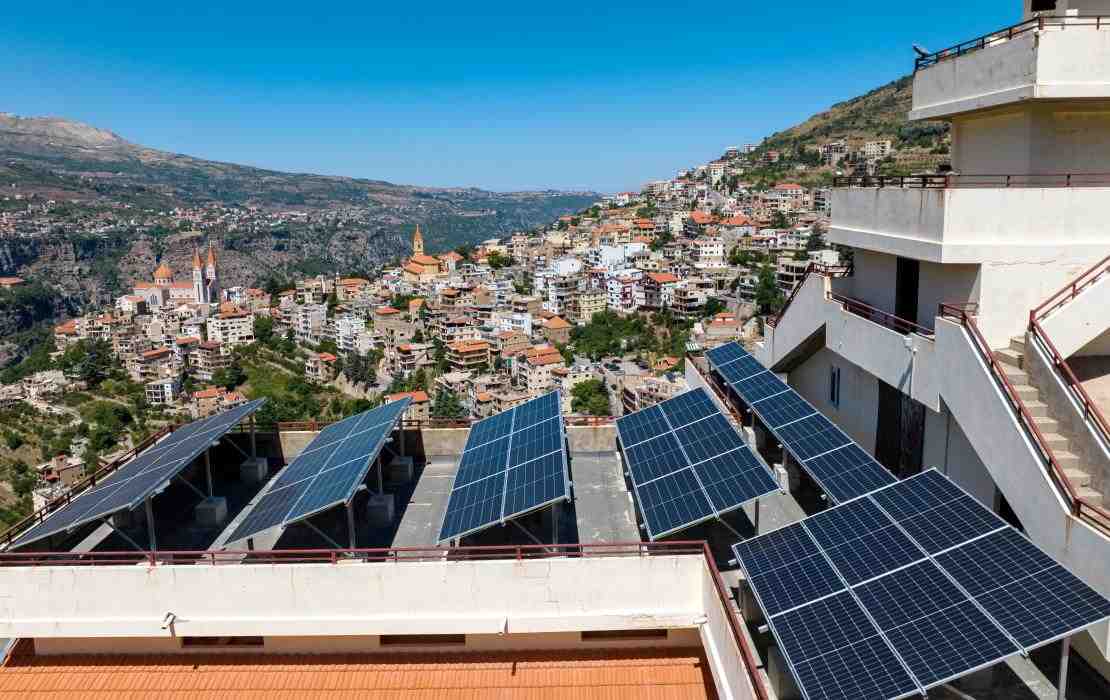




LEBANON - Across Lebanon, rooftops are changing. Solar panels today cover rooftops in cities, villages, schools, and businesses, reflecting one of the country’s fastest recent infrastructure shifts.
According to the Lebanese Center for Energy Conservation, installed solar PV capacity rose from just 0.3 MWp in 2010 to 1,081.3 MWp by the end of 2023, with the sharpest acceleration coming after 2021 as households and institutions turned to solar amid electricity shortages, diesel costs, and grid collapse. In 2023 alone, solar accounted for around 15 percent of Lebanon’s electricity mix.
A Transition Driven By Necessity
This shift was not primarily driven by environmental policy. It was driven by necessity. Solar became, for many Lebanese, a practical response to state failure in energy provision rather than the outcome of a planned green transition.
That is what makes the next question urgent: are Lebanon’s technical and vocational schools preparing young people for a country in which green infrastructure is no longer optional, but increasingly part of daily life?
A growing solar sector requires technicians who can size systems, install them safely, maintain them over time, and work with more advanced technologies such as storage and grid integration. Lebanon has begun to build some capacity in this area.
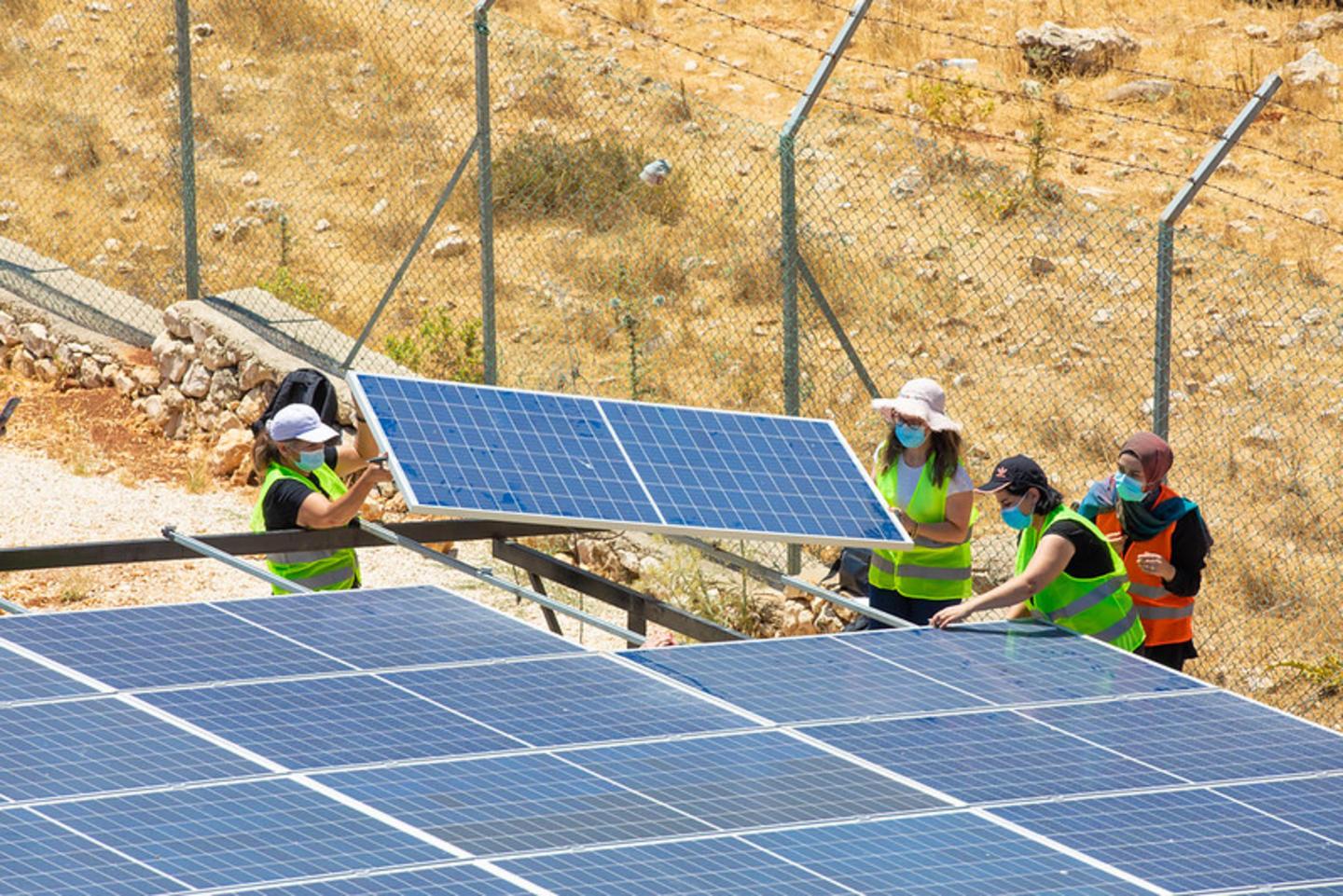
In addition to national certification efforts, the International Labour Organization has highlighted a recent project in Lebanon that brought solar energy directly into technical and vocational schools.
Implemented with the Safadi Foundation under the PROSPECTS partnership, the initiative covered 11 technical, vocational, and agricultural schools and provided paid on-the-job solar training to more than 80 young people.
Learning From Germany's Approach
Germany offers a useful contrast. There, the integration of sustainability into vocational education did not happen overnight. According to Germany’s Federal Institute for Vocational Education and Training, pilot projects in sustainability-oriented vocational training have been running since 2004.
The process deepened over the following years and reached an important policy milestone on August 1, 2021, when “environmental protection and sustainability” became a mandatory standard for all new training regulations. In other words, the education system was adjusted to match the demands of the transition.
Rethinking Education for a Green Economy
This is where we need to think bigger. If solar is now part of everyday survival, then green education should become part of everyday learning.
Public-school students should encounter sustainability not as an occasional awareness session, but through energy use, waste management, school design, and hands-on projects. By the time they reach vocational education, they should already see green infrastructure as a field of work, not a niche idea.
Lebanon has already entered the age of solar. The next step is to make sure the youth are not only living under this transition, but learning how to lead it.