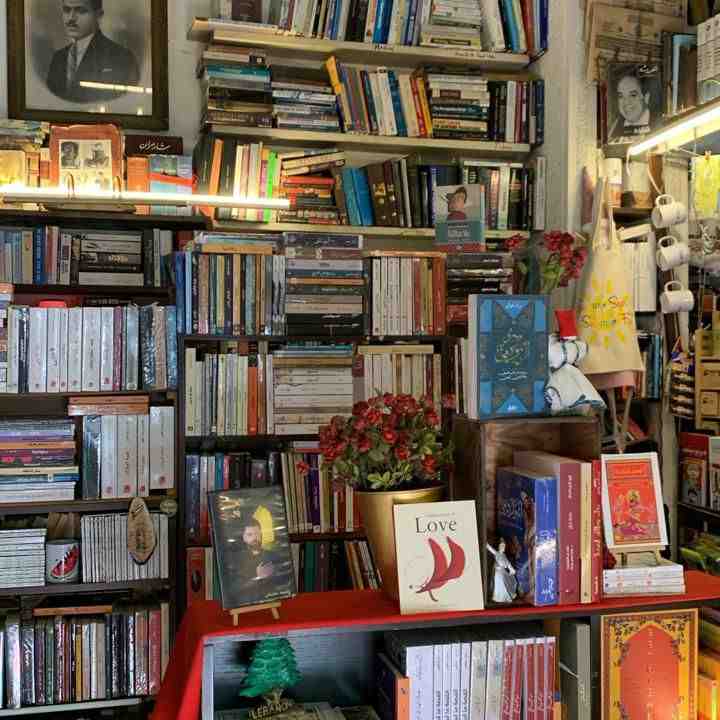
LEBANON - In Mazraat Yachoua, a quiet afternoon settles over shelves lined with decades of Arabic literature, echoing a long and enduring legacy. At Dar Sader, books feel less like products and more like inherited memory. Some titles have been in continuous circulation for over a century, their pages revised, reprinted, and preserved across generations.
It is here that Sarah Sader, representing the fifth generation of her family’s publishing house, reflects on what it means to inherit not just a business, but a cultural responsibility.
“Dar Sader is both a publishing house and a custodian of Arab literary heritage,” she says. “It is both a privilege and a responsibility to carry these works forward.”
Preserving the Arabic Literary Memory
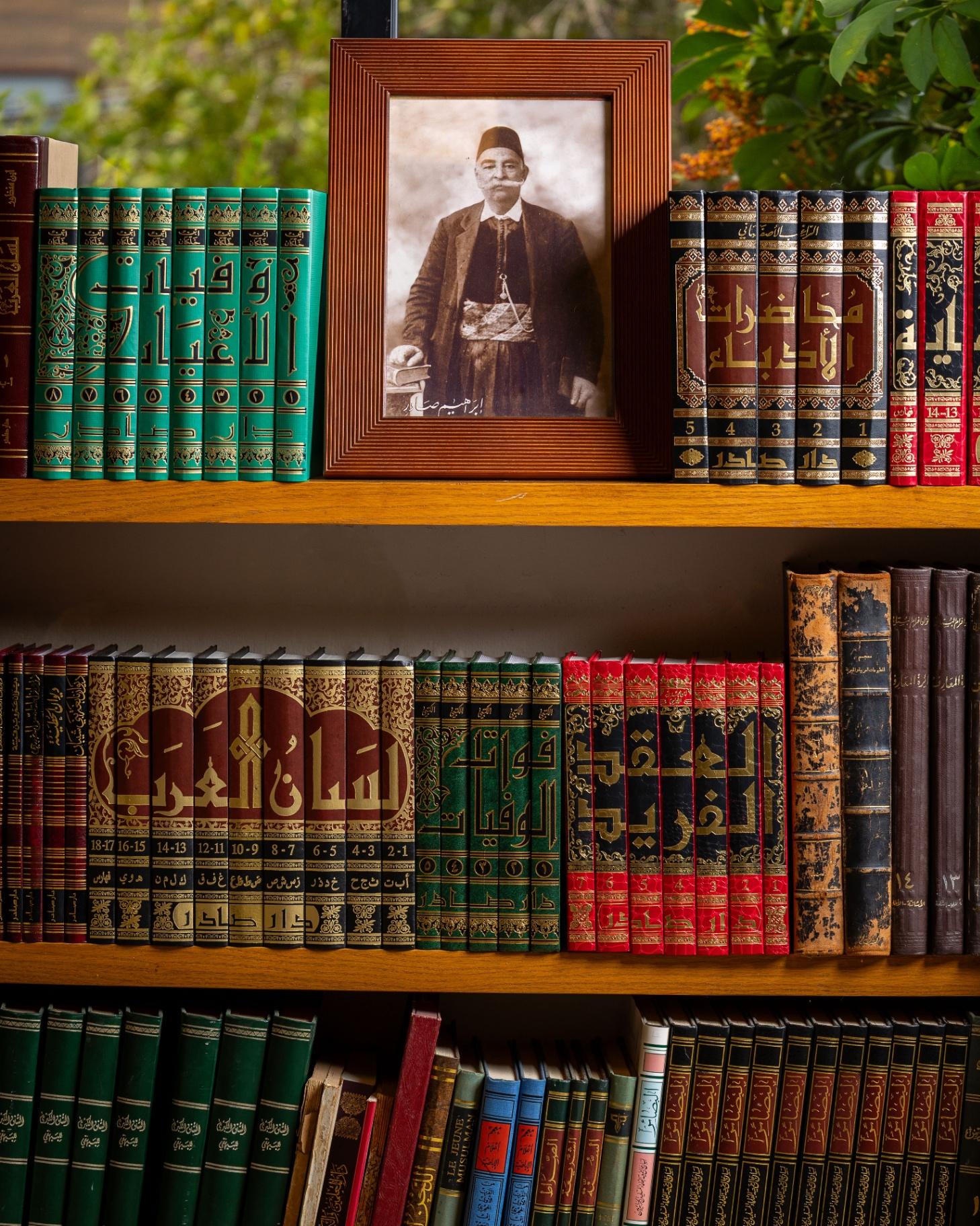
In 1863, Ibrahim Sader opened a bookshop in downtown Beirut. From Salim and Youssef Sader to Antoun Sader, and later successive generations, the institution evolved alongside the Arab literary landscape itself.
Among its most enduring contributions are works that remain central to Arab cultural memory, such as Al-Mutanabbi, first published by Dar Sader in 1900; Kalila wa Dimna in 1912; and an unabridged edition of One Thousand and One Nights, in circulation since 1926.
These are living texts that continue to circulate across the Arab world and beyond.
For Sarah, the family legacy is not defined by nostalgia, but by continuity of purpose. “What has remained constant is a long-term vision: publishing not for the moment, but for posterity,” she explains. “What we have is not just a business. It’s a mission we are entrusted to carry forward.”
That sense of responsibility is deeply embedded in daily practice. Rather than a formal transmission of knowledge, learning happens through proximity and repetition.
“There is a strong culture of transmission through daily immersion,” she says. “I shadow my father and uncle across editorial decisions, production, distribution, sales, and book fairs.”
This hands-on apprenticeship reflects a broader philosophy: publishing, for Dar Sader, is not separated from lived experience. It is built through exposure to manuscripts, conversations with booksellers, and the rhythm of regional book fairs. Editorial judgment, she suggests, is less about rigid rules and more about accumulated instinct.
Publishing in a Decentralized Era
Today, Dar Sader continues to balance its core focus on poetry, heritage, and history with the realities of a rapidly shifting publishing landscape. While submissions are abundant, selection remains deliberate.
“Editorial choices are guided by coherence rather than volume,” she notes. “Over time, experience helps develop an instinct for what resonates and what is worth preserving.”
In an era where publishing has become increasingly democratized, Sarah acknowledges that the industry has shifted. “Publishing still holds cultural authority, but it has become more decentralized,” she says. “However, credibility still needs to be built, and this is where established publishers continue to play a key role.”
Between Archive and Digital Future
At the same time, Dar Sader is actively navigating transformation. Digitization has become a priority, particularly the preservation of its extensive archives. Yet print remains central to its identity. “There is still a strong attachment to physical books,” she says, noting the continued performance of poetry collections in markets such as Saudi Arabia, Iraq, and Egypt.
The challenge, she suggests, is not choosing between tradition and change, but ensuring both can coexist. “We are adapting without losing what defines us,” she says. “Cultural commitment comes first, but sustainability is what allows that commitment to endure.”
In many ways, Dar Sader’s story mirrors the evolution of Arabic publishing itself: rooted in heritage, shaped by political and technological shifts, and constantly renegotiating its role in contemporary culture. Yet for Sarah, the future is about"expansion with intention."
“I hope Dar Sader remains a reference point for Arabic poetry and heritage,” she says. “But also becomes a space where new voices can emerge: a place where readers, writers, and thinkers can connect and grow.”