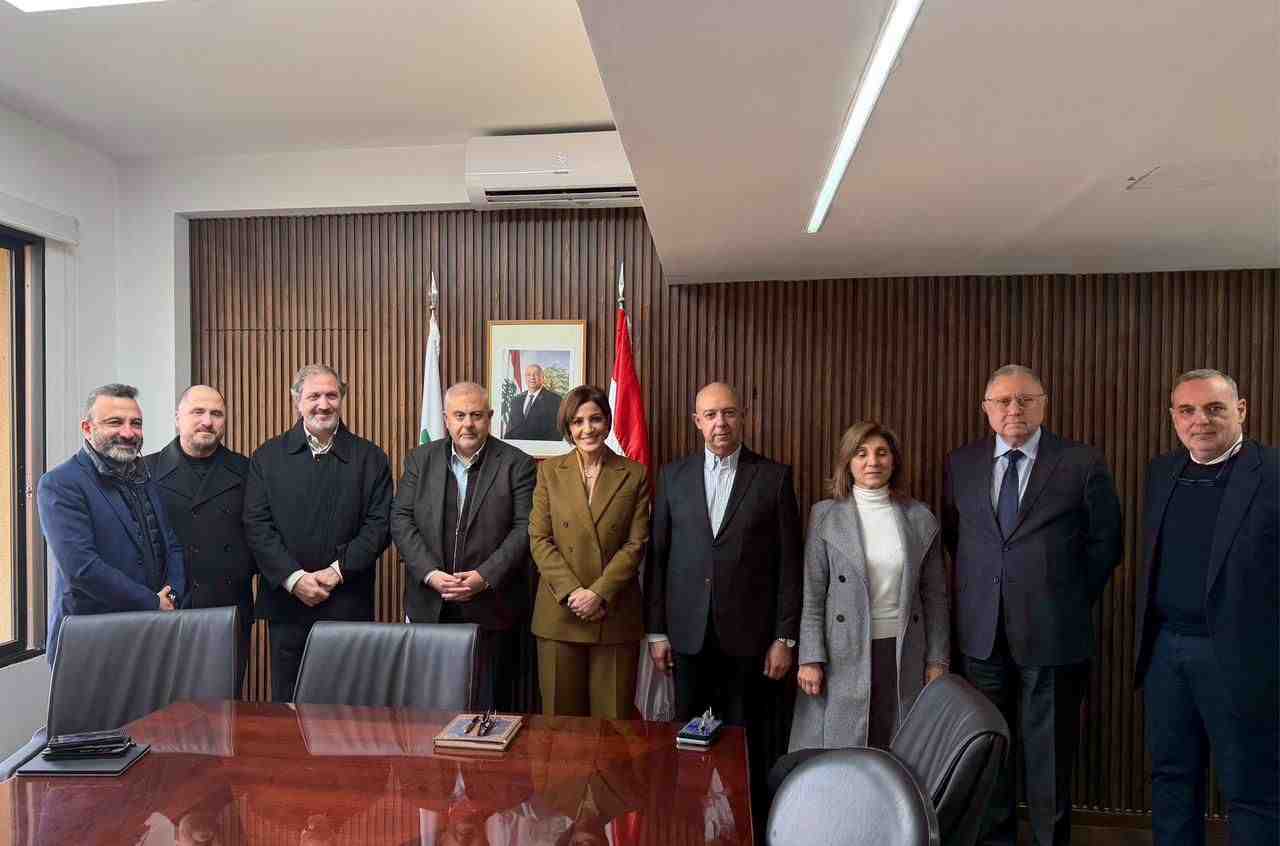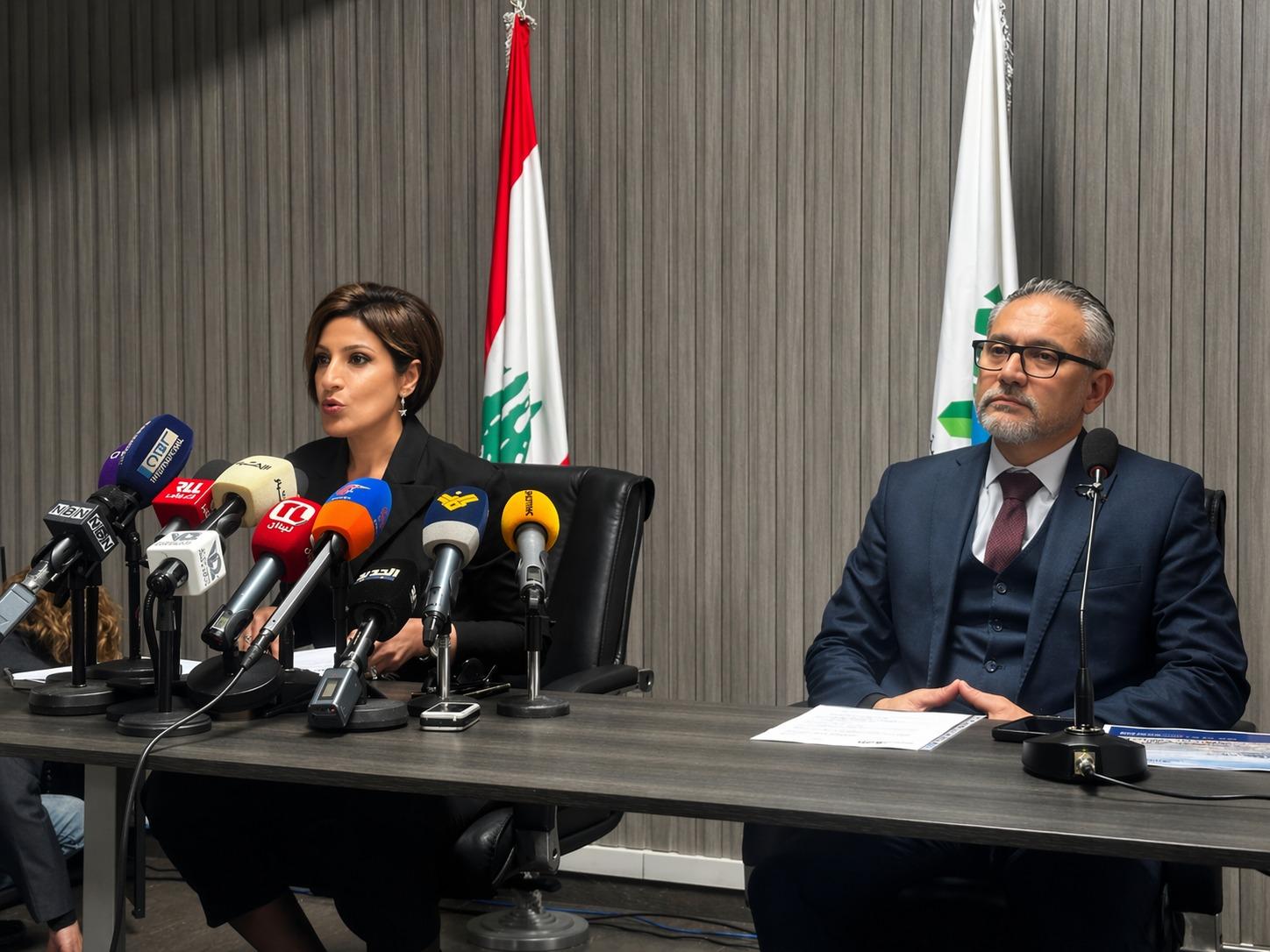
LEBANON – On April 22, 2026, a joint press conference was held by the National Council for Scientific Research and the Ministry of Environment at the Ministry’s headquarters to announce the results of a national study on the environmental impact of the attacks on Lebanon between 2023 and 2025.
The study was released under the title: “Steering the Post-War Recovery of Ecosystems in Lebanon: Understanding Challenges and Envisioning the Future.”
During the conference, Minister of Environment Tamara El Zein described the report’s findings as “genocide,” noting that the damage extended beyond human losses to include three simultaneous forms of destruction. “Domicide” was evident in the destruction or damage of more than 220,000 housing units.
“Urbicide” was reflected in the systematic destruction of southern border villages, including residential neighborhoods, infrastructure, historical landmarks, places of worship, and archaeological sites.
“Ecocide,” meanwhile, encompassed severe damage to forests, agricultural land, soil, water resources, and air quality, with long-term repercussions for public health, food security, livelihoods, and the country’s resilience.
For his part, the Secretary-General of the National Council for Scientific Research, Dr. Shadi Abdallah, stressed that the study reveals extensive damage to ecosystems, natural resources, and human health.
He emphasized that this work is part of an ongoing national scientific effort aimed at systematically documenting violations, supporting evidence-based decision-making, and laying the groundwork for environmental recovery and reconstruction.
He added that the study was conducted through self-funding and the efforts of researchers and experts, despite challenging field conditions.
Abdallah also underscored that scientific documentation is a cornerstone for revealing and establishing facts, particularly in the face of attempts to obscure realities, stressing that science remains the first line of defense for truth.
Meanwhile, the report’s key findings were presented, highlighting the adopted scientific methodology, the scope of environmental damage, and its short- and long-term implications.
This comes as part of efforts to support Lebanon’s path toward sustainable environmental recovery.