



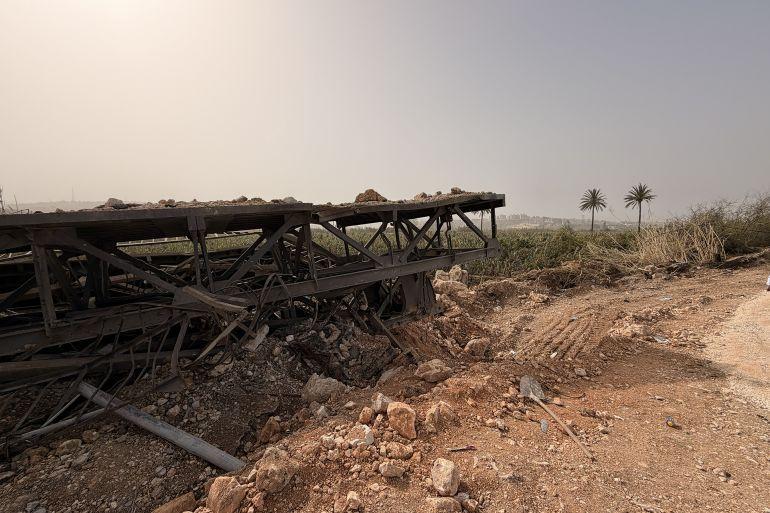
LEBANON – The bridges spanning the Litani River have become a central feature of the recent escalation in southern Lebanon, after many were severely damaged or directly destroyed amid ongoing military operations that have hit critical infrastructure in the region.
According to the data, of the 10 bridges linking both sides of the Litani River, eight have been destroyed or severely damaged, while access roads leading to a ninth bridge have been cut off. Only one bridge has so far remained untouched by direct targeting.
The affected or destroyed bridges include: the Qasmiyeh Bridge (partially damaged), the Old Qasmiyeh Bridge (completely destroyed), the Qasmiyeh Coastal Bridge (destroyed by airstrikes), the Zrariyeh–Tir Falsayh Bridge (completely destroyed), the Qaaqaiyet al-Jisr Bridge (destroyed), the Delafa Bridge (destroyed, cutting a vital route), as well as the Mashghara and Sohmor bridges, which were destroyed in early April 2026.
These bridges are considered highly strategic, serving as key transport ways for civilians and services, linking southern districts and villages. Any damage to them has a direct impact on daily life and mobility.
“Reconnect Lebanon” Plan
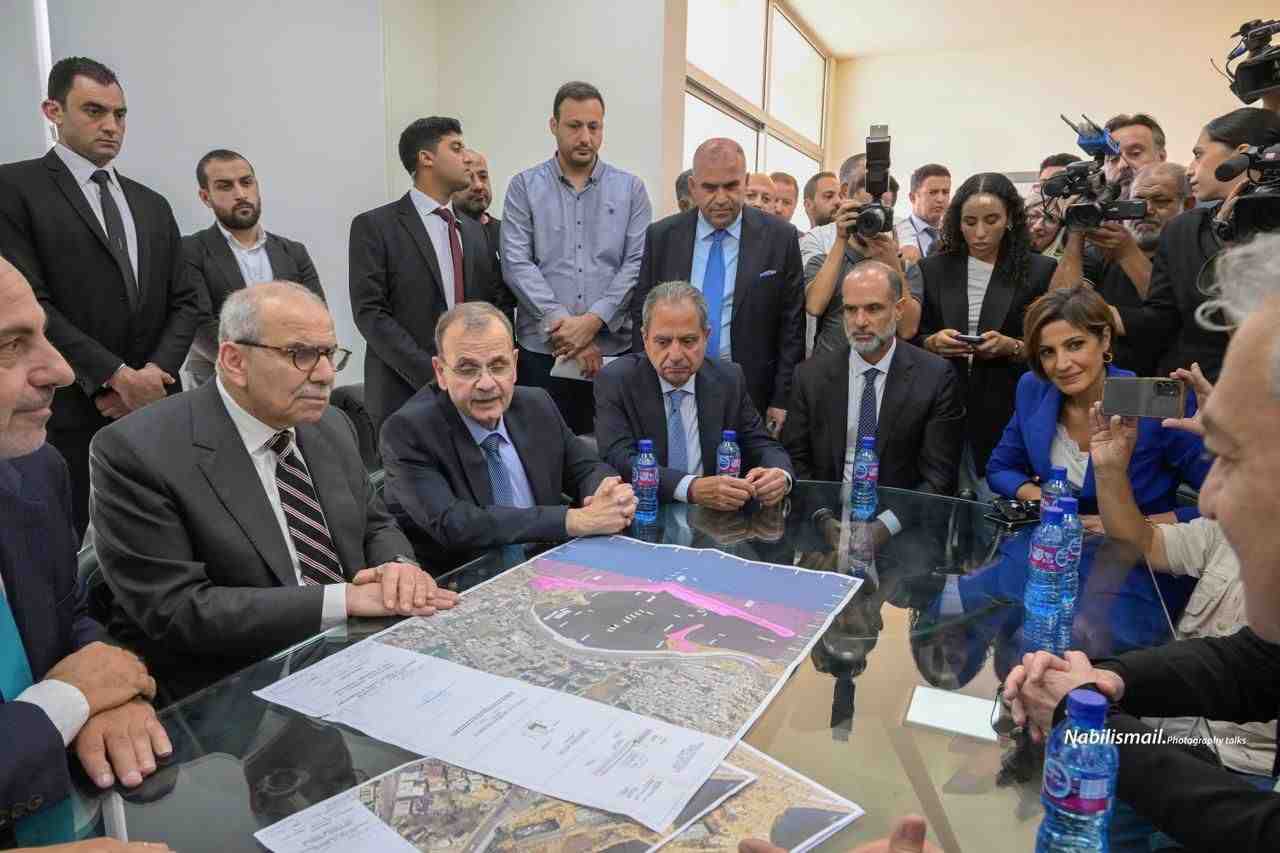
Enmaeya obtained exclusive information from the Ministry of Public Works and Transport about its“Reconnect Lebanon” initiative, outlining a detailed assessment of damages, intervention plans, and challenges.
The ministry stated that the initial assessment shows “significant and direct damage” to bridges in southern Lebanon, including some partially damaged structures and others completely out of service due to direct strikes or surrounding impacts. These estimates remain continuously updated due to ongoing damage in some areas.
Emergency Plan: Three Phases
The ministry’s plan is based on three main phases:
• Immediate intervention to maintain partial traffic flow
• Temporary solutions to reduce risks and ensure mobility
• Later reconstruction or rehabilitation according to modern engineering standards
Priority is given to bridges linking major districts and providing access to homes, hospitals, and essential facilities.
Prioritization Criteria
The ministry uses clear criteria to determine priority bridges, including:
• Strategic importance within the transport network
• Traffic intensity
• Role in connecting isolated areas
• Impact on access to essential services
• Level of damage and ease of intervention
• Safety conditions and security situation
Field Assessments
Technical teams conducted field inspections of several bridges, including Qasmiyeh, Qaaqaiyet al-Jisr, and Knaiseh bridges, as well as the 6 February Bridge (Tir Falsayh), in coordination with the Lebanese Army and the Litani River Authority.
Preliminary findings show varying levels of damage: some bridges may be temporarily reactivated after emergency repairs, while others require major structural intervention or full reconstruction. In some cases, access depends on security conditions.
Temporary Alternatives
To maintain mobility, the ministry implemented emergency alternatives, including:
• Opening additional routes
• Temporary rehabilitation of damaged sections
• Creating alternative detours where possible
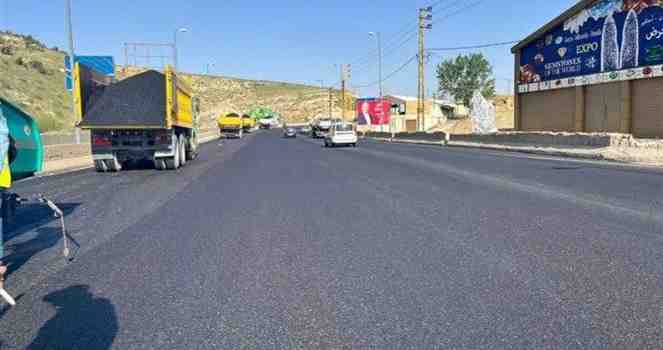
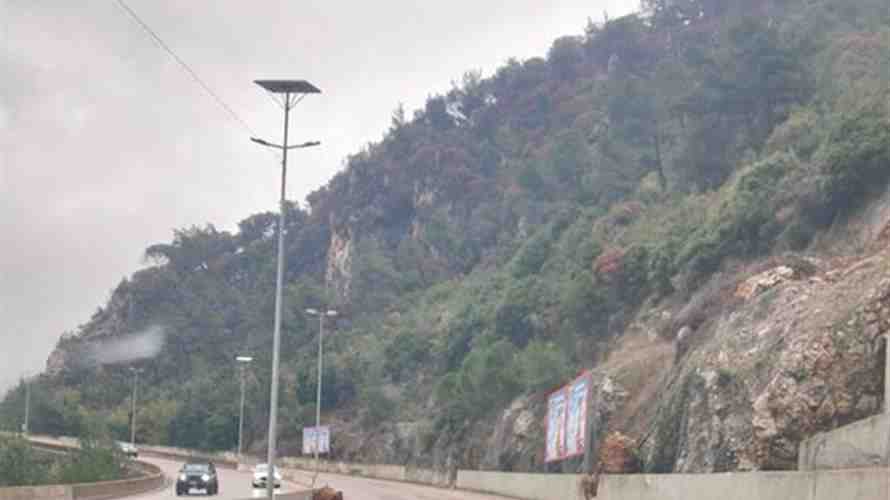
The Beirut–Sidon coastal highway at Jiyeh was partially restored despite damage, alongside technical measures to maintain crossing at certain key points.
Coordination and Security Constraints
Daily coordination with the Lebanese Army, municipalities, and relevant authorities to ensure rapid response for road reopening and safety works is ongoing.
However, the ministry noted that timelines for repair or reconstruction remain uncertain, as they are directly tied to security conditions, repeated damage, and limited access to certain areas.
Economic and Social Impact
The ministry concluded that the disruption of bridges is directly affecting daily life, limiting access to homes and hospitals, disrupting supply chains, increasing transportation costs, and deepening isolation between communities.
Reconnecting these routes is therefore not only an infrastructure issue, but also a humanitarian and social priority aimed at restoring basic stability to affected regions.