



LEBANON - A newly discovered cave on the outskirts of Tashea village in Akkar is drawing growing attention from researchers and environmental groups after an accidental discovery revealed a previously undocumented underground formation extending more than 17 meters below the surface.
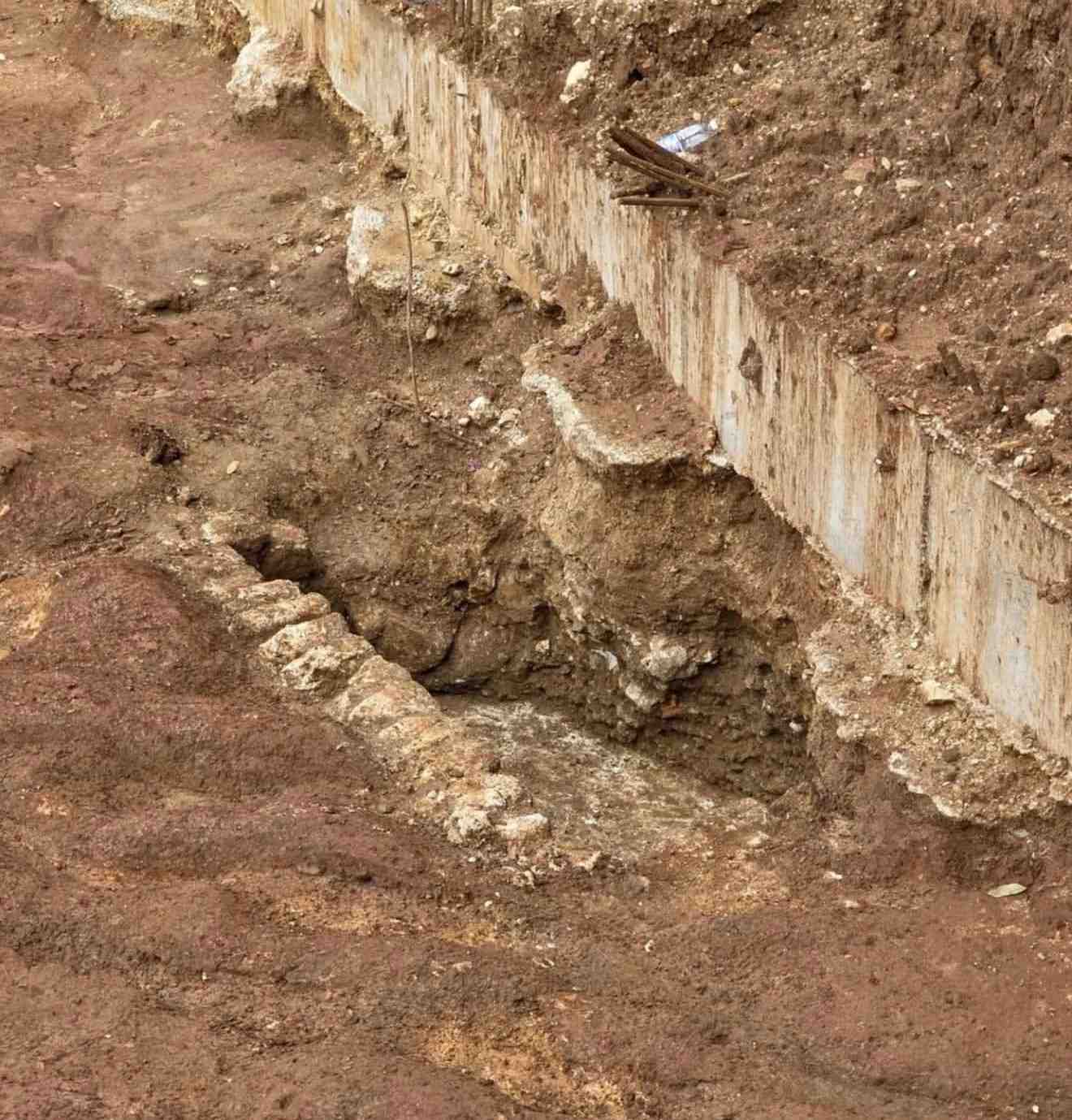
The cave, located in Tashea within Akkar Governorate, was uncovered about two months ago when a landowner clearing terrain for a road project moved a rock and exposed a hidden cavity.
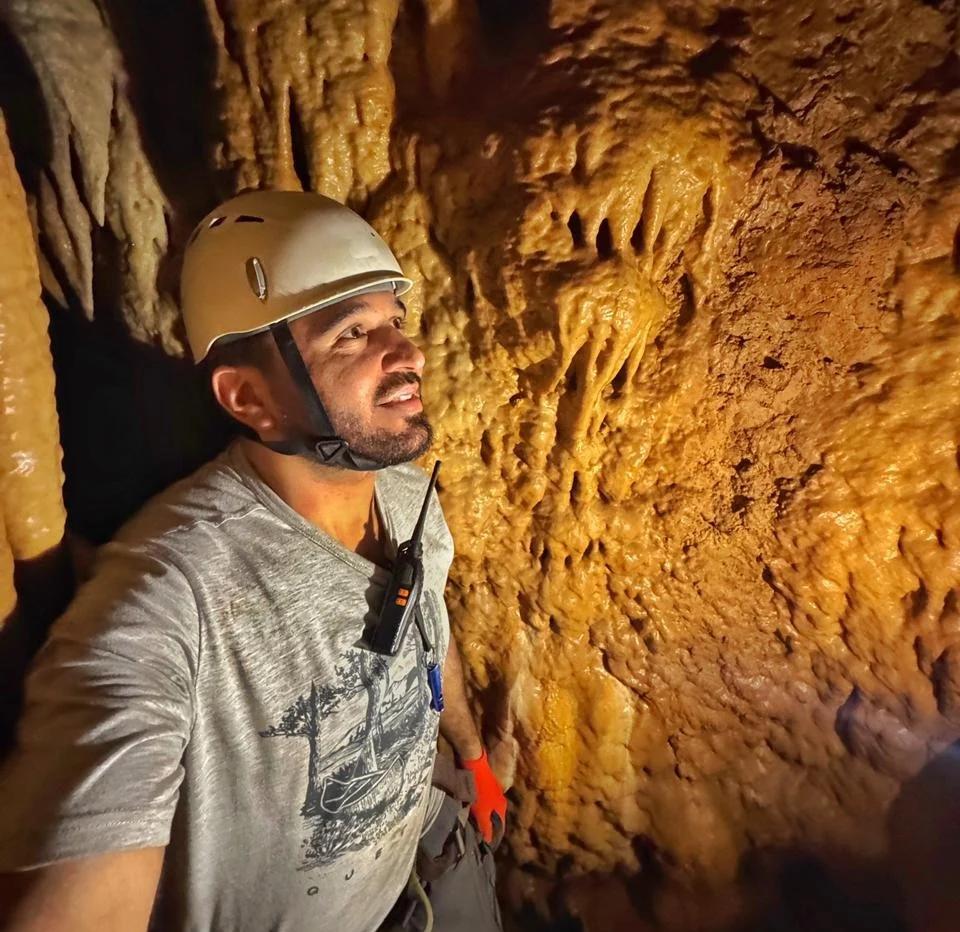
The discovery was immediately reported to the local ecotourism association Iktashef Akkar, whose members later conducted a controlled descent into the site using ropes and specialized climbing equipment.
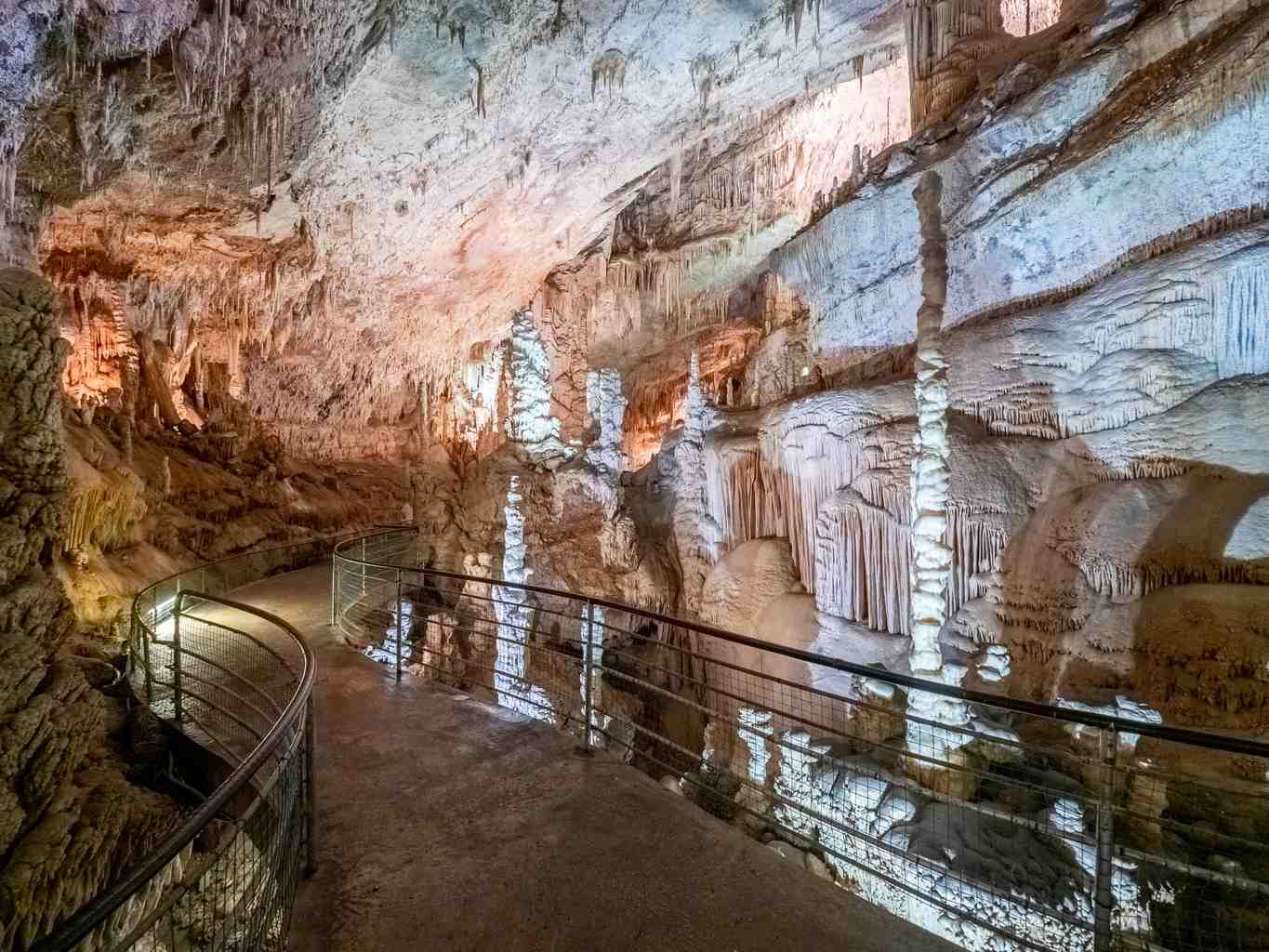
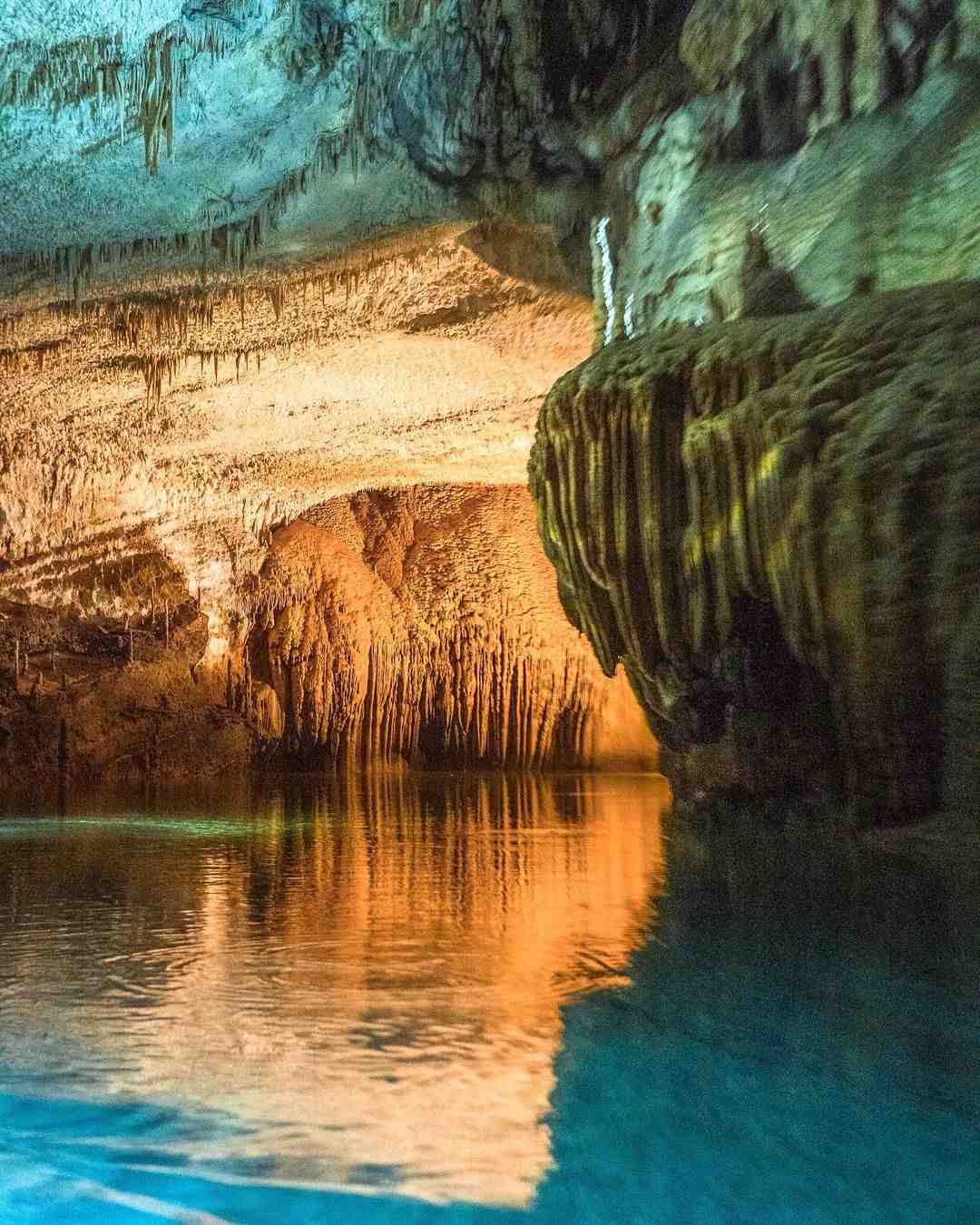
Initial exploration revealed a vertical sinkhole system with winding rocky passages and extensive limestone formations, including stalactites hanging from the ceiling and stalagmites rising from the cave floor. According to the team, the cavity can only be accessed through technical speleological equipment due to its depth and structure.
The association’s president said exploring the site was a first-time experience for the group in an unexplored sinkhole environment, despite prior cave exploration work in other parts of Akkar.
The team has since begun systematic surveying and documentation to assess the geological significance of the formation and evaluate its potential for controlled eco-tourism.
Early observations suggest the cave’s formations developed over long geological periods, shaped by water infiltration, mineral composition, humidity, and temperature variations in the limestone bedrock.
The discovery adds to Akkar’s reputation as one of Lebanon’s most biodiverse and least urbanized regions, characterized by dense forests, mountain landscapes, and archaeological sites spanning multiple historical eras.
Environmental advocates and development organizations, including UN-linked initiatives, have previously highlighted the region’s potential for sustainable mountain tourism as a means of balancing conservation with local economic development.
Further exploration and mapping are expected in the coming months.