LEBANON - Nearly nine in ten people in Lebanon live in urban areas. According to World Bank data, Lebanon’s population reached around 5.8 million in 2024, with 89.6% living in cities and towns. That means roughly 5.2 million people live in a small country with an area of only 10,450 km².
This is not just an urban planning number. It is a nature access problem.
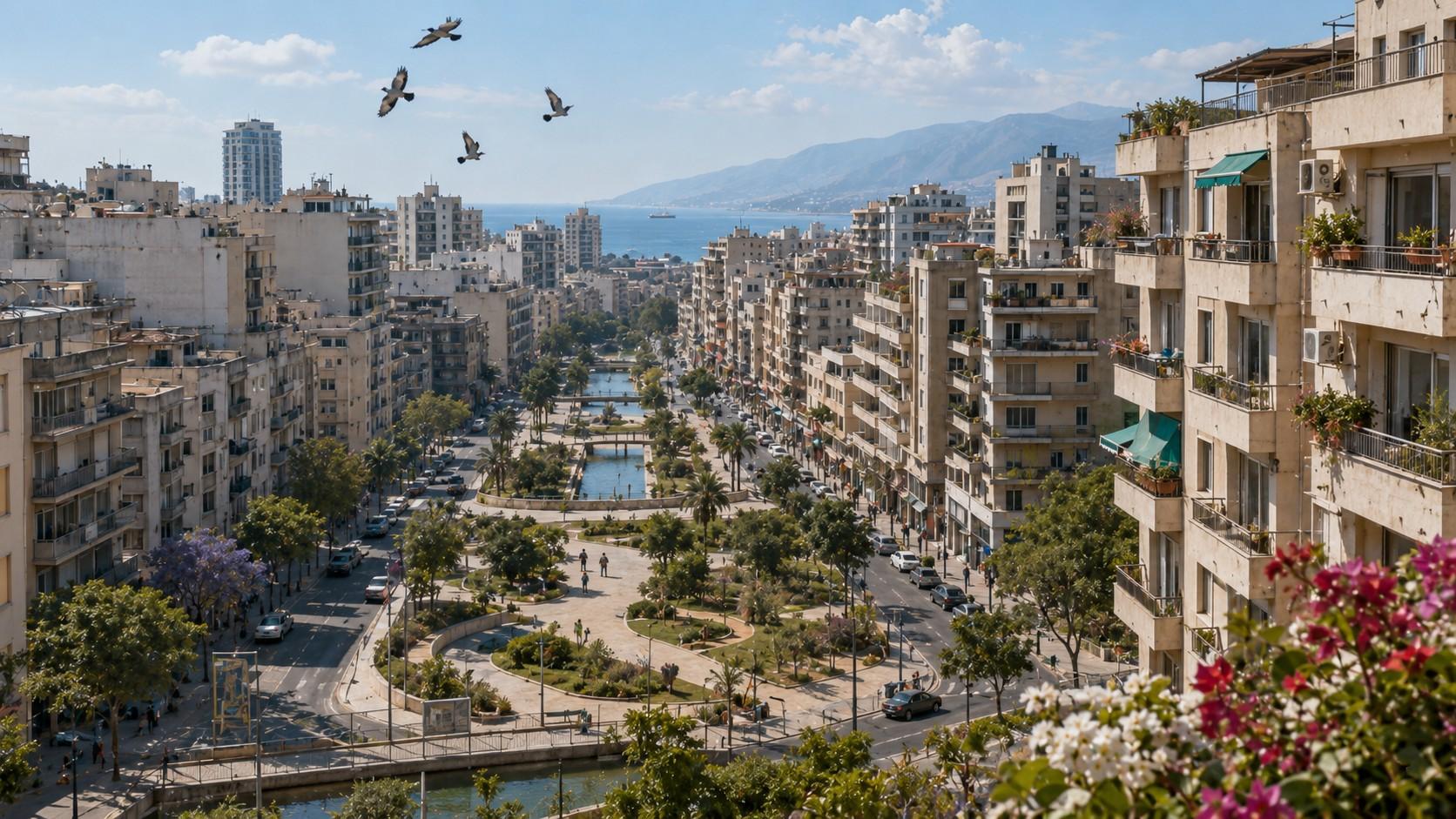
For many people in Lebanon, nature is no longer a forest, a valley, or a mountain trail. It is the tree on the sidewalk, the small garden between buildings, the river corridor behind concrete, or the few public parks still open to everyone.
When City Life Means Disconnecting From Nature
And here is the shocking part: in Beirut, a recent study found only around 0.8 m² of green space per person, with green areas making up just 11% of public spaces. This is far below what a healthy city needs.
So when we talk about biodiversity, we should not only look at forests and protected areas. We should also look inside the city.
Urban biodiversity means the living nature found in and around cities: trees, birds, insects, bees, butterflies, soil, gardens, rivers, wetlands, coastal spaces, and even planted balconies.
It may sound small. But it is not.
Urban nature cools the city. It cleans the air. It gives shade. It supports pollinators. It absorbs rainwater. It reduces flood risk. It gives people space to walk, breathe, rest, and meet.
In a country facing hotter summers, traffic, pollution, and shrinking public space, urban biodiversity is not decoration. It is infrastructure.
Lebanon’s own biodiversity strategies recognize the problem. The 2016 National Biodiversity Strategy identified chaotic urbanization as a major cause of habitat loss and fragmentation. The updated 2025 strategy goes further, calling for more green and blue spaces in dense urban areas, urban forestry guidelines, native plant species, shaded parks, and better integration of nature into city plans.
Some efforts already exist. UN-Habitat has supported public space rehabilitation, including Mina Public Park in North Lebanon. The Society for the Protection of Nature in Lebanon has pushed for the Beirut River Valley as an ecological corridor. The Lebanon Reforestation Initiative works on urban greening. Beirut RiverLESS planted more than 1,200 native trees and shrubs along the Beirut River.
But these efforts remain scattered.
If nearly 90% of people live in urban areas, then protecting biodiversity must become a city priority. Parks, trees, rivers, gardens, and green corridors are not luxuries.
They are part of the right to a healthier city.