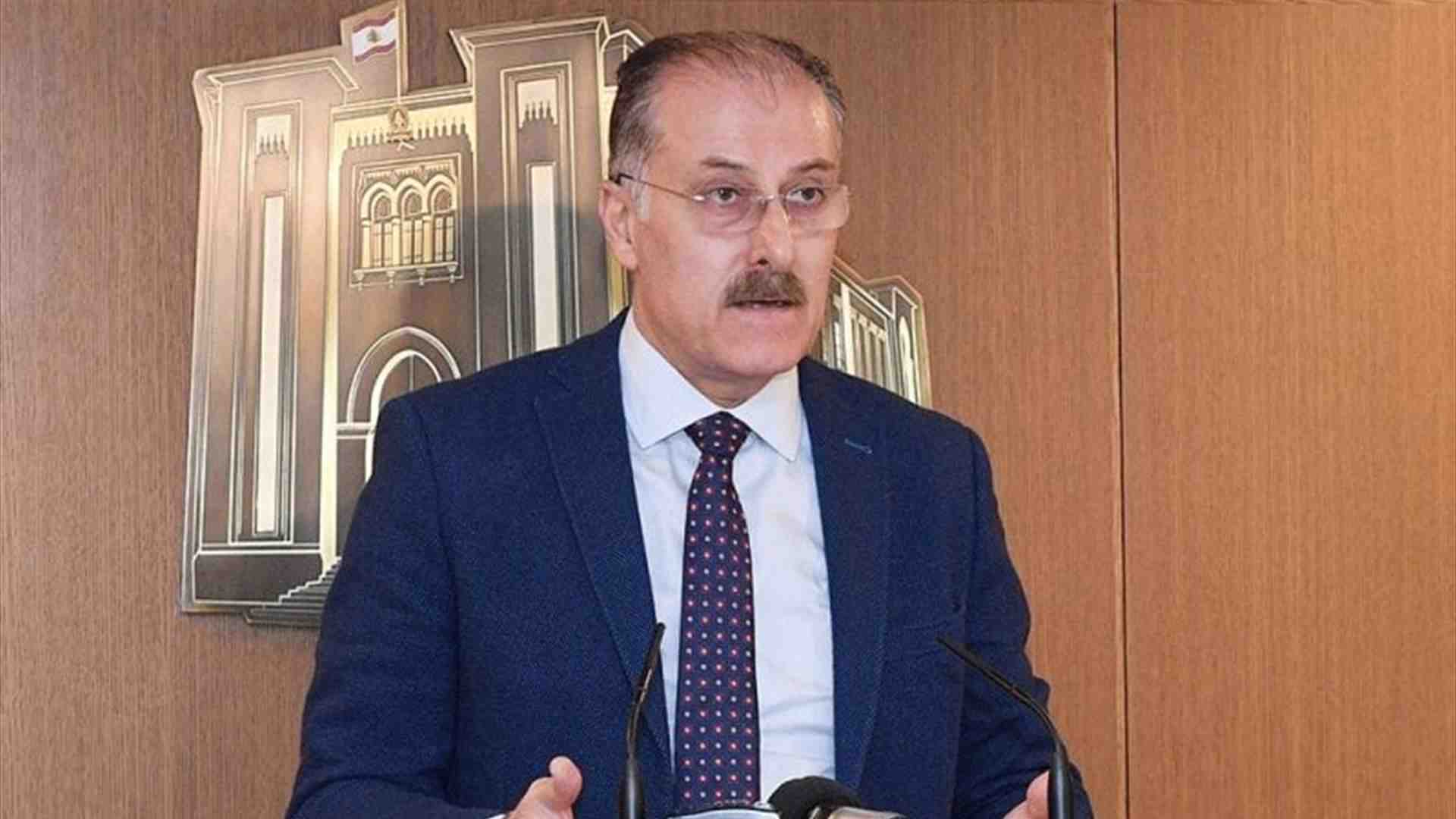


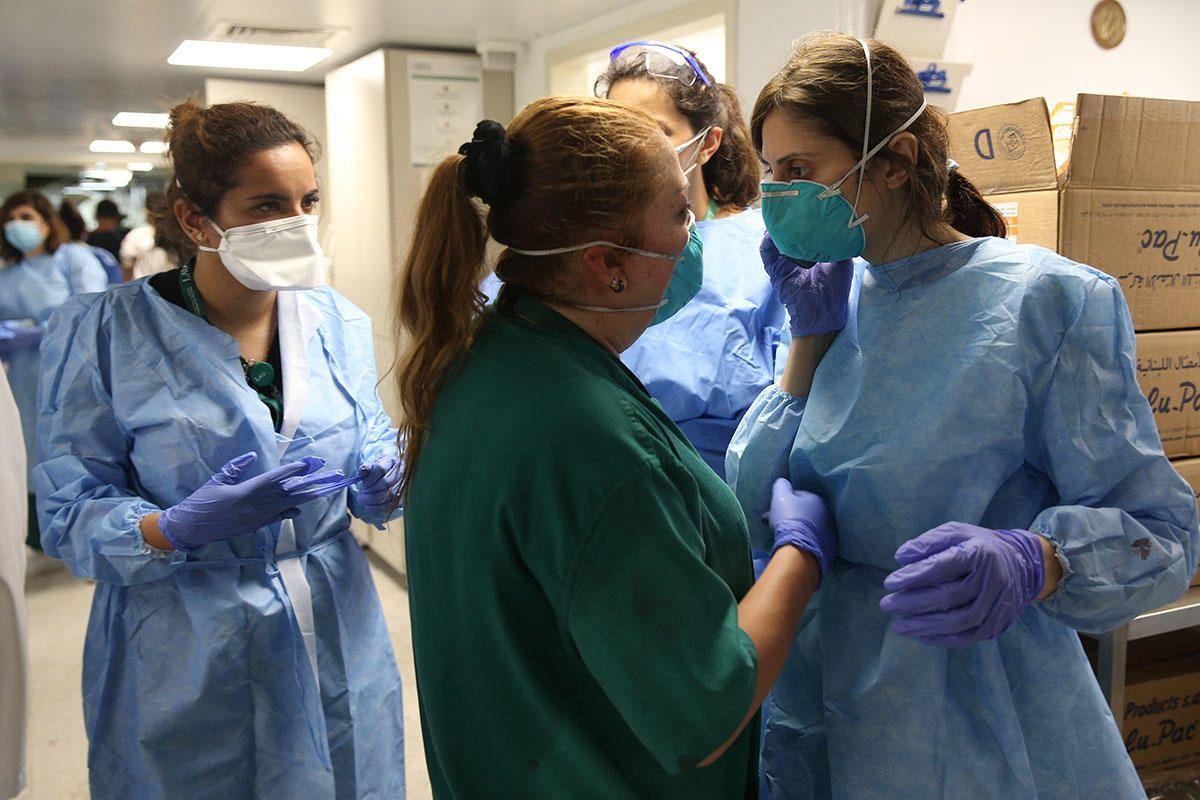
LEBANON - On International Nurses’ Day, Enmaeya spoke with Mrs. Abir Alameh, President of the Order of Nurses in Lebanon, to reflect on the current state of the nursing profession, the challenges facing nurses, and the reforms needed to strengthen the sector.
The conversation highlighted a profession that has evolved significantly over the past decade. In Lebanon, nurses are no longer viewed solely through the lens of bedside care. Their role has expanded to include specialization, leadership, governance, education, patient safety, and participation in broader health system development.
According to Mrs. Alameh, the Order of Nurses in Lebanon has been working continuously to elevate the profession and strengthen its institutional role. This includes building stronger bridges between nursing students and the Order, reviving professional societies, integrating digital care into nursing practice, and engaging with lawmakers to advance the legal recognition of specialized nursing roles.
At the center of these efforts is Law No. 221, which would allow registered nurses holding a master’s degree to be officially recognized as specialized clinical nurses within their respective fields. This step would help acknowledge the growing complexity of nursing practice and support the development of more specialized care pathways in Lebanon.
Beyond legislation, Mrs. Alameh emphasized that changing society’s perception of nursing must also begin within the profession itself. Nursing students and young professionals, she noted, need to recognize the value of their knowledge, skills, and scientific training, and understand that they are part of a strong and essential profession.
She also stressed the central role nurses play within hospitals and clinical teams. As she explained, “A team cannot function without its nurses.” This recognition is more than professional appreciation; investing in nurses is directly linked to improved patient safety, better quality of care, higher patient satisfaction, and stronger healthcare system performance.
For Mrs. Alameh, community awareness remains essential. The public needs a clearer understanding of what nurses do, the range of nursing specializations, and their role in primary healthcare, hospitals, and emergency settings. Greater awareness can lead to better care-seeking decisions and increased respect for the profession.
The discussion also addressed one of the most pressing challenges facing the sector: nurse migration. According to Mrs. Alameh, Lebanon continues to lose around 200 to 220 nurses every year, particularly experienced nurses and young graduates with around two years of practice. This ongoing loss places additional pressure on remaining staff, increases workloads, and affects the quality and continuity of healthcare services.
The departure of experienced nurses also results in the loss of mentorship, institutional knowledge, and specialized expertise. With fewer nurses carrying heavier responsibilities, the risk of exhaustion and professional strain increases, creating further challenges for hospitals and patients alike.
Looking ahead, Mrs. Alameh underlined the need for nurses to have a stronger role in governance and leadership, particularly in health policy and legislative discussions.
As she stated, “Nurses should be recognized as a major key player in health governance and should be present at the table at each discussion of a health policy or law.”
She also emphasized that healthcare institutions have a responsibility to provide safe and supportive working environments. This includes involving nurses in decision-making, recognizing their work, improving salaries and shift conditions, and creating opportunities for professional growth, continuous learning, and career advancement.
At the heart of the conversation was a clear message: investing in nurses is not only an investment in one profession, but in the safety, quality, and resilience of Lebanon’s entire health system.
As Mrs. Alameh concluded, “We are 24,000 nurses in Lebanon; working as a team and supporting each other means we can make a positive difference in our community.”
Nursing in Lebanon is evolving beyond bedside care into a central pillar of healthcare leadership and policy.
Yet persistent challenges such as migration and workforce strain continue to threaten system stability and quality of care.
Strengthening recognition, working conditions, and institutional inclusion is essential to sustaining the profession’s future impact.