

WORLD - The World Health Organization has declared the Ebola outbreak in the Democratic Republic of Congo a public health emergency of international concern, warning the virus could spread further across the region despite stopping short of classifying it as a pandemic-level emergency.
The outbreak, centered in the eastern province of Ituri, has resulted in around 246 suspected cases and 80 reported deaths, according to the WHO. Health officials said the outbreak is caused by the Bundibugyo strain of Ebola, for which there are currently no approved vaccines or treatments.
The WHO confirmed eight laboratory-tested cases across three health zones, including Bunia, the capital of Ituri province, and the mining towns of Mongwalu and Rwampara. One confirmed case has also been detected in the capital Kinshasa in a traveler returning from Ituri.
Neighboring Uganda has reported two confirmed infections, including a 59-year-old Congolese man who died after testing positive for the virus. Authorities said his body was returned to DR Congo. A separate Ebola case has also been confirmed in the eastern city of Goma, raising concerns over wider regional transmission.
WHO Director-General Tedros Adhanom Ghebreyesus warned that the true scale of the outbreak may be larger than currently known because of gaps in surveillance and insecurity in affected areas.
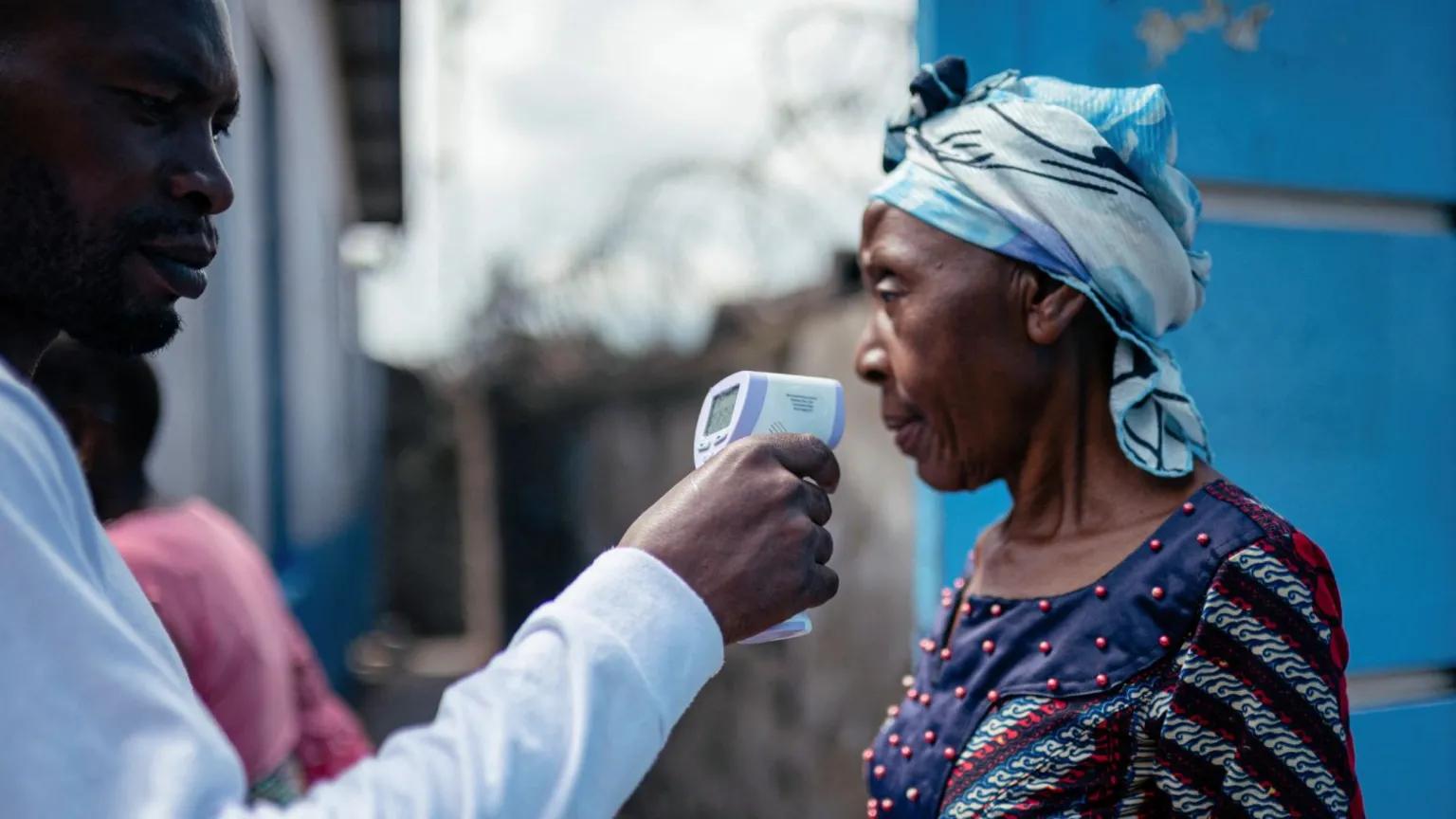
The WHO said factors including armed conflict, population displacement, mining activity, and weak healthcare infrastructure are increasing the risk of further spread. Countries bordering DR Congo, including Rwanda and Uganda, have stepped up border screening and surveillance measures.
Africa CDC chief Jean Kaseya urged communities to follow strict public health guidance, particularly during funerals, which have historically fueled transmission during previous Ebola outbreaks.
Ebola, first identified in DR Congo in 1976, spreads through contact with infected bodily fluids and has killed nearly 15,000 people across Africa over the past five decades.