

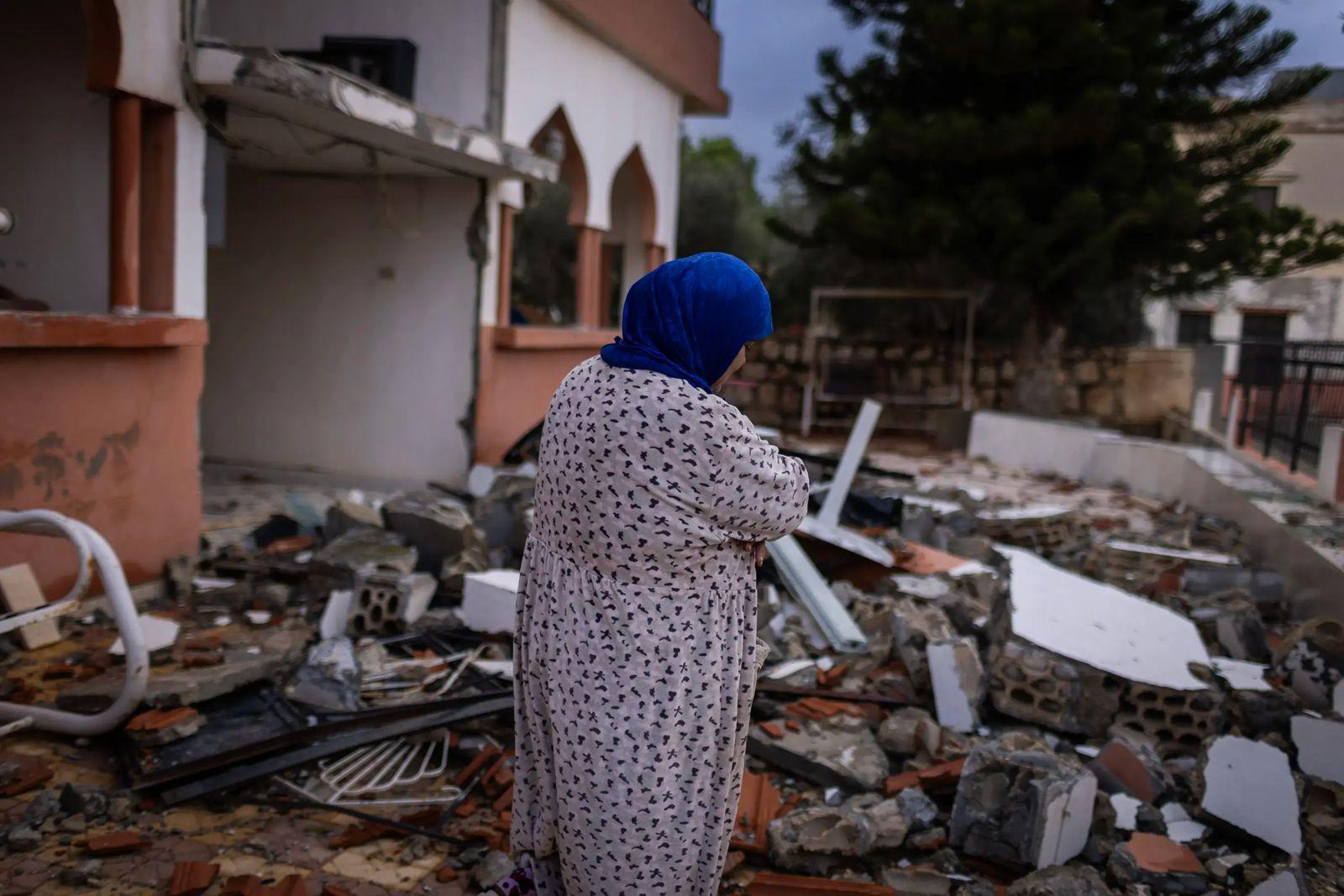
The Middle East – The United Nations Economic and Social Commission for Western Asia (ESCWA) and UN Women warned that the impacts of conflicts in the Arab region are worsening women’s conditions and undermining decades of development gains, particularly in the areas of security and economic participation.
In a joint policy brief titled “Conflict and its Impacts: Implications for Women’s Security and Economic Participation in the Arab Region”, the two organizations emphasized that women are disproportionately affected during conflicts, facing reduced employment opportunities, restricted mobility, limited access to essential services, and increasing economic and social pressures.
The brief noted that women are often the first to be excluded from the labor market during crises, warning that even small declines in female labor force participation could significantly set back gender equality efforts, especially in countries where participation rates remain below 30%, including Lebanon, Jordan, Iraq, and the State of Palestine.
It also highlighted that crises push many women into unstable forms of employment or complete withdrawal from the labor market, negatively affecting household resilience and slowing economic recovery amid declining financial inclusion and disrupted digital and financial infrastructure.
Mherinaz El Awady, Acting Deputy Executive Secretary of ESCWA for Programmes, stated that current conflicts are eroding hard-won gains in gender equality, while Mohamed El-Doreid, Regional Director of UN Women for Arab States, warned that without gender-responsive interventions, the consequences will have long-lasting effects on societies as a whole.
The brief called for urgent responses including protecting women’s jobs and income sources during crises, strengthening access to financial and digital services, integrating care services into recovery and response plans, and developing policies that incorporate gender considerations.