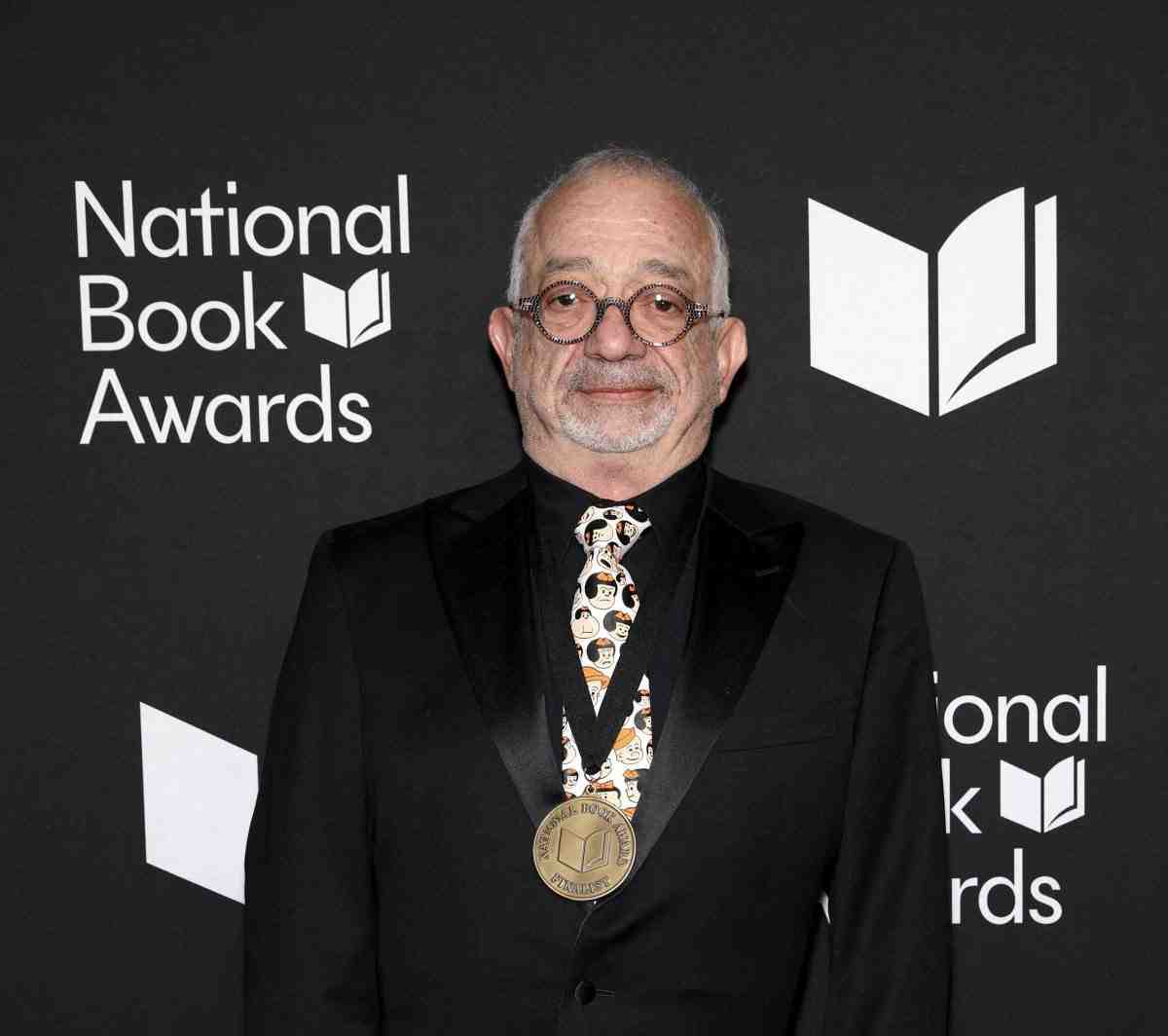




LEBANON - Following recent events in New York, where Lebanese writers were mistakenly identified as belonging to other nationalities on a memorial installation, questions of cultural recognition and identity have come back into focus.
The mistake, later corrected, was more than a simple labeling error: it reflected how easily Lebanese voices and contributions can be misrepresented or overlooked in global cultural spaces.
In this context, Lebanese literature offers an important reminder of the country’s rich and diverse intellectual and artistic presence. Across different generations and languages, Lebanese authors have written deeply about identity, memory, conflict, exile, and social change. Their work reflects a society shaped by war, migration, political instability, and ongoing transformation.
Rather than presenting a single image of Lebanon, these writers show a country made up of many experiences and perspectives. Their books help explain not only what has happened in Lebanon, but how it feels to live through it.
Here are some key works that reflect these themes.
Memory and the Impact of War
One of the strongest themes in Lebanese literature is the civil war and its long-term impact on people and society. Many writers return to this period not only to describe events, but to explore how memory itself works: how people remember, forget, or struggle to make sense of what happened.
Authors such as Elias Khoury and Hoda Barakat are often central to this literary landscape. Their novels deal with war, loss, and fragmented memory, showing how difficult it is to tell a complete or single version of history.
In their writing, Beirut often appears as a city shaped by layers of destruction and rebuilding, where the past is never fully separated from the present.
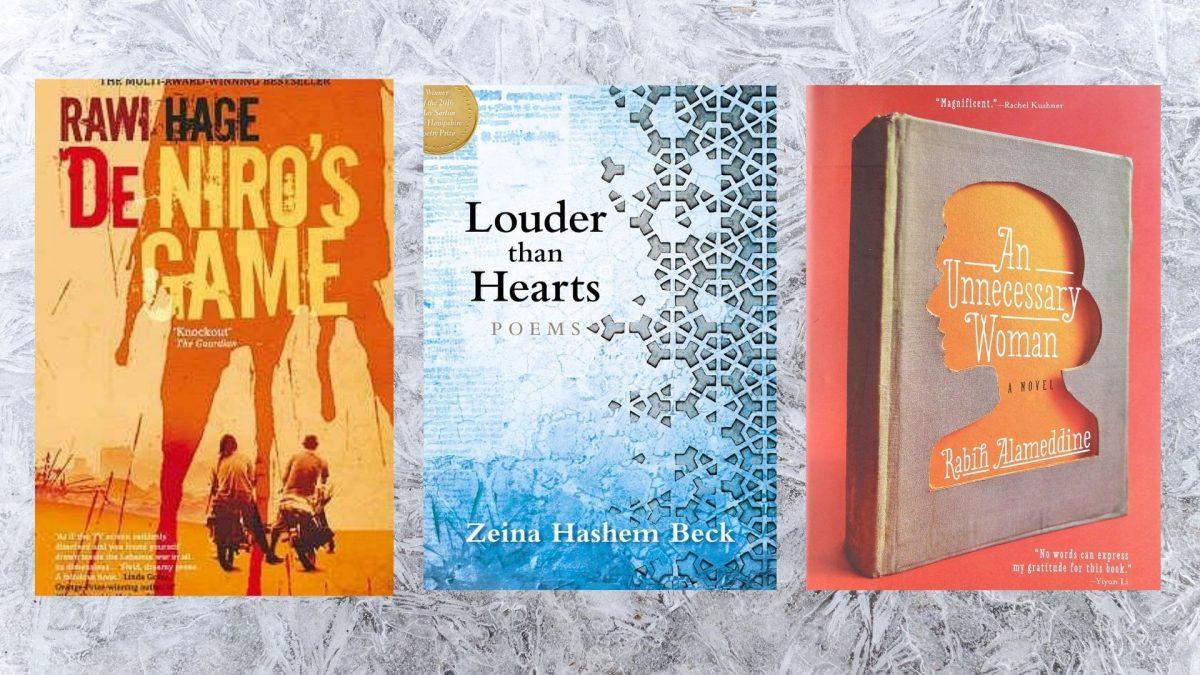
Rawi Hage and Rabih Alameddine also explore the effects of conflict, often through characters who move between Lebanon and life abroad. Their stories reflect emotional and psychological displacement, as well as the challenge of carrying memories of war into new countries and new lives.
Through these narratives, war is not only a historical event but an ongoing presence that continues to shape identity, relationships, and everyday life.
Identity and Social Change
Beyond war, many Lebanese writers focus on the way society is changing, especially around questions of identity, gender, and personal freedom. Their work often reflects a country where tradition and modern life exist side by side, sometimes in tension.
Rachid El-Daif is known for writing about social norms and the pressures of expectation in Lebanese society. His novels often challenge traditional ideas and highlight the conflict between personal desire and social rules.
Rabih Alameddine also explores identity in a deeply personal and often emotional way. His characters frequently resist fixed labels such as nationality, religion, or sexuality. Instead, they live in more fluid and complex spaces, reflecting the reality of many people whose identities cannot be defined in simple terms.
Other contemporary Lebanese writers also continue this exploration, addressing issues such as class divisions, gender roles, and the impact of rapid social change in a country that is constantly adapting.
Diaspora and Displacement
A large part of modern Lebanese literature is shaped by migration and diaspora. Many Lebanese authors live outside Lebanon, and this experience strongly influences their writing. Their work often moves between countries, languages, and cultures.
Writers like Rawi Hage show how Lebanon remains present even when people are far away. In his novels, characters often live between worlds, carrying Lebanon with them while also adapting to new environments. This creates a sense of in-betweenness, where identity is not tied to one place but spread across many.
This idea of displacement is also deeply present in earlier Lebanese literature. Kahlil Gibran, one of the most widely read Lebanese writers in the world, wrote in The Prophet about universal themes such as love, freedom, and belonging. Although written in English and embraced globally, his work reflects a philosophical search for meaning that is rooted in his Lebanese origins and his experience of migration.
Similarly, Mikhaïl Naimy, a key figure of the Mahjar literary movement alongside Gibran, explored questions of spirituality, identity, and human connection. In works such as The Book of Mirdad, Naimy reflects on inner transformation and the search for truth, ideas shaped by both Eastern and Western intellectual traditions.
Together, Gibran and Naimy show how early Lebanese diaspora writing helped shape global literature while still carrying the imprint of Lebanese cultural and philosophical thought.
Literature as a Way of Remembering
Taken together, Lebanese literature works as a form of cultural memory. It records experiences that are often missing from official histories or simplified public narratives. Through fiction and storytelling, writers preserve the complexity of lived experience.
In moments where cultural identity is misrepresented or reduced, as seen in the recent New York incident, these works become even more important. They remind us that identity is not a fixed label but something shaped by memory, place, and experience.
Lebanese literature shows that there is no single way to define what it means to be Lebanese. Instead, it is a collection of voices, stories, and histories that continue to evolve across time and borders.