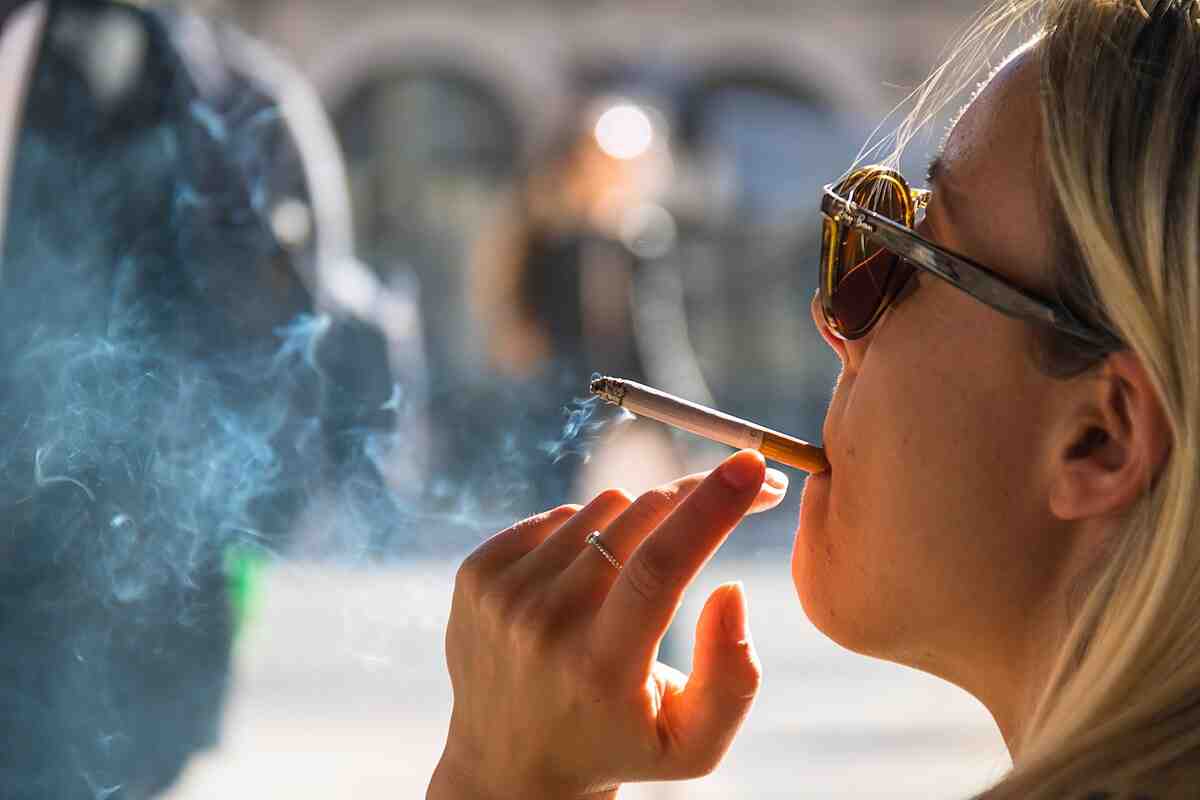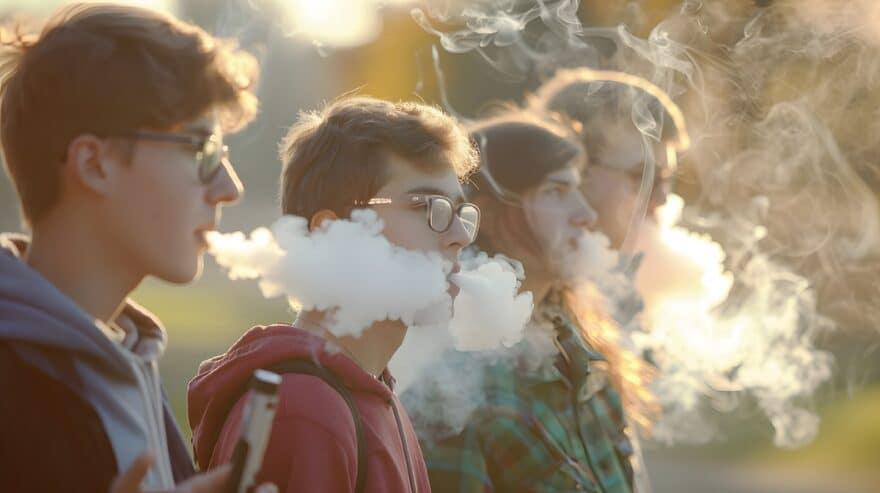
LEBANON - Ten years ago, a typical evening in many Beirut cafés meant one thing: tables of young people sharing shisha, often treating it less as “smoking” and more as a social ritual. Today, the image has changed but the habit has not disappeared. Alongside waterpipes, a new device has entered bags, cars, classrooms, cafés, and nights out: the vape.
For Lebanese youth, nicotine is no longer limited to cigarettes. It has moved through culture, design, and lifestyle. Shisha normalized smoking as a shared social activity, while e-cigarettes repackaged nicotine as flavored, modern, discreet, and seemingly less harmful.
This raises a public health question that goes beyond individual choice: have shisha and vapes become culturally accepted forms of nicotine use among Lebanese youth?
In Lebanon, available research suggests that vaping has already gained ground among young people. One study on e-cigarette use among youth in Lebanon found that 14.5% had used e-cigarettes at least once, while 8% reported current use in the past month.
The same study also found that many users were already cigarette smokers, waterpipe smokers, or dual users, which suggests that vaping may be part of a wider pattern of nicotine use rather than a separate habit.
What is the cultural significance of shisha?
For years, waterpipe smoking or shisha has occupied a different place in Lebanese society than cigarettes. Cigarettes are often associated with addiction, smell, and visible health warnings. Shisha, by contrast, has been framed as social, familiar, and even cultural. It is part of café life, family gatherings, long conversations, and late-night outings.
This social acceptance matters. When a harmful product becomes embedded in leisure and identity, young people may stop seeing it as a health risk and begin seeing it as a normal part of growing up.
Research has long shown that waterpipe use is particularly common in the Eastern Mediterranean region, including among young people. In fact, the prevalence of waterpipe smokers in Lebanon is as high as 46%, with social settings playing an important role in its spread.
Studies have shown that factors such as accessibility and affordability of shisha make it a very attractive choice for many tobacco users. This is reinforced by cafés and restaurants, where shisha is often promoted through offers, displayed as part of the experience, or suggested almost instantly once customers sit down. Over time, this visibility has helped turn shisha from an occasional practice into a normalized feature of youth social life.
What is the cultural significance of vapes or e-cigarettes?
E-cigarettes did not enter a nicotine-free youth culture; they entered a society where one form of nicotine use was already widely normalized. Vapes built on this acceptance but changed the format. They are smaller, more personal, more discreet, and easier to use repeatedly throughout the day.
Unlike shisha, which usually requires a café, a group, and time, a vape can be used quickly between classes, in a car, at a gathering, or even in private.
Studies have shown that colorful packaging, sweet flavors, and sleek devices have helped make vaping appear less like tobacco use and more like a lifestyle product, increasing its acceptability. Moreover, vapes are not perceived as harmful as traditional cigarettes.
This does not mean that shisha and vapes are identical. Their health risks, patterns of use, and social meanings differ. But they share one important feature: both can make nicotine feel acceptable. Shisha did this through tradition and sociability. Vapes do it through design, flavor, portability, and the language of “reduced harm.” In both cases, the danger is not only the product itself, but the public perception surrounding it.
Weak tobacco-control measures coupled with the wider cultural message has created a dynamic where youth are responding to the world around them.
Cafés that normalize shisha, markets that promote flavored vapes, peers who use them socially, and regulations that often fail to protect them. The more useful question is not “why are young people smoking or vaping?” but rather: why have we made nicotine so easy to accept?
Lebanon’s public health response needs to move beyond warning labels alone. Schools, universities, parents, municipalities, café owners, health professionals, and policymakers all have a role to play.
This includes stronger enforcement of smoke-free laws, clearer regulation of e-cigarette sales and marketing, youth-centered awareness campaigns, and honest conversations about addiction that do not shame young people but equip them with facts.
Shisha and vapes may look different, but both reflect the same underlying challenge: nicotine has learned how to adapt to culture. The question now is whether public health can adapt faster.