



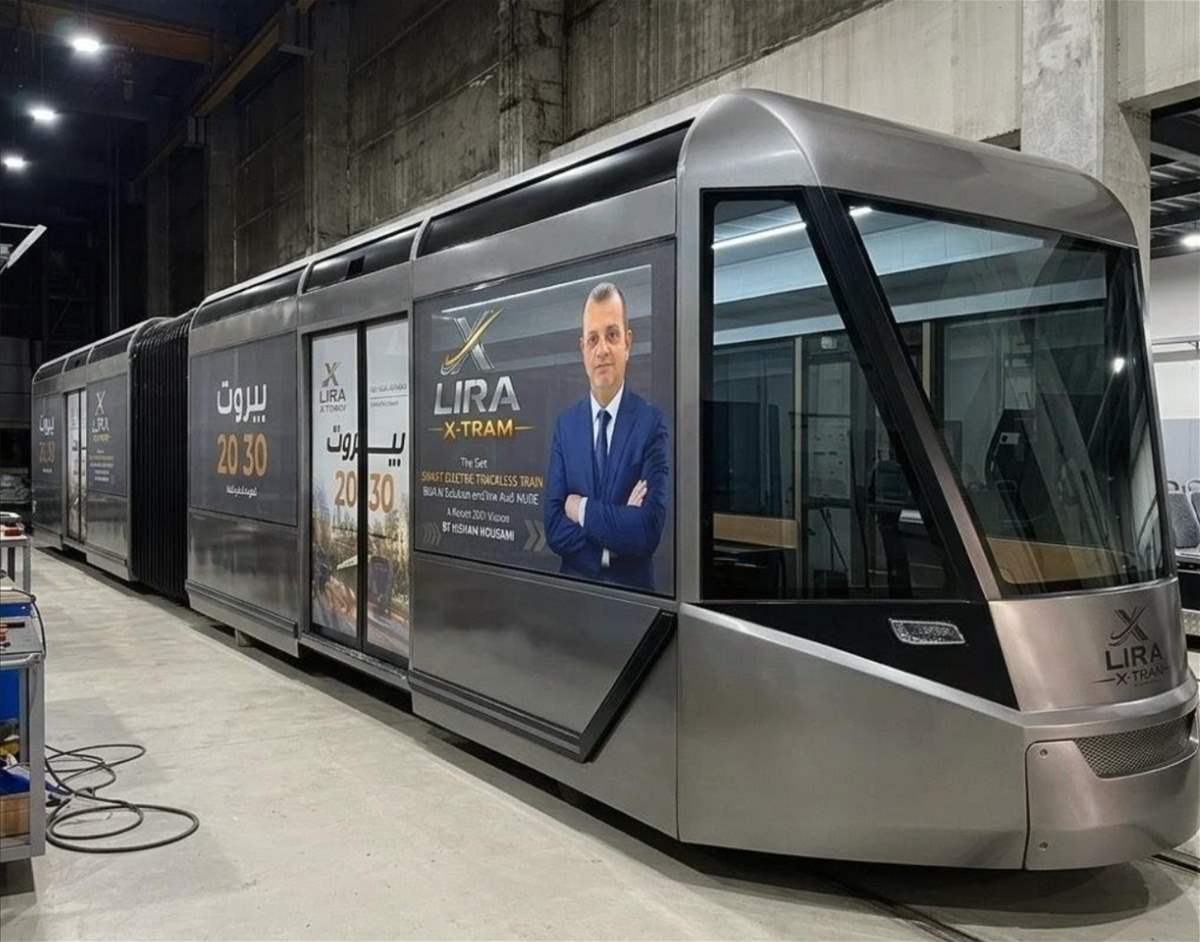
LEBANON - Lebanon is facing ongoing transportation challenges, while local initiatives are working on new and sustainable solutions. One of these is LIRA X-TRAM, a project that aims to introduce the first smart, trackless electric tram designed and manufactured in Lebanon and the Arab world.
The initiative aims to improve urban mobility through modern technology and provide a cleaner, more efficient public transport system.
In an exclusive interview with Enmaeya, Lebanese engineer Hicham Houssami outlined the vision, objectives, and future prospects of the project.
A Vision Rooted in Lebanese Innovation
According to Houssami, the idea behind LIRA X-TRAM stems from a firm belief in the capabilities of Lebanese engineers and industrial experts to develop advanced technological solutions despite the country's ongoing economic and infrastructural challenges.
"The project was born from the conviction that Lebanon possesses the technical expertise and industrial capacity necessary to move beyond consumption and toward genuine innovation and manufacturing. Our goal is to develop a locally produced smart electric tram that aligns with international standards and emerging trends in urban transportation," he said.
Houssami noted that Beirut's dense urban landscape and severe traffic congestion make conventional tram systems difficult and costly to implement. Consequently, the team opted for a trackless tram model, which offers greater flexibility, lower infrastructure costs, and easier integration into existing road networks.
Designed for Real-World Implementation
Houssami emphasized that the project is grounded in technologies already being adopted in several cities worldwide.
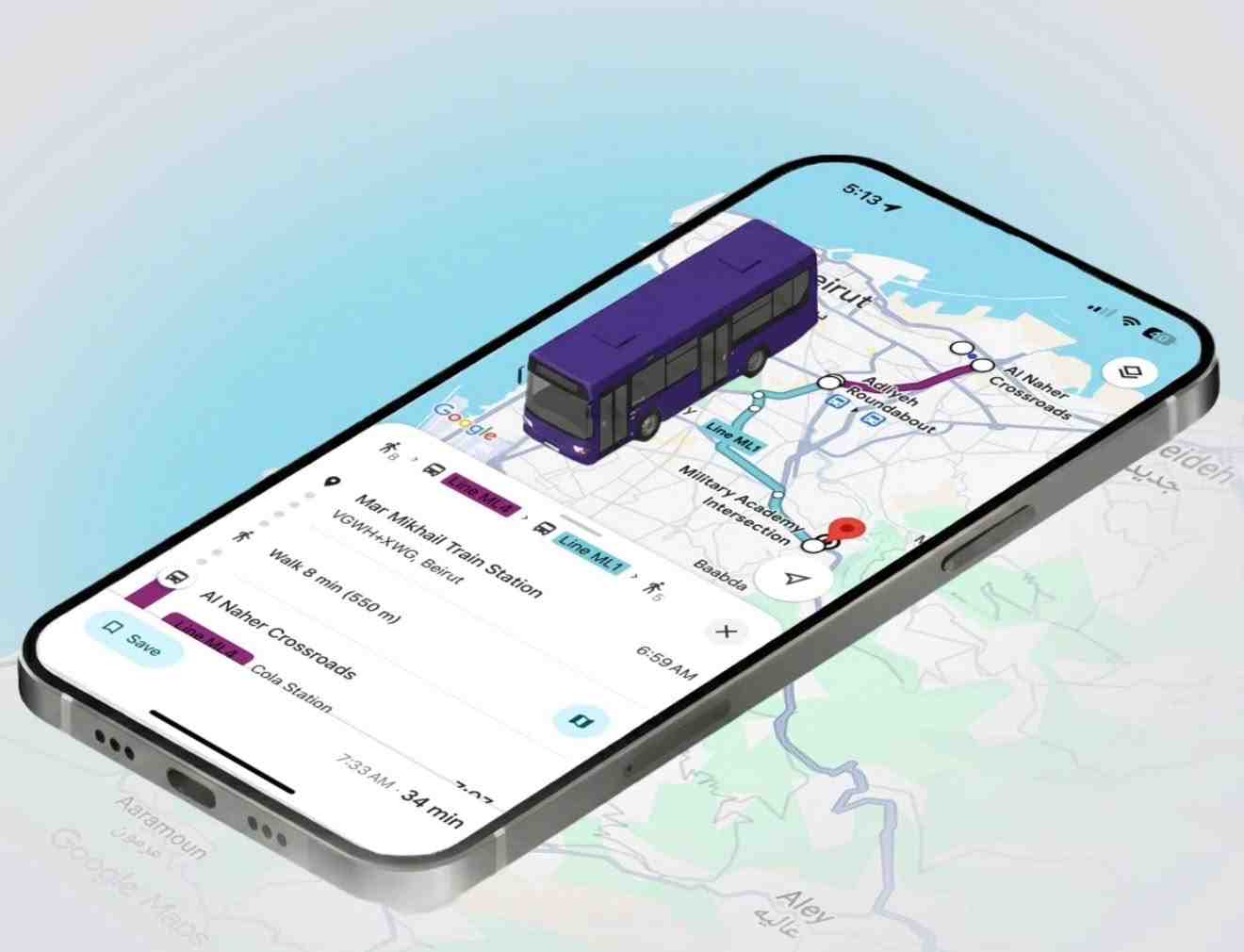
"We are developing a model specifically tailored to Beirut's urban environment, taking into consideration road conditions, traffic patterns, vehicle dimensions, and energy efficiency. Our vision is based on a phased implementation strategy supported by carefully planned routes throughout the capital," he explained.
While acknowledging challenges related to financing, sourcing specialized components, and establishing charging infrastructure, Hassami highlighted the progress achieved thus far through local expertise and determination.
Advanced Technology at the Core
The tram utilizes an intelligent electronic guidance system that eliminates the need for traditional railway tracks. Through a combination of sensors, digital navigation technologies, and centralized control systems, the vehicle is capable of maintaining precise route alignment and operational efficiency.
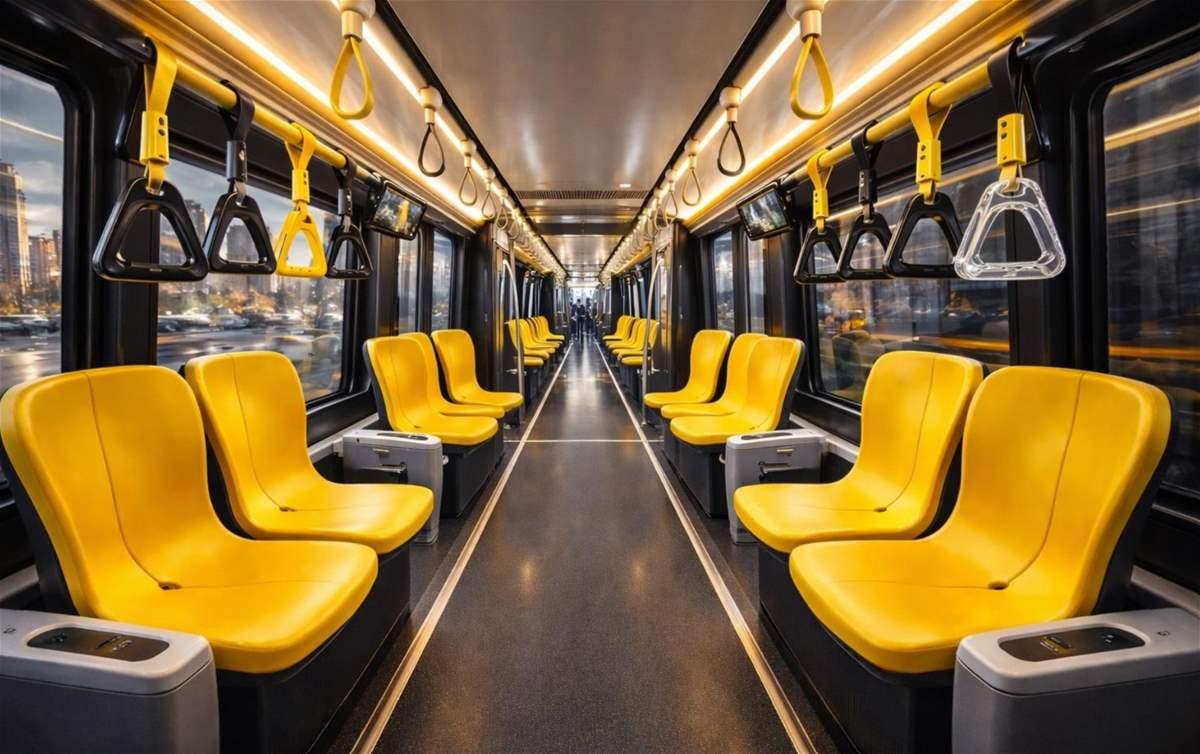
In addition, the tram is equipped with advanced energy-management systems, surveillance technologies, electronic braking mechanisms, and sophisticated safety sensors. Future development plans also include the integration of artificial intelligence to further enhance safety, efficiency, and smart-city connectivity.
Economic and Environmental Benefits
Houssami described the project as more than a transportation initiative, characterizing it as a broader economic vision designed to reduce transportation costs and improve mobility for citizens.
"Electric mass transit systems contribute to lower fuel consumption, reduced traffic congestion, and significantly lower operating costs over the long term compared to conventional transportation models," he stated.
From an environmental perspective, the project is expected to contribute to lower greenhouse gas emissions, improved urban air quality, and reduced noise pollution. Environmental sustainability remains a key consideration throughout the project's development process.
Supporting Beirut's Future Vision
Houssami believes that LIRA X-TRAM aligns closely with the broader concept of Beirut 2030, which emphasizes smart infrastructure, sustainable development, and technological advancement.
"We are not merely building a tram system; we are contributing to a broader vision for Beirut as a modern, innovative, and globally connected city," he said.
He also noted growing interest and encouragement from stakeholders who recognize the importance of modernizing Lebanon's transportation sector, expressing hope for expanded institutional partnerships in the future.
A Lebanese-Made Project with Regional Ambitions
One of the project's distinguishing features, according to Hassami, is that it has been conceived and developed entirely in Lebanon by Lebanese professionals.
"This initiative demonstrates that Lebanese industry is capable of entering highly advanced sectors such as smart mobility and electric transportation despite significant challenges," he said.
Looking ahead, the project team aims to position LIRA X-TRAM as a scalable and exportable model for countries seeking cost-effective and flexible alternatives to conventional tram systems.
Looking Toward 2026
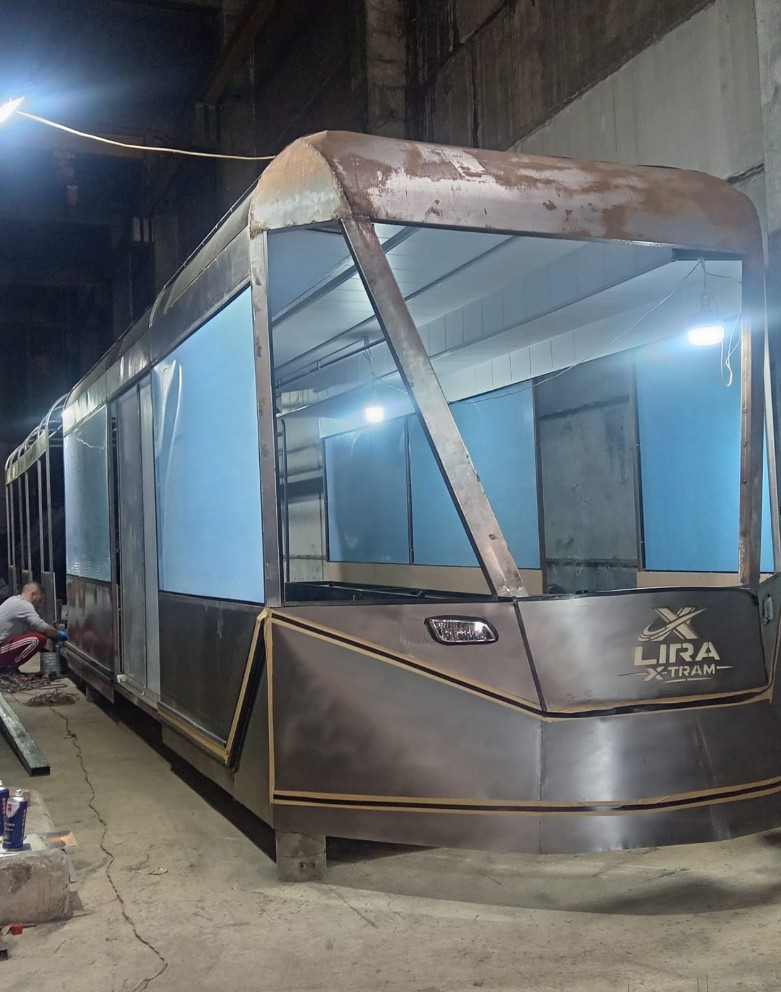
Houssami revealed that the project has reached an advanced stage of development, with plans to unveil the first operational prototype during a dedicated event in Beirut in 2026.
The next phase will focus on final manufacturing, comprehensive technical and safety testing, interior and exterior design refinement, and preparations for public demonstrations and pilot operations.
As Lebanon seeks initiatives capable of restoring confidence in local innovation and industrial capability, LIRA X-TRAM represents a bold step toward a smarter, cleaner, and more sustainable future for urban transportation in Beirut and beyond.