




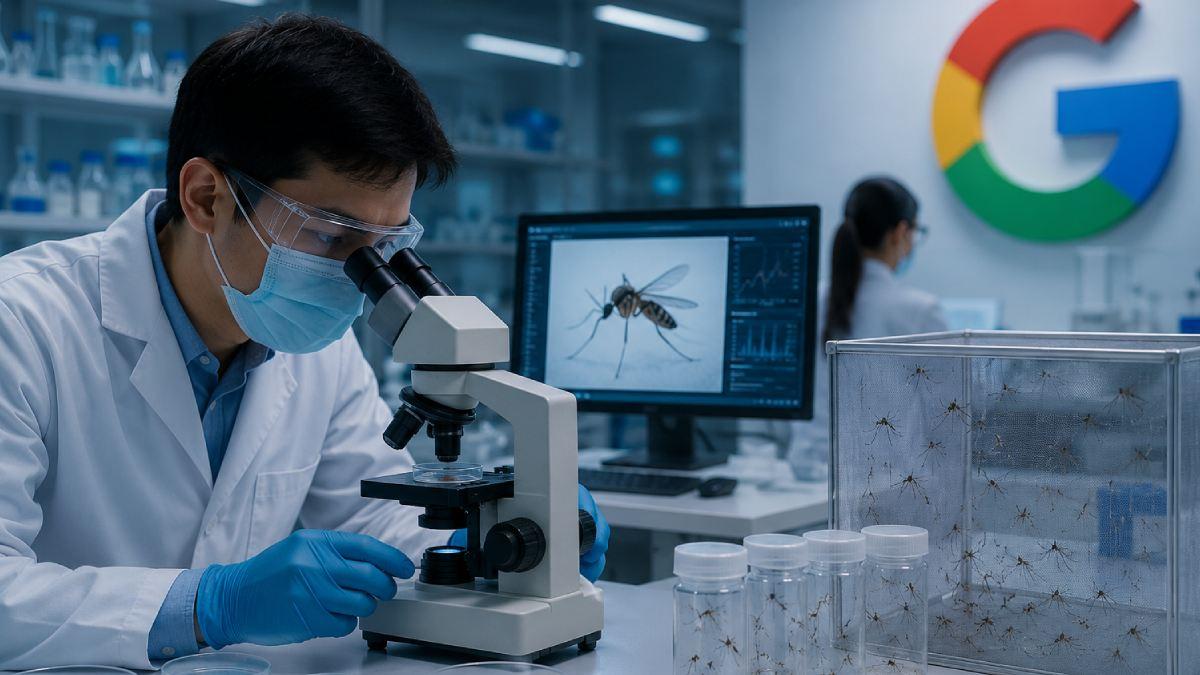
WORLD - Google is planning to release 32 million laboratory-modified male mosquitoes carrying a sterile bacterium in the states of Florida and California.
The goal is to fight deadly diseases transmitted by mosquitoes and reduce their population.
Details of the mosquito program
The company is currently seeking approval from the U.S. Environmental Protection Agency (EPA) to carry out this unusual project, which is part of its long-term research initiative “Debug.” This program focuses on developing innovative technologies to control mosquitoes without heavily relying on harmful chemical pesticides.
According to the proposal submitted to the U.S. Federal Register, the project will be carried out in two phases:
• Year one: release of 16 million sterile male mosquitoes in selected areas of Florida and California.
• Year two: release of another 16 million mosquitoes to complete the experiment, with no exact locations or start date announced yet.
How does it reduce mosquito populations?
The strategy involves injecting male mosquitoes with a natural bacterium called Wolbachia pipientis. When these modified males mate with wild females, the bacterium disrupts the eggs and prevents them from hatching, leading to a gradual decline in the mosquito population over time.
Male mosquitoes do not bite humans at all; only female mosquitoes bite and transmit diseases such as malaria, dengue fever, Zika virus, and yellow fever. Therefore, releasing millions of males will not increase mosquito bites.
The “Debug” initiative and the technology’s background
The “Debug” initiative was launched in 2014 as part of Google’s research arm to develop safe and effective solutions for mosquito-borne epidemics, which, according to the World Health Organization, affect hundreds of millions of people every year.
The “sterile insect technique” is not new; scientists have used it successfully for decades as an environmentally friendly alternative to pesticides. It has previously helped eliminate agricultural and animal pests such as the New World screwworm and the Mediterranean fruit fly.
With climate change and urban expansion, experts believe this technology will become a key tool in preventing the spread of epidemics to new regions.