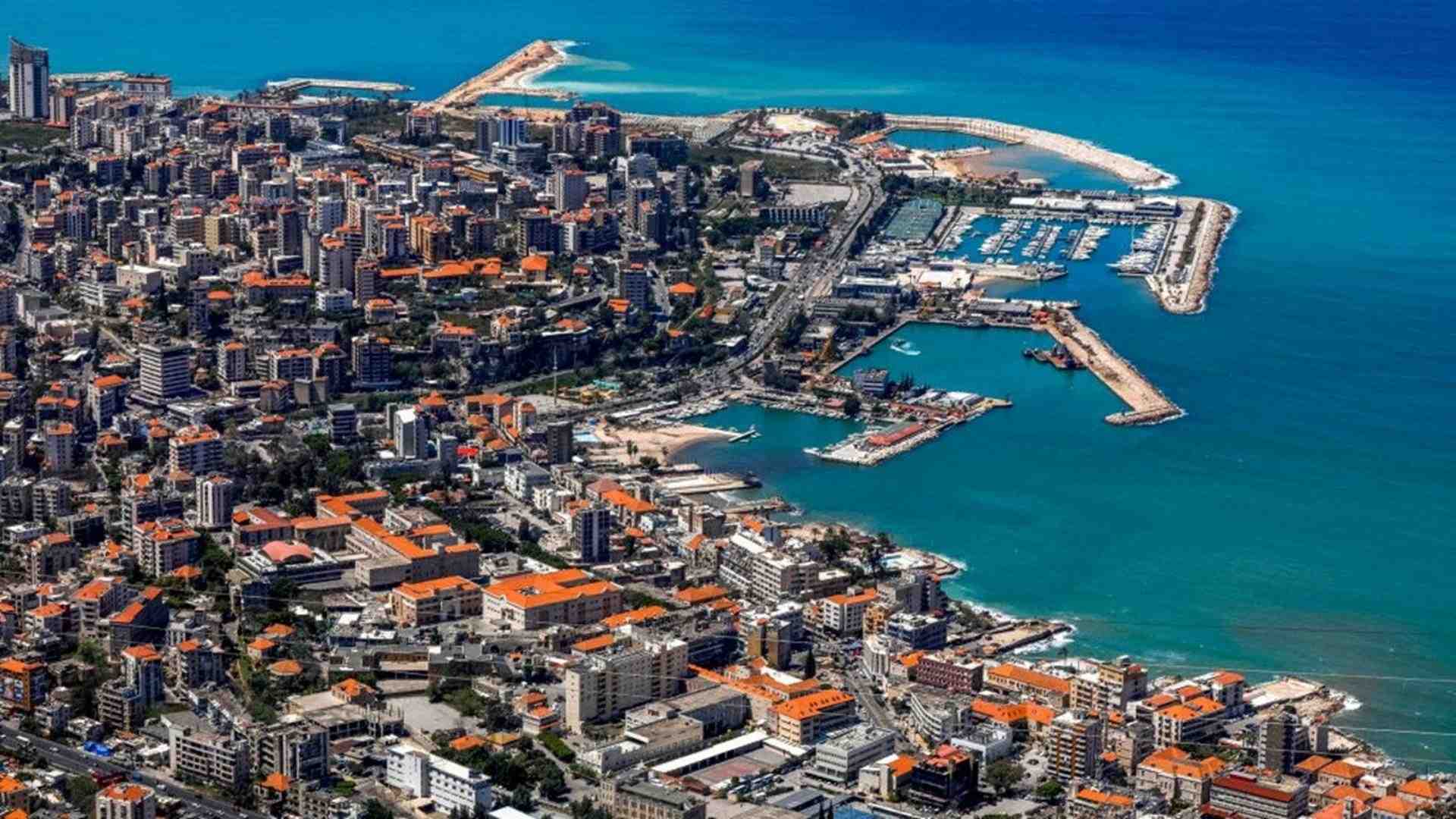


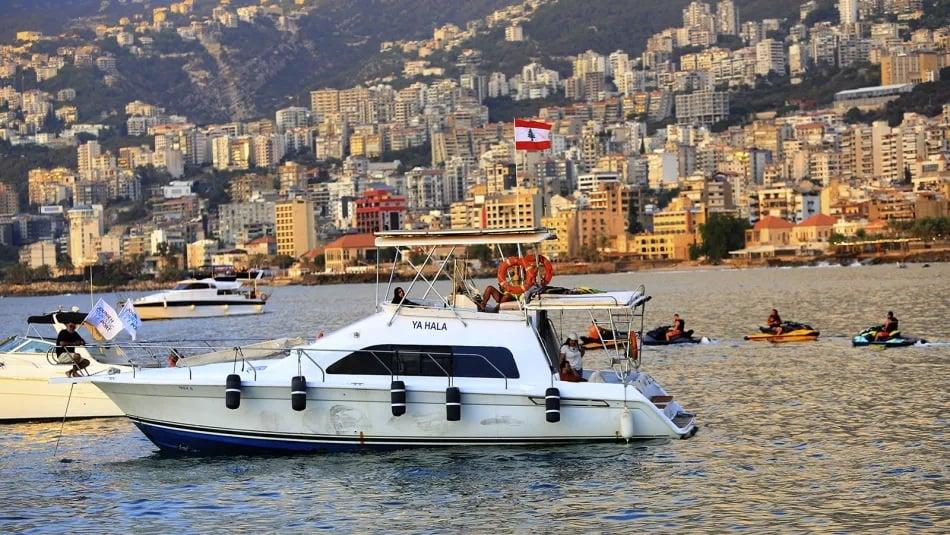
LEBANON – Jounieh Port is set to begin operating regular passenger sea trips starting June 10, heading to several regional destinations, in a move that highlights the potential of maritime transport.
The routes will include Larnaca in Cyprus, Mersin in Turkey, and Latakia in Syria, operated by a ferry with a capacity of around 350 passengers, with plans for regular trips throughout the tourist season.
Ticket prices are expected to range between $95 and $175 to Larnaca, between $165 and $275 to Mersin, and between $135 and $150 to Latakia, subject to adjustment based on operational conditions and seasonality.
Port Rehabilitation and Safety Standards
This development comes as part of the reactivation of Jounieh Port as a passenger and tourism hub after its official reopening in September 2025, following years of closure. The port has undergone infrastructure rehabilitation and upgrades in line with international maritime safety and navigation standards.
Authorities attribute the delay in launching the project to a set of administrative and logistical factors, most notably the completion of official approvals between Lebanon and Cyprus, extensive infrastructure rehabilitation works, and compliance with international safety and security requirements, including the ISPS certification.
Additional reasons include the need to finalize operational agreements with shipping companies and organize sailing schedules, as well as travel arrangements to Cyprus. Broader economic and political challenges, along with regional security tensions during periods of escalation, also impacted maritime operations.
Why Sea Transport Produces Lower Emissions
Maritime transport, particularly through ships and ferries, is considered a relatively more sustainable option compared to other modes of transport such as air and road travel.
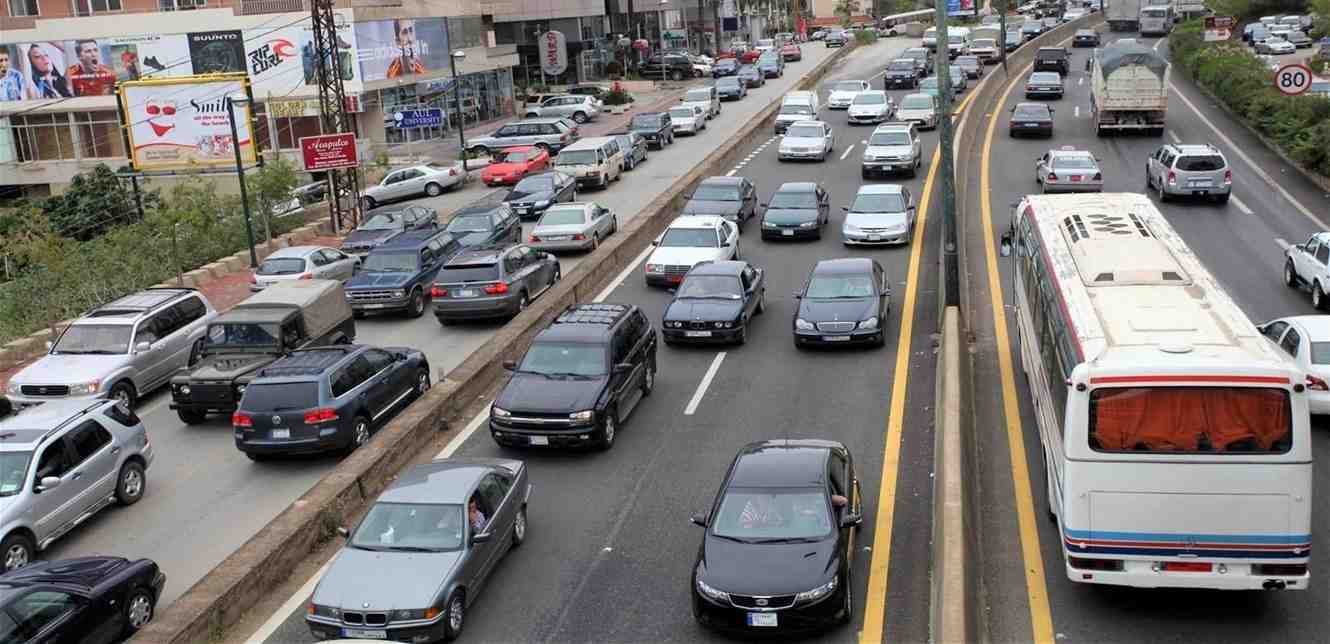
It offers lower emissions per passenger due to its high carrying capacity per trip and greater energy efficiency. It also helps reduce congestion on roads and at airports, indirectly contributing to lower overall emissions.
The sector is also seen as a candidate for future transition toward cleaner fuels and more efficient technologies, while serving as a practical alternative for short- and medium-distance travel in regions such as the Eastern Mediterranean.
However, maritime transport is not fully sustainable, as it still largely relies on fossil fuels, making it a “relatively more sustainable” option rather than a fully environmentally friendly solution.