

LEBANON - Saudi Arabia has officially lifted a five-year ban on imports from Lebanon, reopening one of the country's most important export markets.
The decision, announced on June 10, 2026, by Saudi authorities, allows Lebanese agricultural and industrial products to reenter the Saudi market after trade restrictions were imposed in 2021 over concerns related to drug smuggling through commercial shipments.
Saudi state news agency SPA said Crown Prince Mohammed bin Salman ordered the move in light of what it described as "positive steps" taken by the Lebanese state to strengthen oversight of exports and improve regulatory controls.
In a statement, Lebanese President Joseph Aoun welcomed the decision, describing it as an important development for Lebanon's economy.
"The reopening of the Saudi market will contribute significantly to revitalizing the national economy and supporting broad segments of Lebanese producers and exporters," President Aoun said.
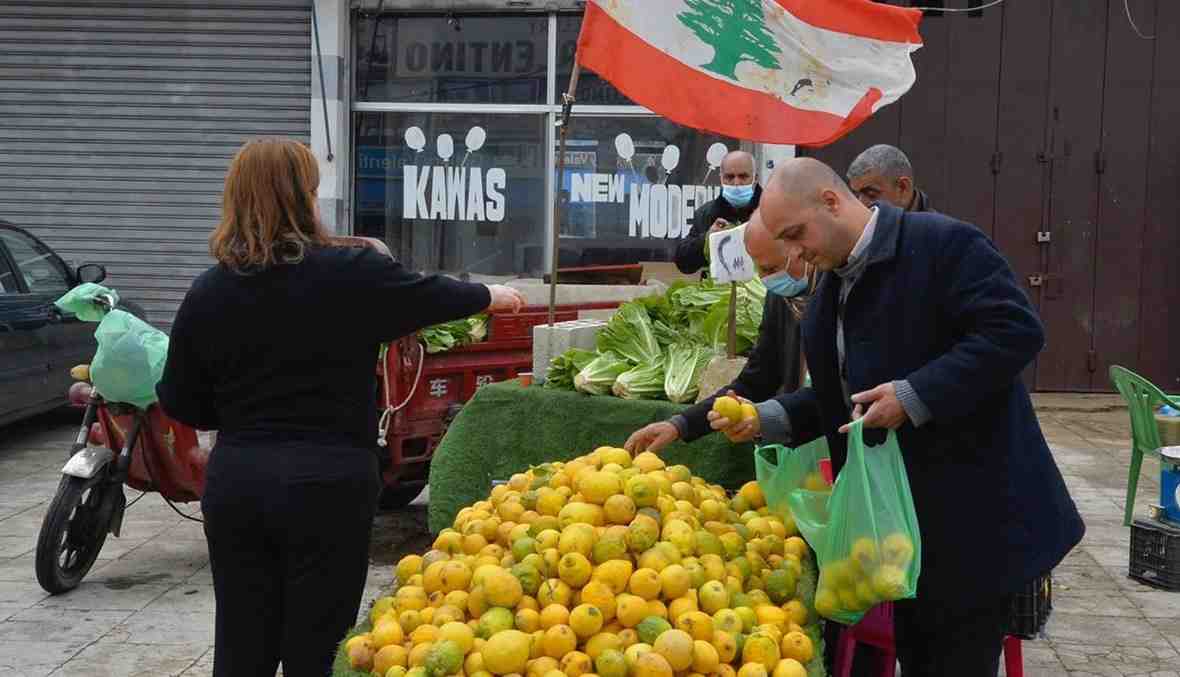
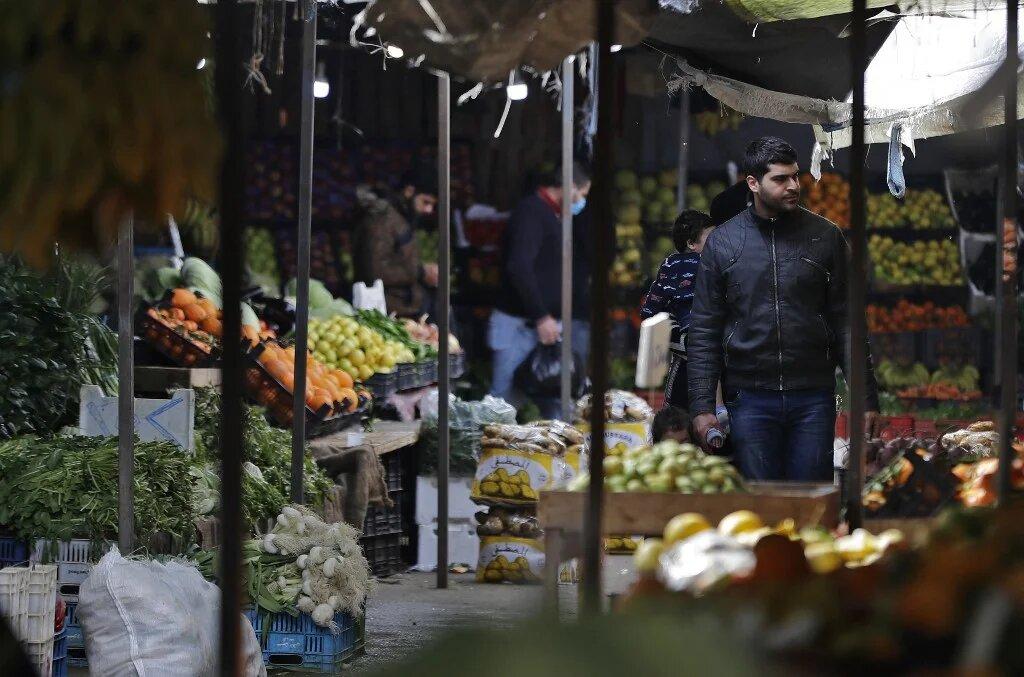
The Saudi market has long been a key destination for Lebanese exports, particularly agricultural products such as fruits and vegetables, as well as food products, manufactured goods and consumer items. Before the ban was imposed, exports to Saudi Arabia were estimated at around $240 million annually.
The restrictions had placed additional pressure on Lebanese businesses already grappling with a prolonged economic crisis, currency depreciation and rising production costs. Farmers and exporters were among the sectors hardest hit, losing access to one of the Gulf region's largest consumer markets.
In recent months, Lebanese authorities have introduced stricter measures to monitor exports and enhance inspection procedures at ports and border crossings.
During a phone call with Crown Prince Mohammed bin Salman last week, President Aoun stressed that Lebanon had adopted rigorous controls aimed at ensuring the safety and compliance of exported goods.
Business groups and economic observers welcomed the Saudi decision, noting that renewed access to the kingdom could help increase export revenues, stimulate production and create new opportunities for local industries.
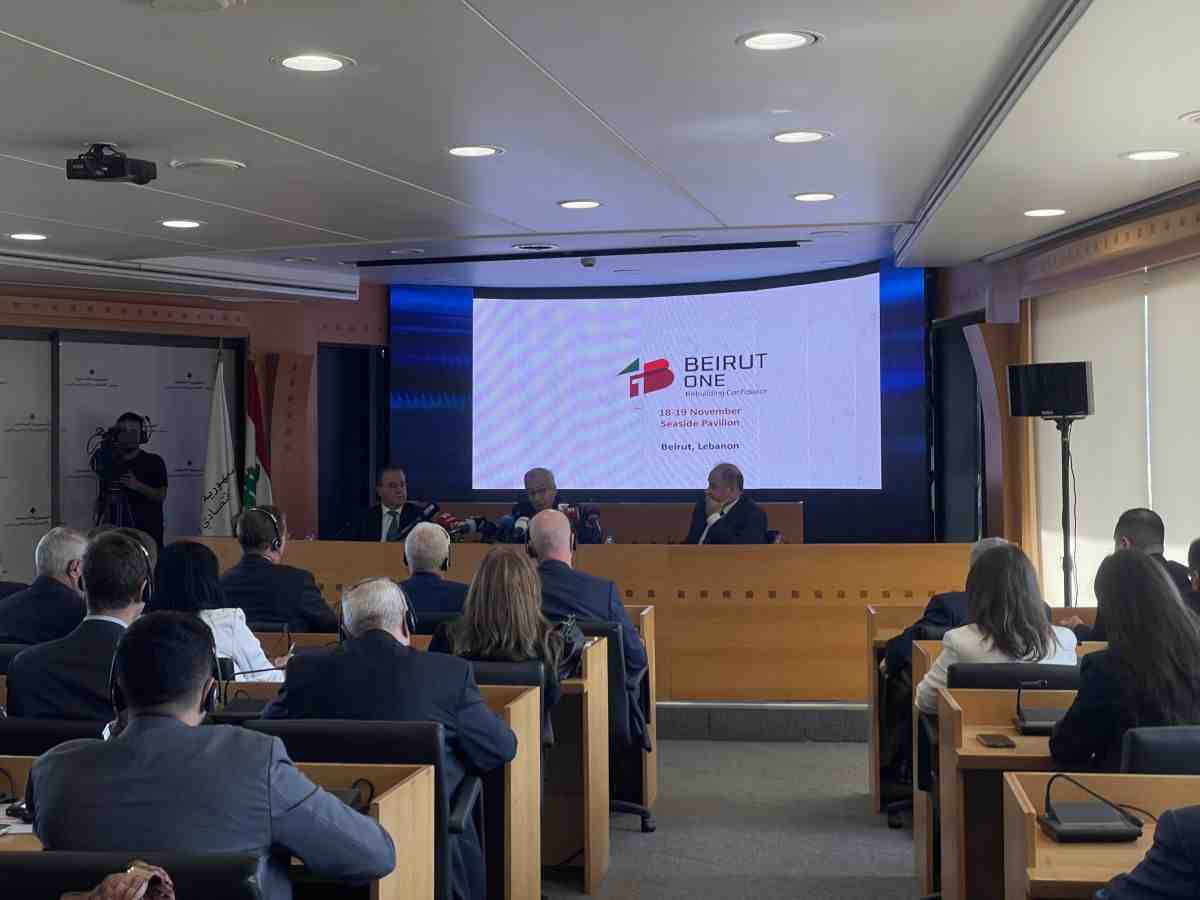
The move is also expected to strengthen trade relations between Lebanon and Gulf countries more broadly, at a time when the Lebanese government is seeking to attract investment, boost exports and support economic recovery.
The reopening of the Saudi market comes as Lebanon continues to pursue measures aimed at restoring confidence in its economy and expanding access to regional markets.
For exporters, particularly those in the agricultural sector, the decision offers an opportunity to reconnect with longstanding customers and rebuild commercial partnerships disrupted by years of trade restrictions.
While challenges remain for Lebanon's economy, the lifting of the ban marks a significant step for the country's export sector and is expected to provide fresh momentum for businesses seeking growth in the Gulf market.