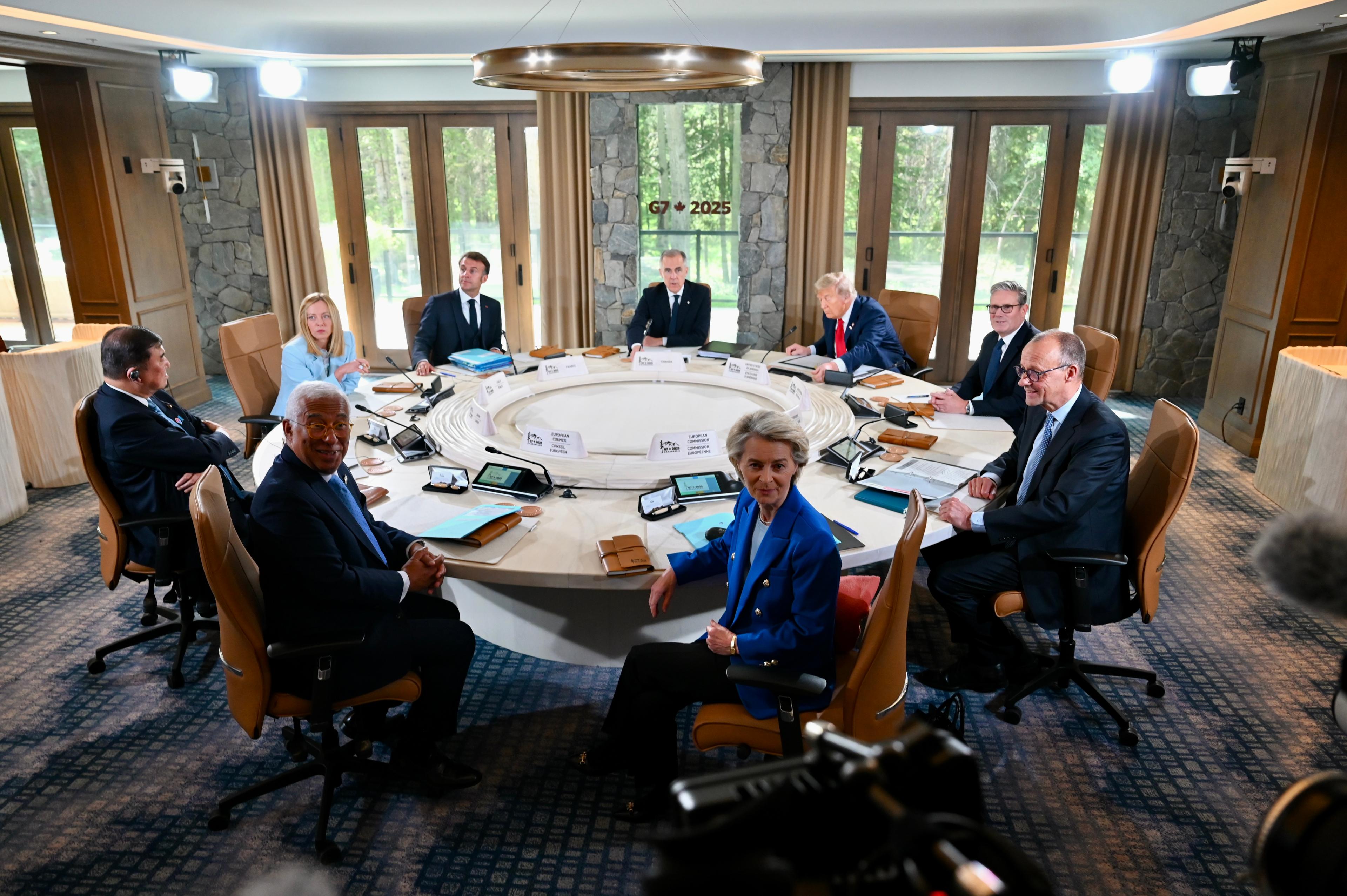
WORLD - The G7 will convene this summer under France’s presidency, with the 52nd Leaders’ Summit taking place in Évian-les-Bains from June 15 to 17, 2026.
France has placed the correction of global economic imbalances at the center of its presidency, highlighting the growing gaps between economies in savings, investment, production capacity, debt levels, and trade positions. Beyond economic imbalances, the agenda will also focus on strengthening critical mineral supply chains, addressing geopolitical crises including continued support for Ukraine, and renewing international partnerships.
France’s 2026 priorities aim to address some of the key pressures facing the global economy today, including unfair competition, industrial overcapacity, rising debt vulnerabilities, declining international solidarity, and limited private investment flows to developing economies.
President Emmanuel Macron has linked this agenda to the G7’s founding spirit at the 1975 Rambouillet Summit, which was created in response to global economic disruptions following the 1973 oil crisis. In this context, France is seeking to reshape development cooperation by moving beyond traditional official development assistance (ODA) toward more balanced and mutually beneficial partnerships that support long-term economic resilience.
What is the G7?
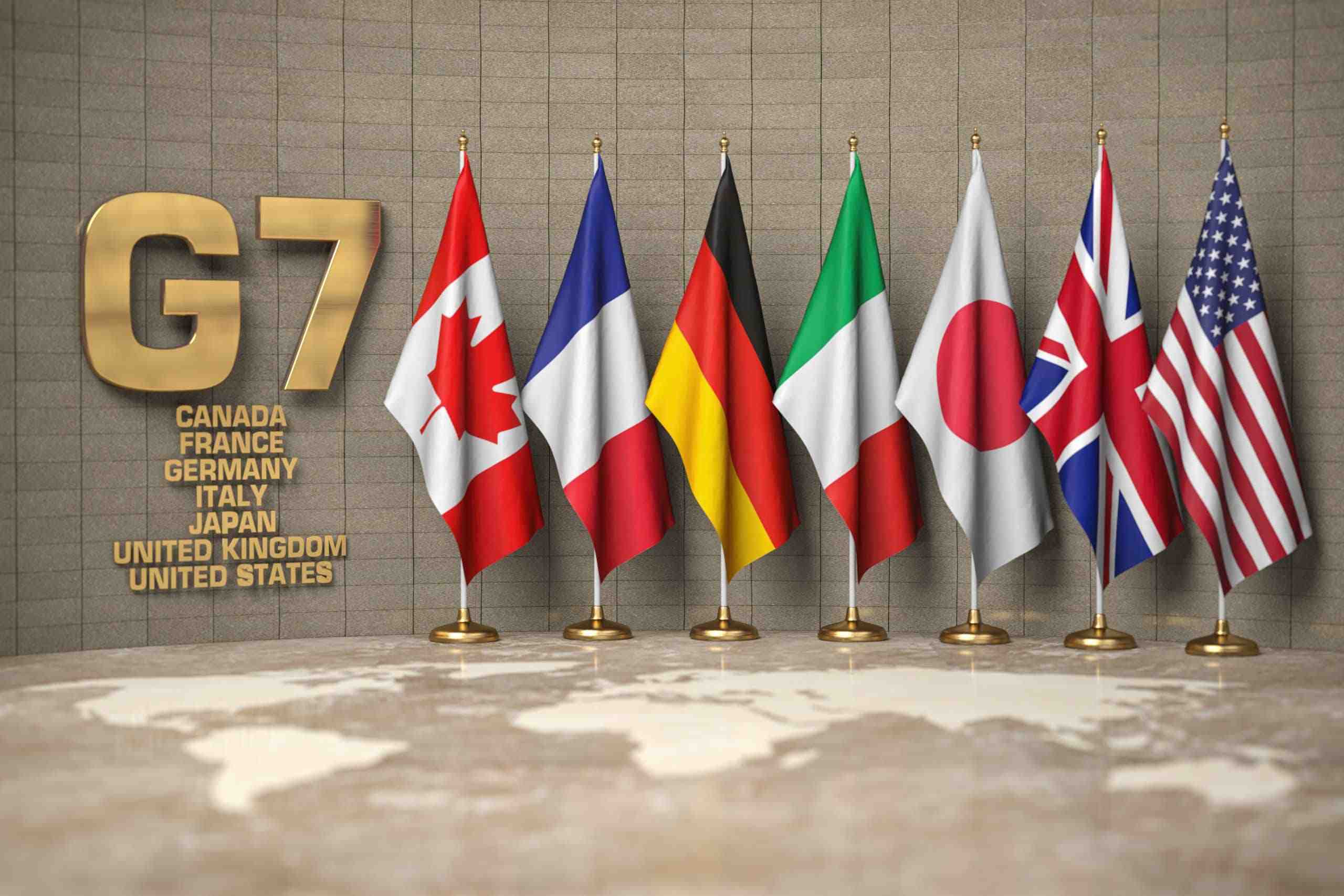
The Group of Seven (G7) is a forum bringing together seven of the world’s advanced economies: Canada, France, Germany, Italy, Japan, the United Kingdom, and the United States, alongside the European Union. Established in 1975, the G7 provides a platform for leaders to coordinate responses to major global economic and geopolitical challenges. While it does not have formal decision-making powers, its discussions help shape international cooperation on issues ranging from financial stability and trade to climate action, development, and global security.
Finance Ministers' Meeting
Ahead of the Leaders’ Summit, G7 Finance Ministers met virtually in March following heightened tensions in the Middle East and growing concerns over global energy security. Disruptions affecting transit through the Strait of Hormuz raised fears of instability in oil markets, prompting emergency discussions among G7 finance and energy officials on strengthening coordination and protecting global supply chains.
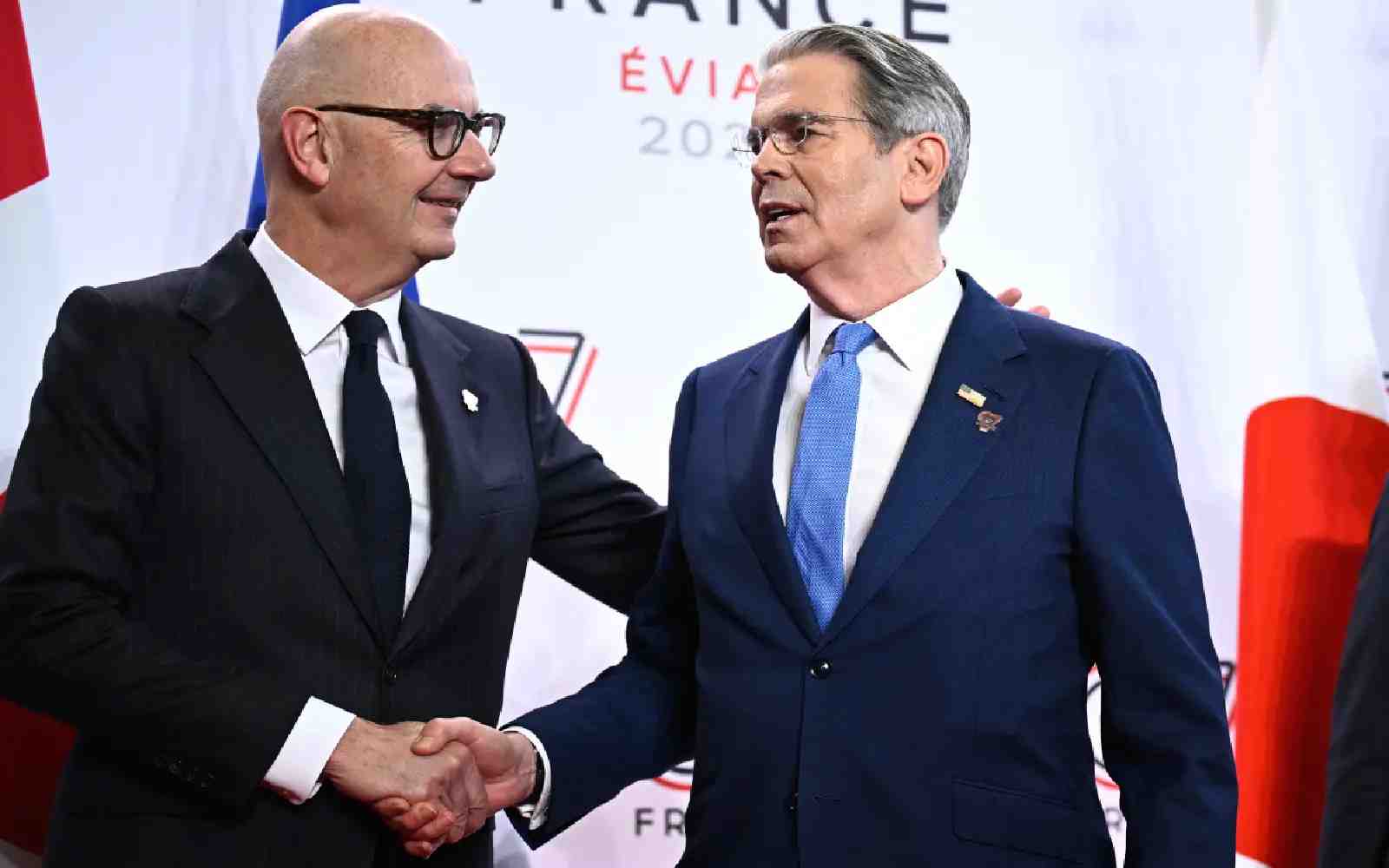
The G7 Finance Ministers and Central Bank Governors later officially convened on May 18, 2026, in Paris, France, alongside the heads of the International Monetary Fund (IMF), World Bank Group (WBG), Organization for Economic Co-operation and Development (OECD), and Financial Stability Board (FSB).
Discussions focused on key global economic priorities, including support for Ukraine, economic security, diversification of critical mineral supply chains, resilient e-commerce and stronger customs practices, financial stability, and sustainable growth. The agenda also emphasized renewing mutually beneficial international partnerships by strengthening domestic resource mobilization, public financial management, and data systems, while highlighting the role of private capital, multilateral development banks (MDBs), development finance institutions (DFIs), and national development banks in mobilizing investment and supporting long-term development.
A notable development was the participation of four partner countries — Brazil, India, Kenya, and South Korea — in parts of the Finance Track discussions for the first time. This expanded “G7+” format reflects efforts to strengthen engagement with emerging economies and broaden international cooperation.
Deliverables already announced
The Finance Ministers’ meeting outlined several priorities and initiatives expected to shape discussions at the Évian Leaders’ Summit.
A key outcome was the adoption of the G7 Principles for Mutually Beneficial Partnerships, emphasizing a shift toward development models built on shared priorities, stronger domestic capacities, and long-term economic resilience. This was accompanied by a joint Finance–Development Ministers statement on domestic resource mobilization, focusing on helping partner countries strengthen revenue systems, improve public financial management, and finance their own development priorities.
The April Development Ministers’ meeting also introduced several development-focused initiatives, including a framework to advance health sovereignty and sustainable health financing, support for the modernization of the OECD Development Assistance Committee (DAC), and a renewed G7 approach to developing strategic economic corridors.
On financial stability, ministers highlighted emerging risks linked to the expansion of private credit markets and their growing connections with banks and insurers. The G7 committed to further cooperation on monitoring these risks, alongside continued efforts to improve cross-border payment systems.
Critical minerals also emerged as a strategic priority, with the G7 advancing dialogue with multilateral development banks to strengthen responsible investment, diversify supply chains, and support partnerships with resource-rich countries.
More broadly, reforming the international financial architecture remains central to France’s presidency, building on the Paris Pact for People and the Planet (4P) launched in 2023, with a focus on making global financing systems more effective, inclusive, and responsive to development challenges.
Think7 (T7): Research Insights Supporting the G7 Agenda
Beyond government-level discussions, the G7 process is supported by engagement groups that bring together experts, researchers, civil society, and other stakeholders. Among them, the Think7 (T7) serves as the G7’s think tank engagement group, bringing together research institutions and policy experts to develop evidence-based recommendations for leaders.
Under France’s G7 Presidency, T7 researchers have released several solution papers addressing key development and financing challenges aligned with the broader G7 agenda:
“Towards a More Effective and Integrated Public Development Bank System” This paper examines how Public Development Banks (PDBs) can work more effectively together to mobilize financing for sustainable development. It highlights the need for stronger coordination, improved governance, and better alignment between local, national, and international development finance institutions.
“Enhancing Insurability Against Natural Disasters” This paper focuses on strengthening financial resilience against climate-related disasters by improving insurance systems, risk-sharing mechanisms, and partnerships between governments, insurers, and financial institutions to better protect vulnerable communities and economies.
“Standardizing and Strengthening Accountability for Biodiversity Finance” This paper addresses the need for clearer standards and reporting systems to track biodiversity-related financing. It highlights the importance of transparency and accountability to ensure financial commitments effectively contribute to protecting ecosystems and supporting sustainable development.
Together, these papers reflect a broader shift in the global development agenda: moving beyond financing commitments alone toward building stronger institutions, improving coordination, and ensuring that financial resources deliver measurable impact.
As the G7 Leaders’ Summit convenes this week, global attention turns to how these discussions will shape future cooperation on economic stability, development financing, and shared global challenges.