



LEBANON – Oxfam in Lebanon has released a new report titled Digital Needs Assessment Report: Through the Eyes of the Community, dated 11 June 2026, highlighting the growing needs of populations affected by multiple overlapping crises in the country.
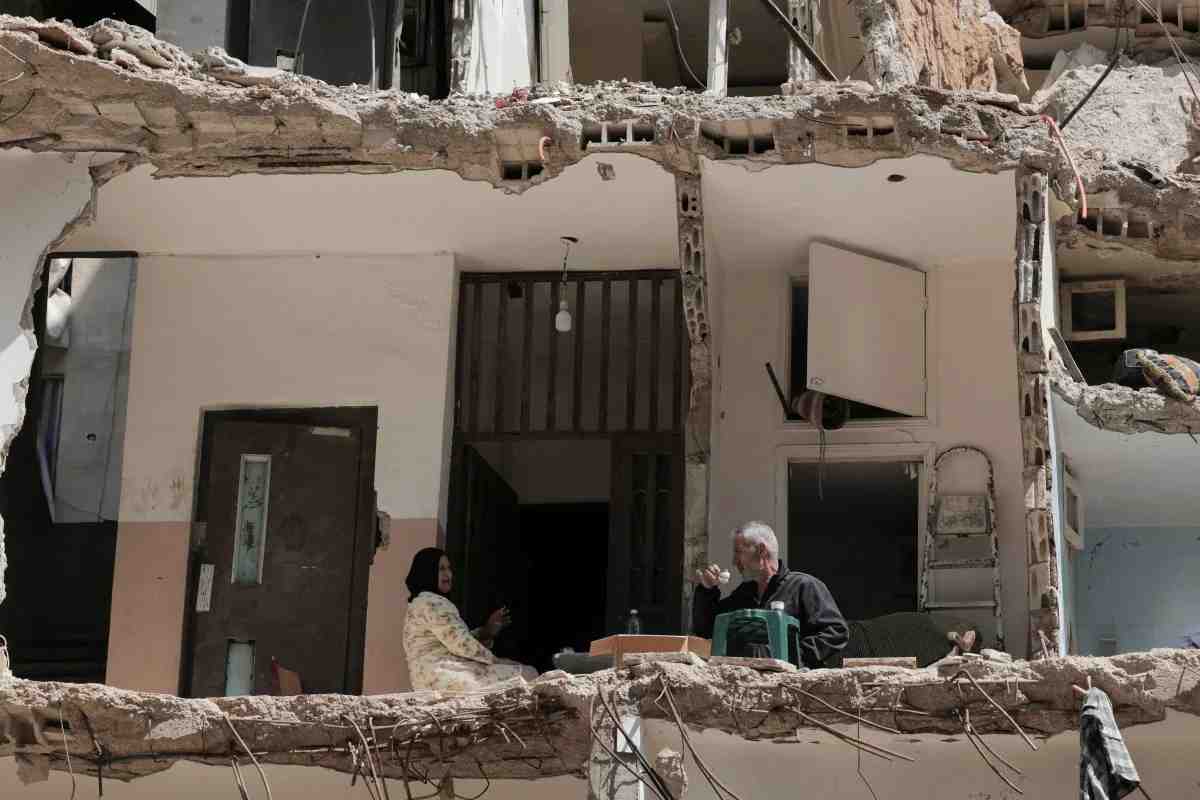
The report states that Lebanon continues to face compounding crises that have deepened population vulnerability, particularly following the escalation of conflict that began in March 2026.
According to the report, the escalation has led to a rapid deterioration of the humanitarian situation amid expanding regional conflict and increasing pressure on essential services.
Citing the available data, the report notes that the attacks have resulted in 2,294 deaths, including 177 children and 100 health workers, as well as 7,544 injuries, among them 704 children and 233 health workers.
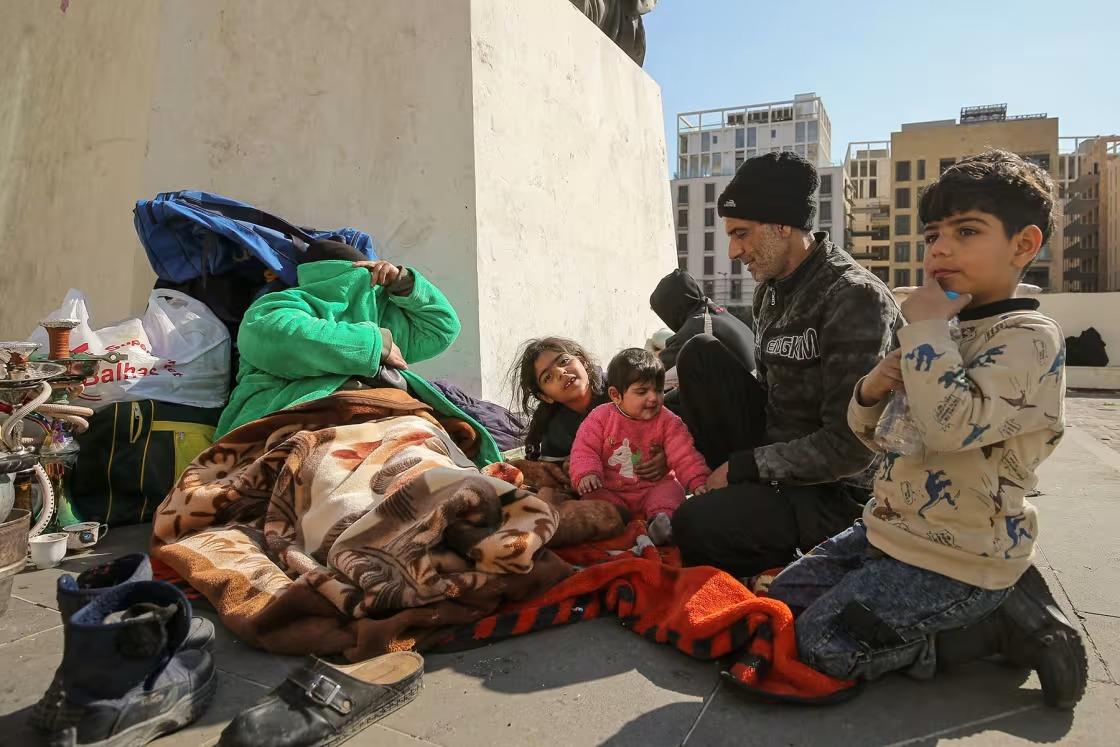
It further indicates that more than one million people have been displaced since 2 March 2026, with many seeking shelter in collective shelters or with host communities. This has placed additional strain on infrastructure, public services, and humanitarian response capacities.
The report emphasizes that this crisis is part of a broader regional context across West Asia and North Africa (WANA), where millions of people are experiencing internal displacement due to protracted conflict, violence, and disasters, with an increasing risk of further displacement both within and across borders.
It also highlights that the impacts of the crisis are not gender-neutral. Women, men, girls, boys, and individuals of diverse Sexual Orientation, Gender Identity and Expression, and Sex Characteristics (SOGIESC) face different risks and challenges.
Previous Oxfam studies indicate that displacement increases protection risks for women and girls, including exposure to violence and exploitation, lack of access to water and sanitation services, and heightened psychosocial distress.
Meanwhile, men and boys face challenges related to loss of income, debt accumulation, social expectations regarding household provision, and negative coping mechanisms.
In this context, Oxfam in Lebanon conducted a self-reported digital needs assessment to generate a comprehensive, intersectional analysis of the needs of populations affected by the war, based on socio-economic dimensions.
The findings aim to support the design and targeting of humanitarian response programs, improve aid allocation, and strengthen evidence-based planning and decision-making.