



WORLD - Tech companies are rapidly building the large-scale infrastructure needed to run artificial intelligence systems, but new research suggests these facilities may also be affecting local environments more than previously understood.
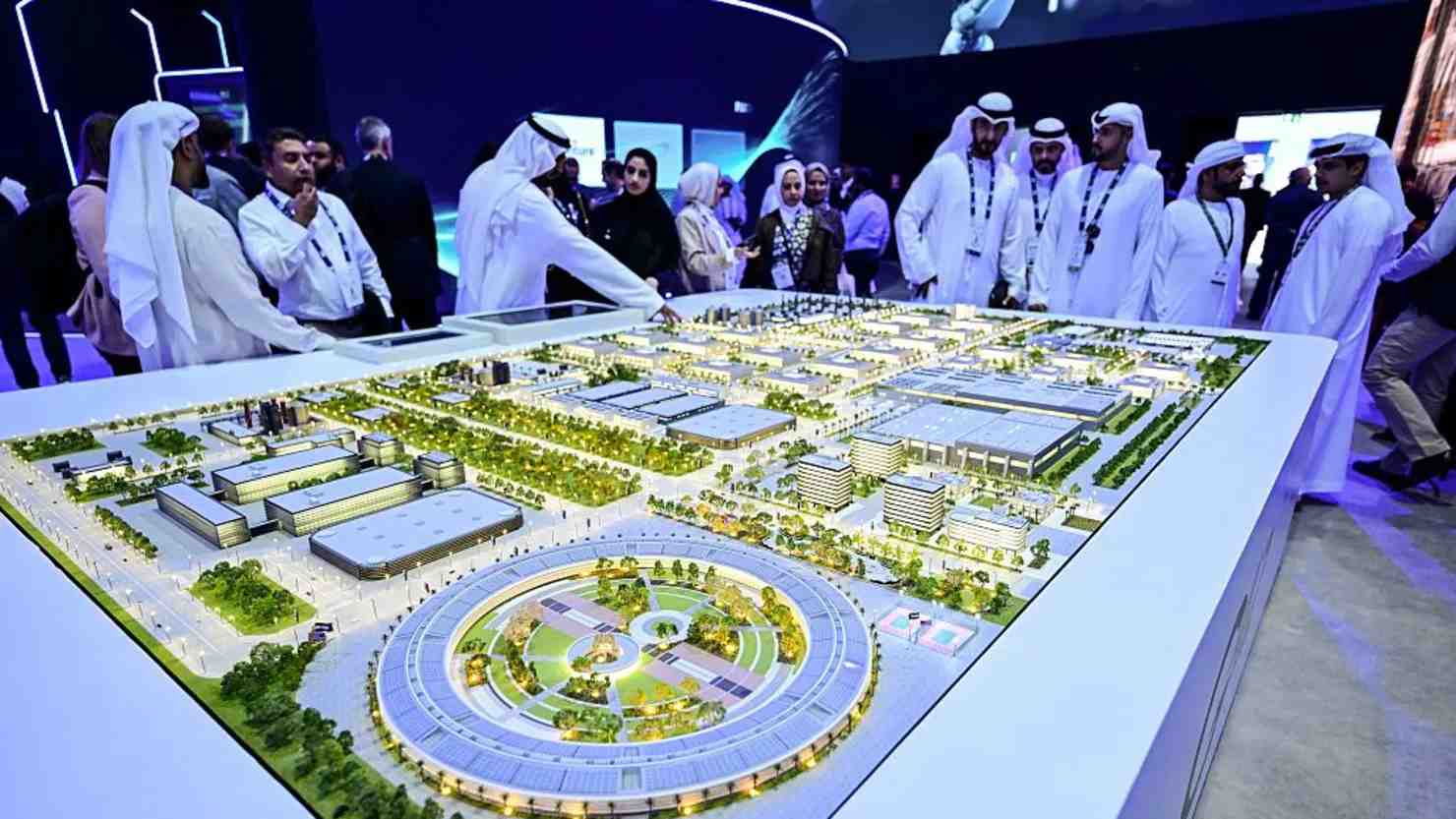
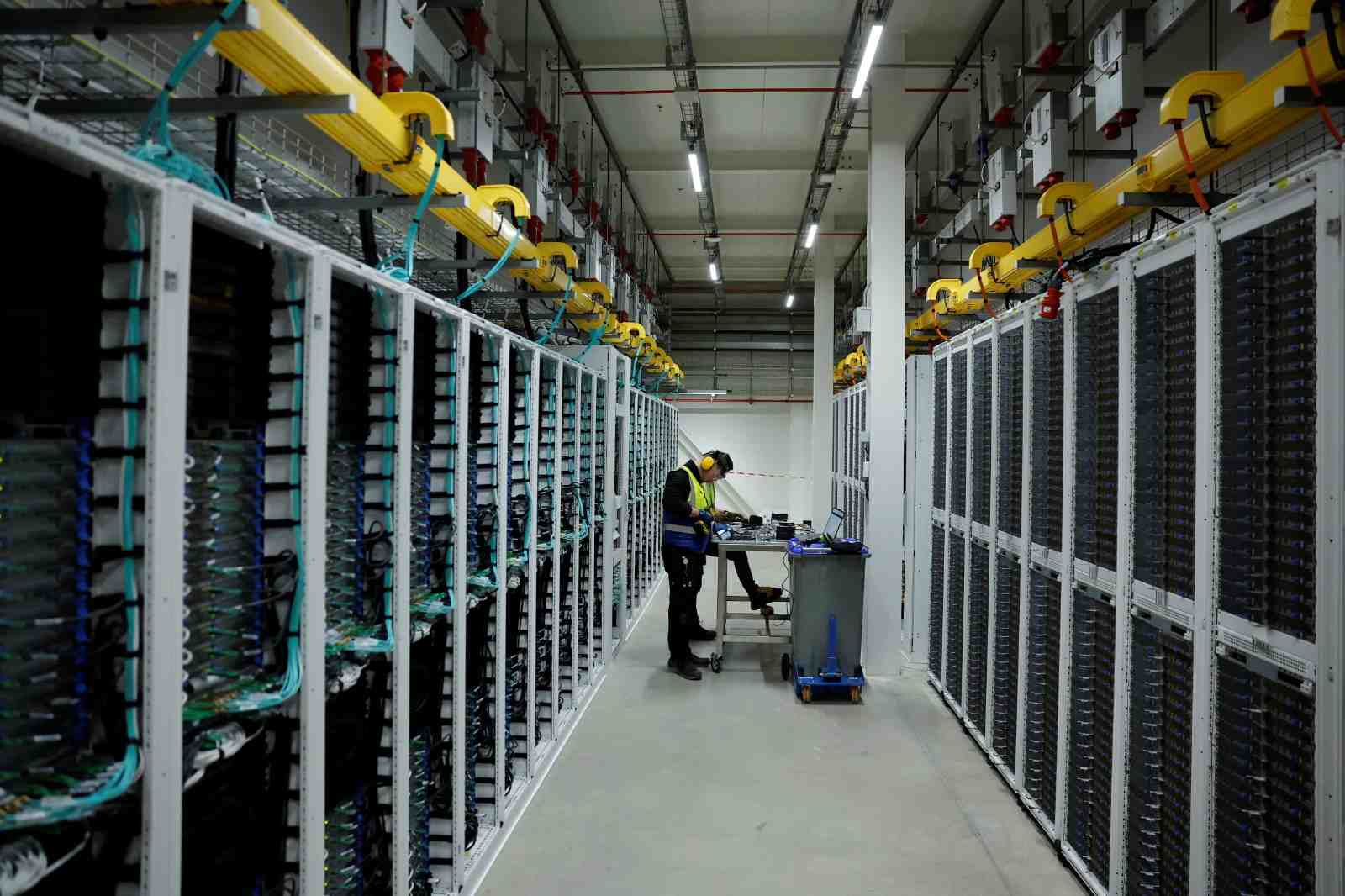
Major technology companies such as Google, Amazon, and Microsoft are expanding so-called AI “hyperscale” data centres. These are huge buildings filled with powerful computers that run AI tools like ChatGPT, Gemini and Claude around the clock.
A new study led by researchers from Cambridge and other universities found that areas around these data centres become warmer after they open. On average, land temperatures rise by about 2°C, but in some places the increase can reach as high as 9°C. Researchers call this the “data heat island effect”.
The study is based on satellite data collected over 20 years and information from more than 11,000 data centres around the world. It found that the warming effect can be detected up to 10 kilometres away from some facilities. Researchers estimate that more than 340 million people globally may live within a range of a data centre.
Growing Energy and Water Demands
The findings add to growing concerns about the environmental impact of AI infrastructure. Data centres already use large amounts of electricity. According to the International Energy Agency (IEA), they used about 415 terawatt hours of electricity in 2024, or around 1.5 percent of global supply. That demand is rising quickly and could almost double by 2030.
AI data centres are especially energy-intensive because they rely on thousands of high-performance chips working at the same time to process complex tasks. Unlike regular websites or apps, AI systems require continuous, heavy computing power.
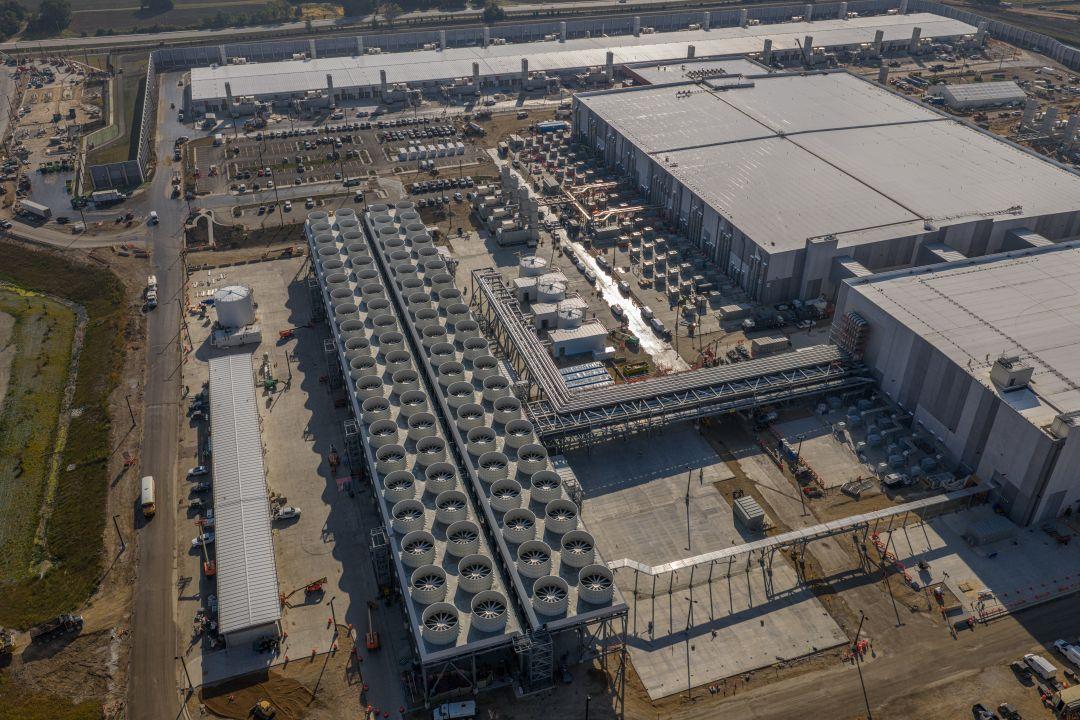
All this computing produces heat, so data centres need powerful cooling systems to prevent overheating. Many use water-based cooling methods. A UK government advisory report estimates that a large 100-megawatt data centre can use about 2.5 billion litres of water each year, roughly the same amount used annually by 80,000 people.
Global Expansion and Environmental Concerns
The number of data centres is also growing quickly. There are now more than 11,600 worldwide. The United States has the largest share, with over 4,300 facilities. Europe follows, led by the United Kingdom, Germany, and France. In Asia, China and India are major hubs, while Southeast Asia is seeing fast growth.
The largest facilities, known as hyperscale data centres, are expanding particularly fast. Their number has nearly doubled since 2021, reaching about 1,300 worldwide.
Investment in this sector is also massive. Analysts at Goldman Sachs estimate that big tech companies will spend about $5.3 trillion between 2025 and 2030 to build and expand AI infrastructure.
This includes major projects such as Meta’s $27 billion campus in Louisiana, Amazon’s $25 billion expansion in Mississippi, Microsoft’s $20 billion project in Wisconsin, and Google’s $15 billion data centre campus in Missouri.
Another major project is Oracle’s “Project Stargate” in Texas, a large AI computing hub built for OpenAI.
Researchers say the key concern is that the environmental effects are local but significant. While data centres are often built outside major cities, they can still raise temperatures nearby, increase pressure on water supplies, and add stress to local energy systems.
Experts say the challenge now is balancing the rapid growth of AI with its environmental cost, especially as demand for AI services continues to rise worldwide.