

WORLD - Environmental risks are affecting children even before they are born, according to a new UNICEF report.
The study, Fragile Beginnings, highlights how exposure to air pollution, toxic chemicals and climate-related hazards during pregnancy can influence a child’s health, development and long-term wellbeing.
The report warns that these risks can contribute to premature birth, low birth weight and developmental challenges that may continue throughout childhood and adulthood.
Climate Change and Pollution Drive Growing Risks
UNICEF identifies climate change, environmental degradation and pollution as key factors increasing health threats to pregnant women and children. Rising temperatures, extreme weather events and worsening air quality expose expectant mothers to conditions that can negatively affect fetal development.
The report notes that children are particularly vulnerable because their bodies and organs are still developing, making them more susceptible to environmental hazards than adults.
The findings also point to widespread exposure to toxic substances, including lead, pesticides and industrial chemicals. These pollutants can enter the body through air, water, food and consumer products, potentially disrupting brain development and increasing the risk of lifelong health problems.
Disproportionate Impact on Vulnerable Communities
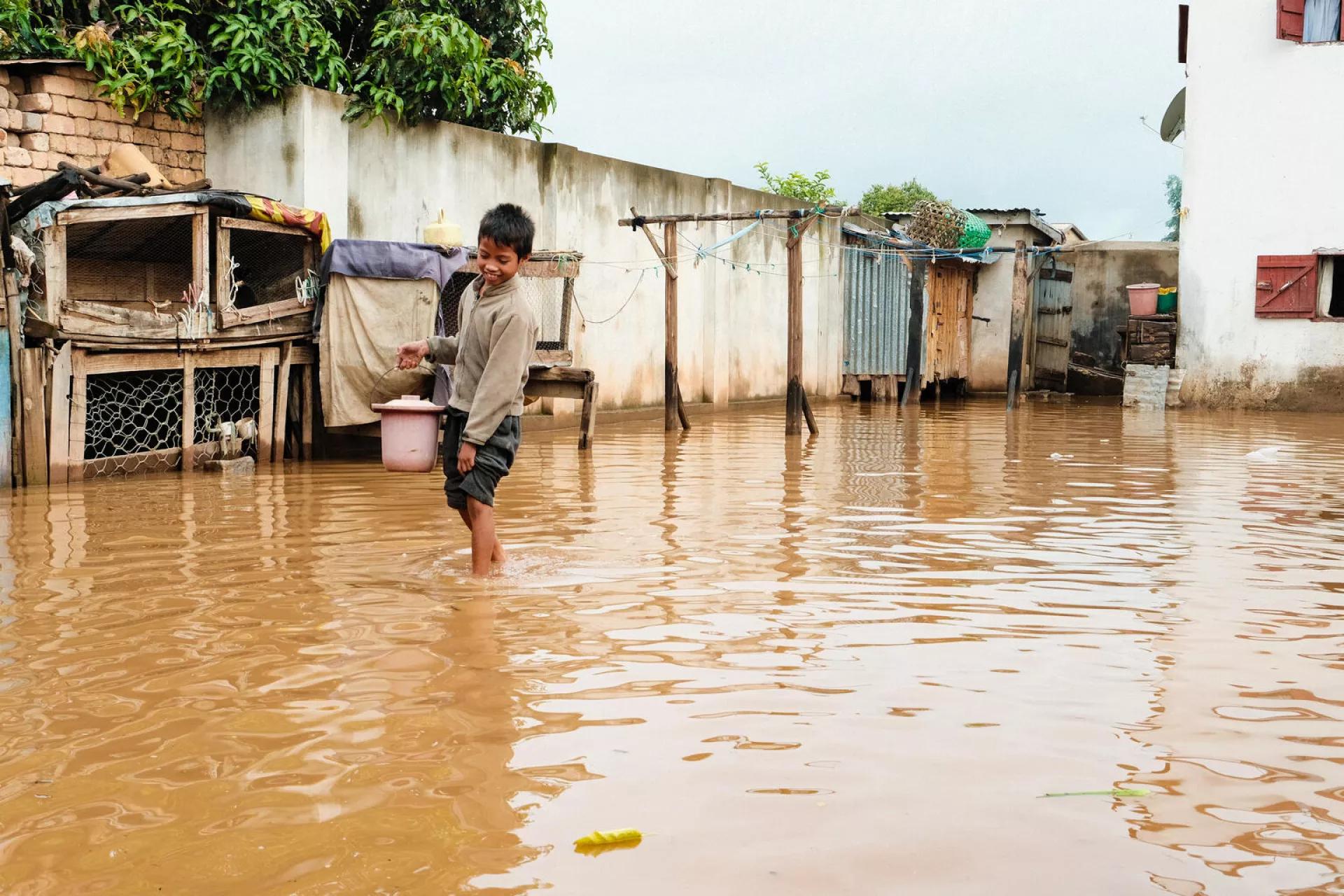
The report finds that children in low- and middle-income countries face the highest burden of environmental risks. Communities with limited access to healthcare, clean water, sanitation and safe housing are often more exposed to pollution and climate-related disasters.
These conditions can compound existing inequalities and make it harder for families to protect children from harmful environmental exposures.
UNICEF warns that environmental threats are increasingly becoming a child rights issue, as millions of children are growing up in conditions that undermine their health and future opportunities.
Calls for Urgent Action
The agency is urging governments, businesses and international organisations to strengthen environmental protections and place children at the centre of climate and public health policies.
Recommended measures include reducing pollution, improving monitoring of toxic chemicals, expanding access to clean energy and strengthening healthcare services for pregnant women and young children.
UNICEF says investments in environmental protection and child health can deliver long-term benefits, helping to reduce disease, improve development outcomes and create healthier futures for the next generation.
The report stresses that protecting children from environmental hazards must begin before birth, requiring coordinated action across multiple sectors to address the growing challenges posed by climate change and pollution.