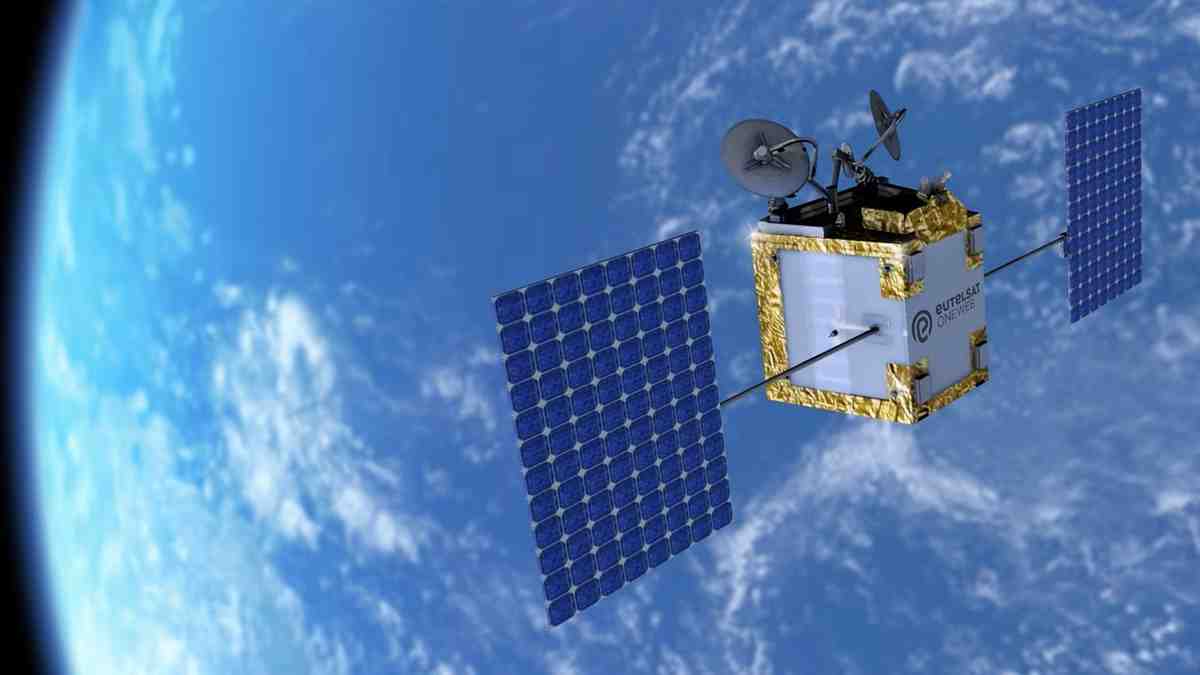





WORLD – A new report released by the World Economic Forum (WEF) and Deloitte highlights the massive economic potential of Earth Observation (EO) data—an umbrella term that refers to satellite imagery, remote sensing technologies, and weather and climate monitoring systems that collect information about the Earth’s surface and atmosphere.
Currently, according to the report, this technology contributes about $440 billion to global GDP. This contribution comes from the way Earth Observation (EO) data is actively used across key sectors of the economy to improve efficiency and decision-making.
For example, it helps increase agricultural productivity through precision farming, reduces losses from natural disasters by improving early warning and response systems, enhances logistics and transport efficiency through better weather and route planning, and supports industries such as insurance, energy, and infrastructure by enabling more accurate risk assessment and planning.
However, researchers estimate that this figure could rise to more than $700 billion annually if governments and businesses significantly improve how they process, integrate, and apply this data in decision-making—by using advanced analytics and AI tools to turn raw satellite information into actionable insights, and embedding these insights directly into real-world applications and services.
The $263 Billion Gap
The report finds that, according to its estimates, over 37% of EO’s total potential value—around $263 billion—is currently underutilized or wasted. This is not due to limitations in the technology itself, but rather because large volumes of raw satellite data remain trapped in complex systems and are not effectively translated into practical, real-world applications.
The report identifies three main areas where this unrealized value is concentrated:
Processing ($117 billion): The largest bottleneck. While vast amounts of satellite data already exist, the report emphasizes the need for advanced AI and automation tools to transform this raw data into clear, decision-ready insights.
Acquisition ($84 billion): Improving the speed, coverage, and reliability of satellite networks to enable more real-time data collection.
Deployment ($62 billion): Integrating Earth Observation insights into everyday tools and workflows—such as agricultural applications or logistics platforms—instead of leaving them in isolated dashboards.
Who Benefits Most?
Agriculture: Precision farming represents the largest opportunity, accounting for over $136 billion in untapped value by helping improve crop yields and optimize water usage.
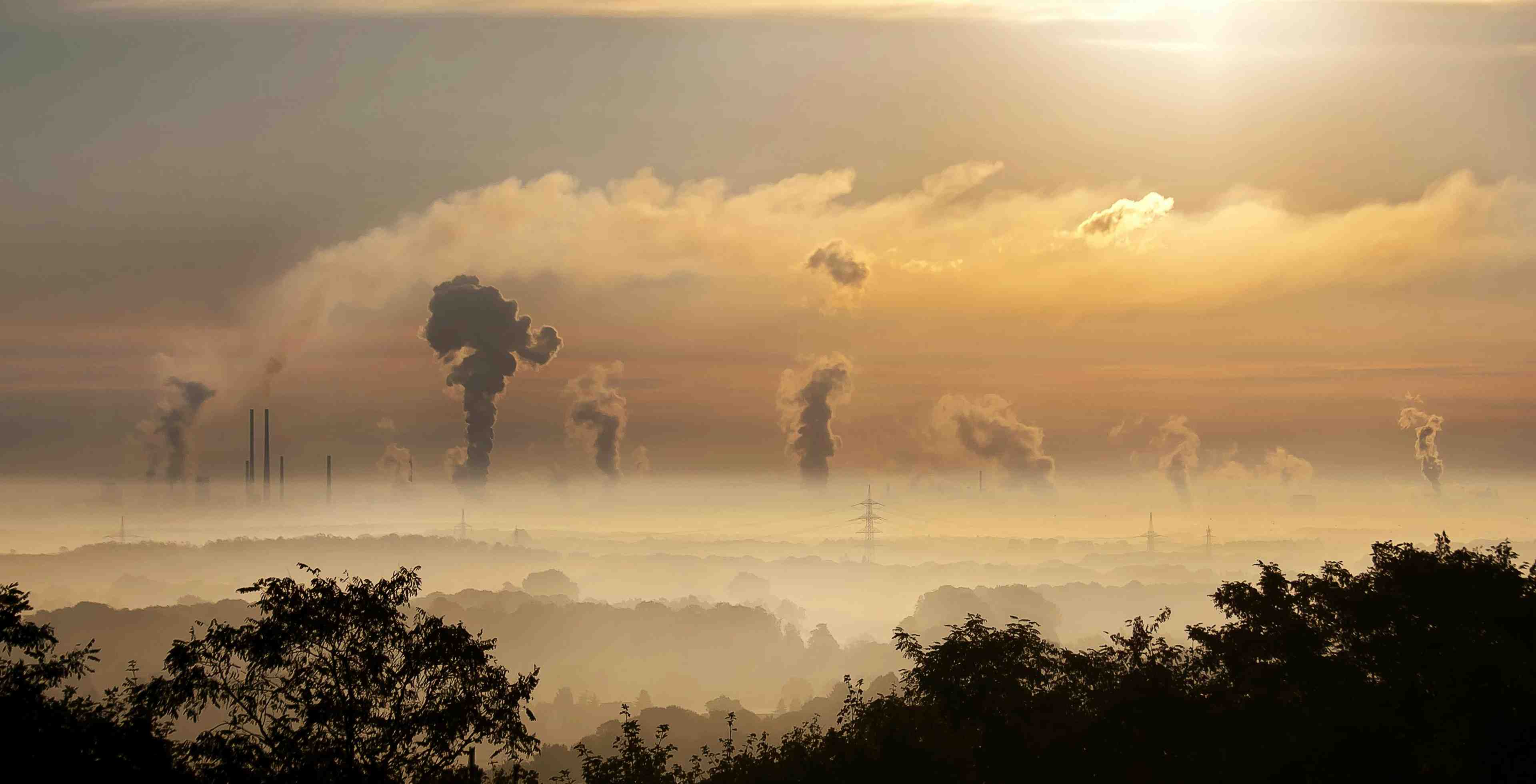
Climate and Disaster Relief: Enhanced monitoring systems could help reduce global greenhouse gas emissions by up to 2 gigatonnes annually, while also strengthening early warning systems for floods, wildfires, and extreme weather events.
Infrastructure & Insurance: EO data can support better planning for renewable energy projects such as solar parks and improve climate risk assessment for insurance markets.
The Bottom Line
The report concludes that the next phase of space-related technology is not about launching more satellites to capture images, but about maximizing the use of existing data. The real value lies in turning Earth Observation information into actionable insights that enable faster, smarter decision-making on the ground.