



WORLD - After more than 100 days of the most severe disruption ever recorded to global energy supply chains, oil and gas markets have begun to stabilize following a breakthrough US-Iran peace agreement that is set to reopen the Strait of Hormuz to commercial shipping.
Brent crude prices fell sharply to around $82 a barrel after US President Donald Trump confirmed that the deal would allow tankers carrying millions of barrels of oil and natural gas to resume transit through the Strait.
Wholesale gas prices also dropped by approximately 6%, reflecting immediate relief in global energy markets.
Although prices remain significantly higher than last year’s average of $69 per barrel, they have fallen dramatically from $126 per barrel.
The decline has eased fears that the global economy would face the worst-case scenarios predicted during the early weeks of the US–Iran conflict, when analysts warned of severe supply shortages and inflation.
The agreement comes just weeks before the oil market was projected to enter a “red zone”, a period in which rising summer demand typically collides with depleted crude inventories.
The reopening of the Strait is expected to gradually restore global supply chains, although full normalization remains months away.
Partial Relief, Not Full Recovery
Despite the market relief, uncertainty persists over the deal and the pace at which shipping routes can safely reopen.
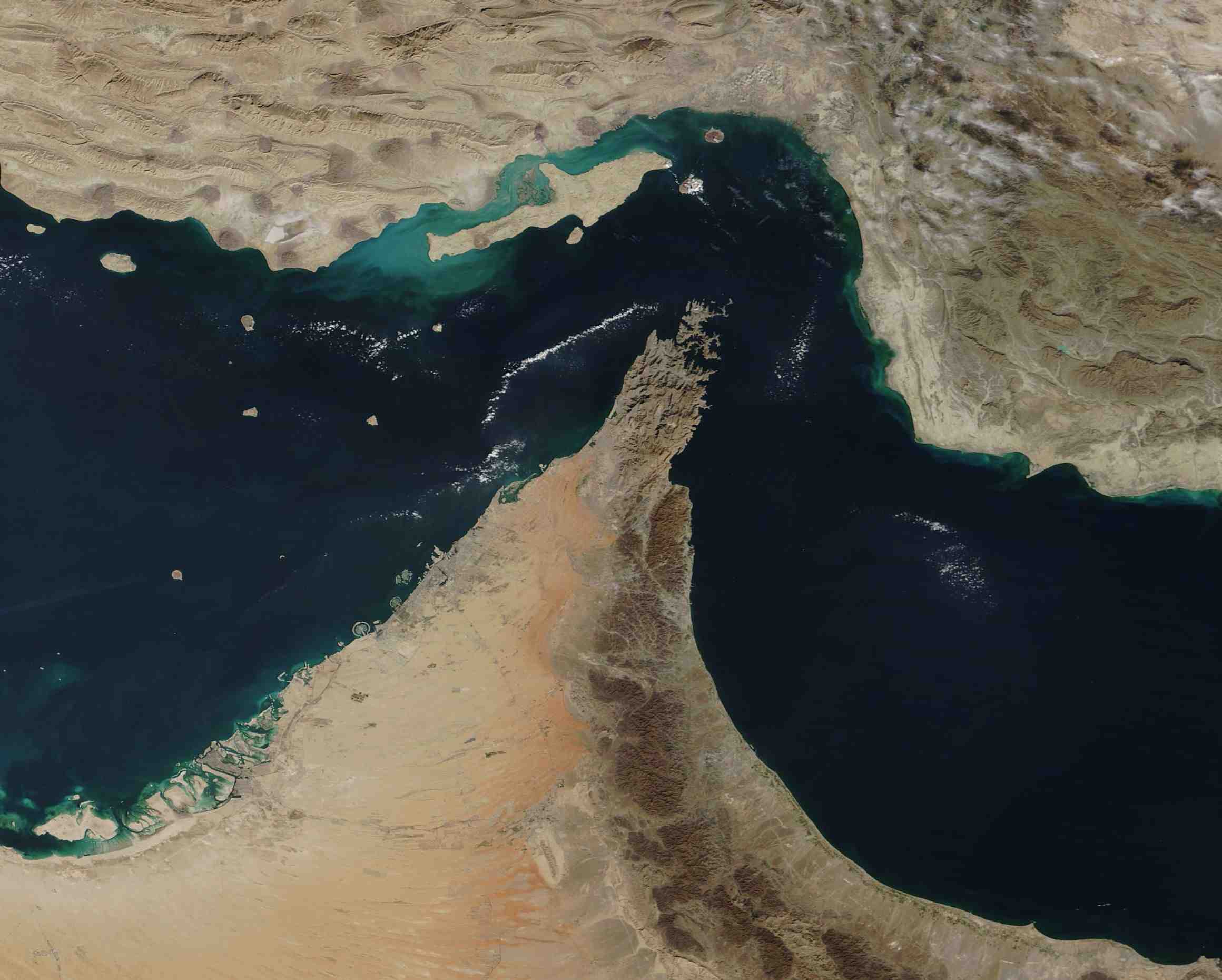
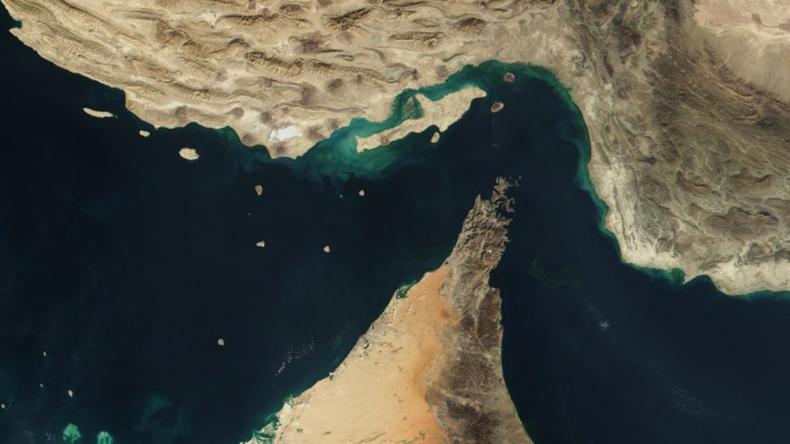
The Strait of Hormuz, through which roughly one-fifth of global oil and gas flows, will first require clearance operations, including mine removal and security assurances for commercial vessels. Officials estimate this process could take up to seven weeks.
US domestic politics might also affect the agreement. With midterm elections approaching, the Trump administration is under pressure to demonstrate that lower fuel prices will benefit American consumers.
Analysts say falling gasoline costs could strengthen the administration’s political position ahead of the vote.
For Iran, a phased reopening of the strait is seen as strategically advantageous, allowing it to retain leverage in ongoing negotiations with Washington while avoiding a rapid global restocking that could weaken its position.
Shipping and logistics disruptions are expected to persist even after the formal reopening. According to industry data, more than 160 vessels have remained stranded in the Gulf for over 100 days, while insurance costs and operational risks continue to affect routing decisions.
Energy analysts warn that while oil flows may recover partially by late summer, full restoration of pre-crisis supply levels could take until 2027.
Damage to regional infrastructure, including gas facilities in Qatar and ageing oilfields in Iraq and Kuwait, is expected to slow recovery, particularly in the liquefied natural gas sector.
Economic Outlook Remains Stark
Experts also caution that the economic impact of the crisis is not yet fully absorbed. Although inflationary pressure may ease, short-term volatility is likely to persist as markets adjust to uneven supply recovery and geopolitical uncertainty.
Neil Shearing of Capital Economics noted that even with restored passage, logistical constraints and insurance costs will delay a full return to normal trade flows. “Even if the deal reopens the strait immediately, it will not prevent some economic damage in the near term,” he said.
While the immediate shock to energy markets has eased, analysts expect a prolonged adjustment period before global oil and gas flows return to pre-crisis stability.