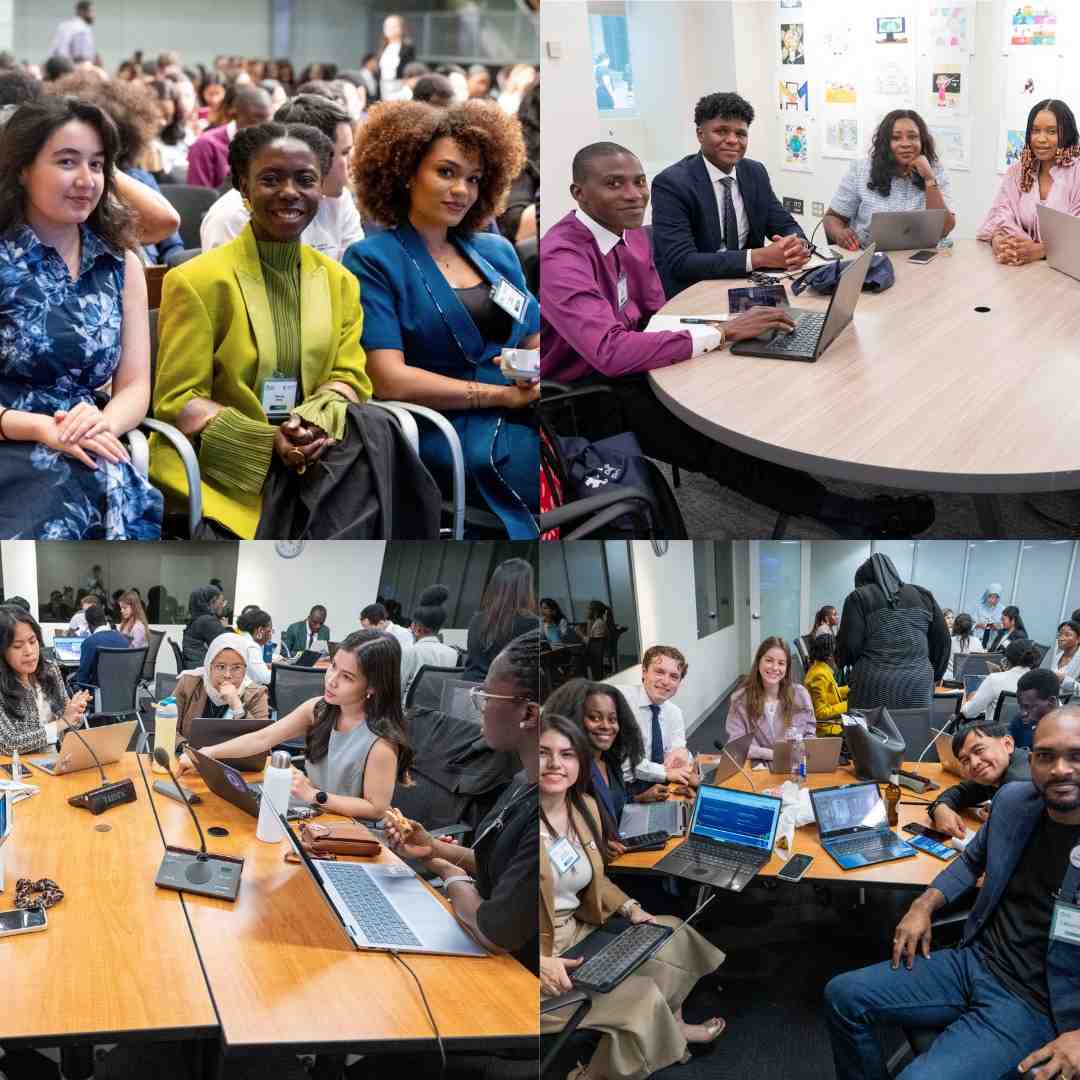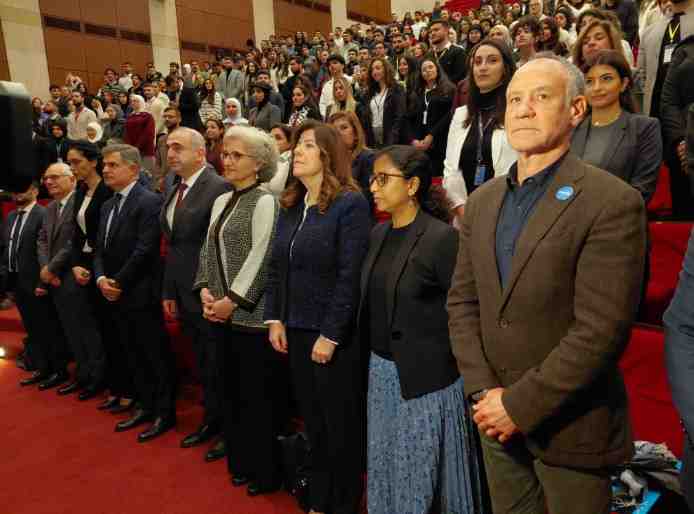




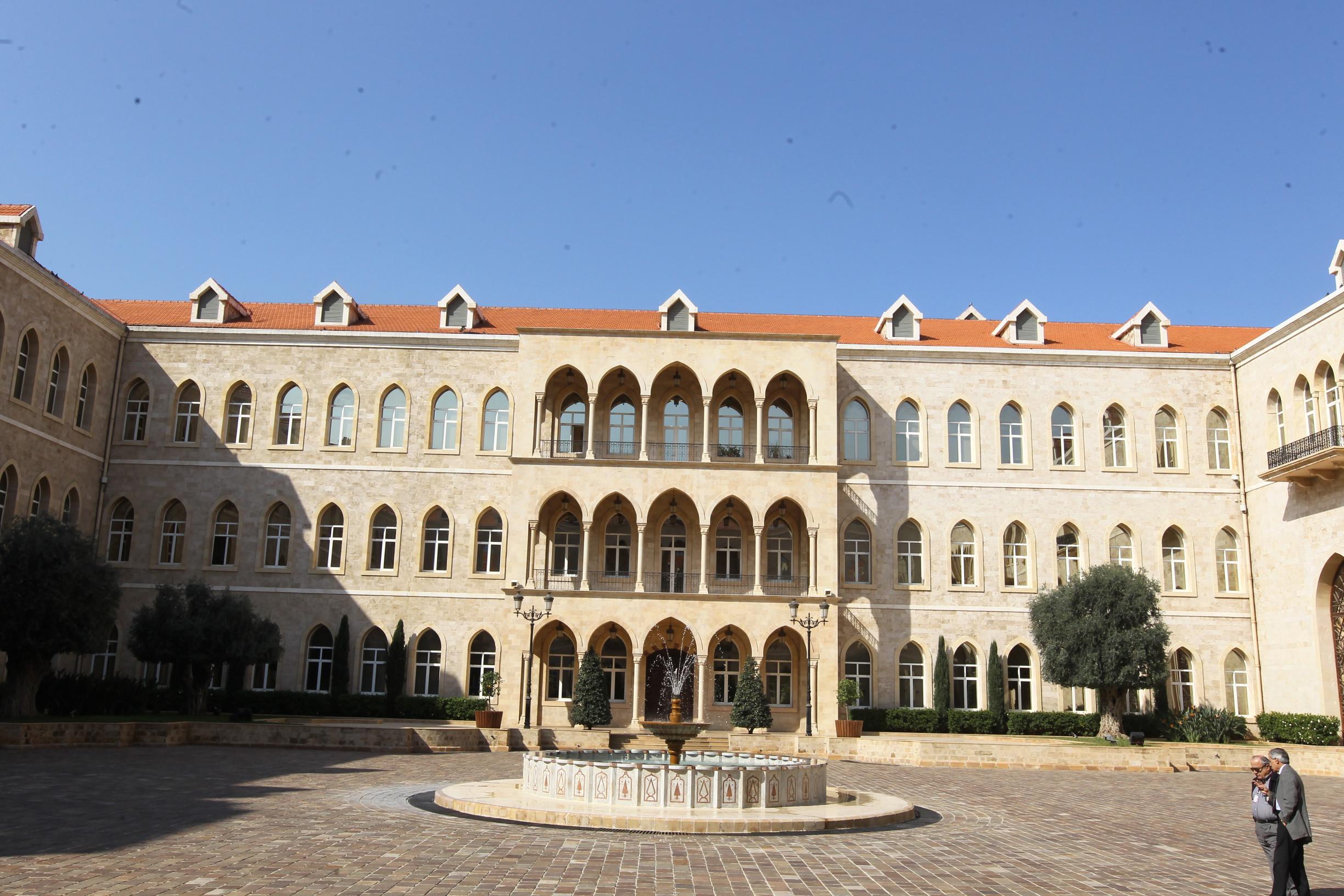
LEBANON — Youth engagement in Lebanon’s climate policy was highlighted during the Hiwarat El Serail session held at the Grand Serail, where young representatives contributing to the development of Lebanon’s Nationally Determined Contributions (NDC 3.0) participated alongside officials from the Ministry of Environment.
The event, held upon the invitation of Lebanon’s Minister of Environment, Tamara El Zein, brought together youth contributors who took part in the national consultation process led by the Ministry in collaboration with UNDP Lebanon. The initiative aimed to strengthen youth inclusion in climate governance and policy development.
Participants highlighted their involvement in the 2025 Youth Engagement process, during which they worked with sectoral teams to develop recommendations for Lebanon’s Health and Water sectors. These inputs were later incorporated into Lebanon’s updated climate commitments under NDC 3.0, particularly within the “Youth, Gender and Inclusivity” framework.
Nationally Determined Contributions (NDCs), which form the core of the Paris Agreement, outline each country’s climate mitigation and adaptation targets. Lebanon’s NDC 3.0 is seen as a significant step toward strengthening national resilience and advancing more inclusive climate policies.
In parallel, the Ministry of Environment continues its broader post-conflict environmental response, focusing on assessing damage caused by recent war and Israeli attacks. The Ministry has been conducting scientific field studies to evaluate impacts on soil, water, and agricultural areas, as well as documenting incidents such as the reported spraying of glyphosate herbicide in southern Lebanese villages.
Authorities also emphasized sustainable rubble management as a key pillar of the reconstruction strategy, integrating debris handling into a wider recovery framework that considers social and demographic needs, supports the return of displaced communities, and ensures environmentally sound rebuilding practices.
Together, these efforts reflect what officials describe as a comprehensive environmental recovery approach linking post-conflict damage assessment with long-term sustainability planning, while also expanding youth participation in national decision-making processes.