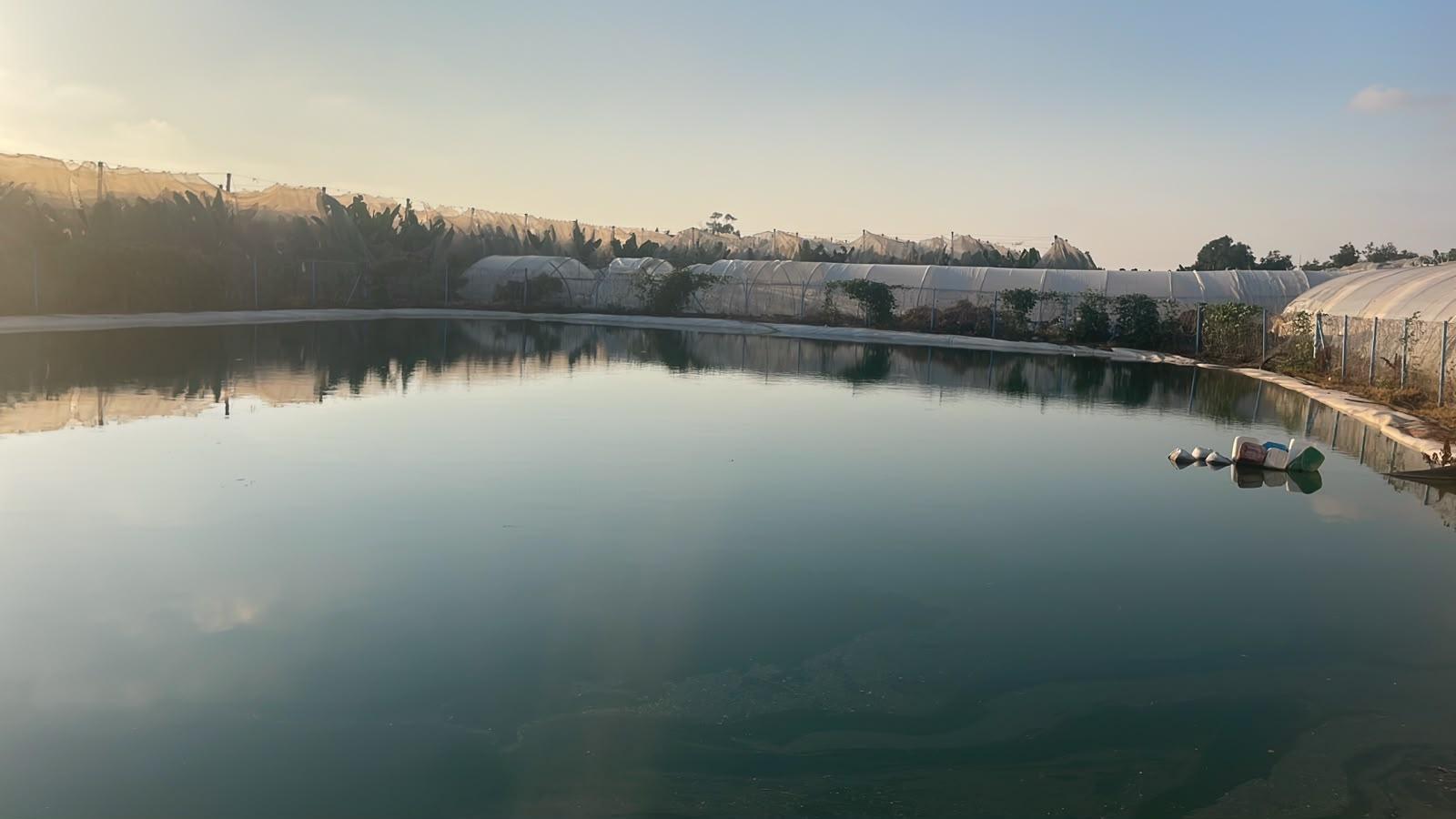
LEBANON - The National Litani River Authority continues to channel irrigation water toward farmers who rely on modern drip irrigation systems, as part of a broader strategy aimed at improving water management and promoting sustainable agriculture in Lebanon.
The initiative focuses on prioritizing water distribution to users who have adopted drip irrigation, commonly known as “irrigation on the point,” which delivers water directly to plant roots through controlled systems.
Beyond improving water access, the shift is expected to reduce overall consumption of water, energy, and agricultural inputs such as fertilizers.
By limiting surface evaporation and runoff, drip irrigation allows farmers to achieve higher productivity while using fewer resources.
The Authority stressed that this targeted allocation of irrigation water contributes directly to strengthening both water and food security.
Efficient irrigation systems help stabilize agricultural output, particularly in areas dependent on seasonal water availability and traditional irrigation methods that often result in significant losses.
Farmers participating in the program benefit from improved crop yields and lower operational costs, while the wider agricultural sector gains from more sustainable use of Lebanon’s limited water resources.
The Litani Authority described the policy as part of a long-term shift toward modernizing the irrigation sector and encouraging wider adoption of water-efficient technologies.
As water scarcity challenges intensify, the initiative is being positioned as a key step toward building a more resilient agricultural system that safeguards resources for future generations.