




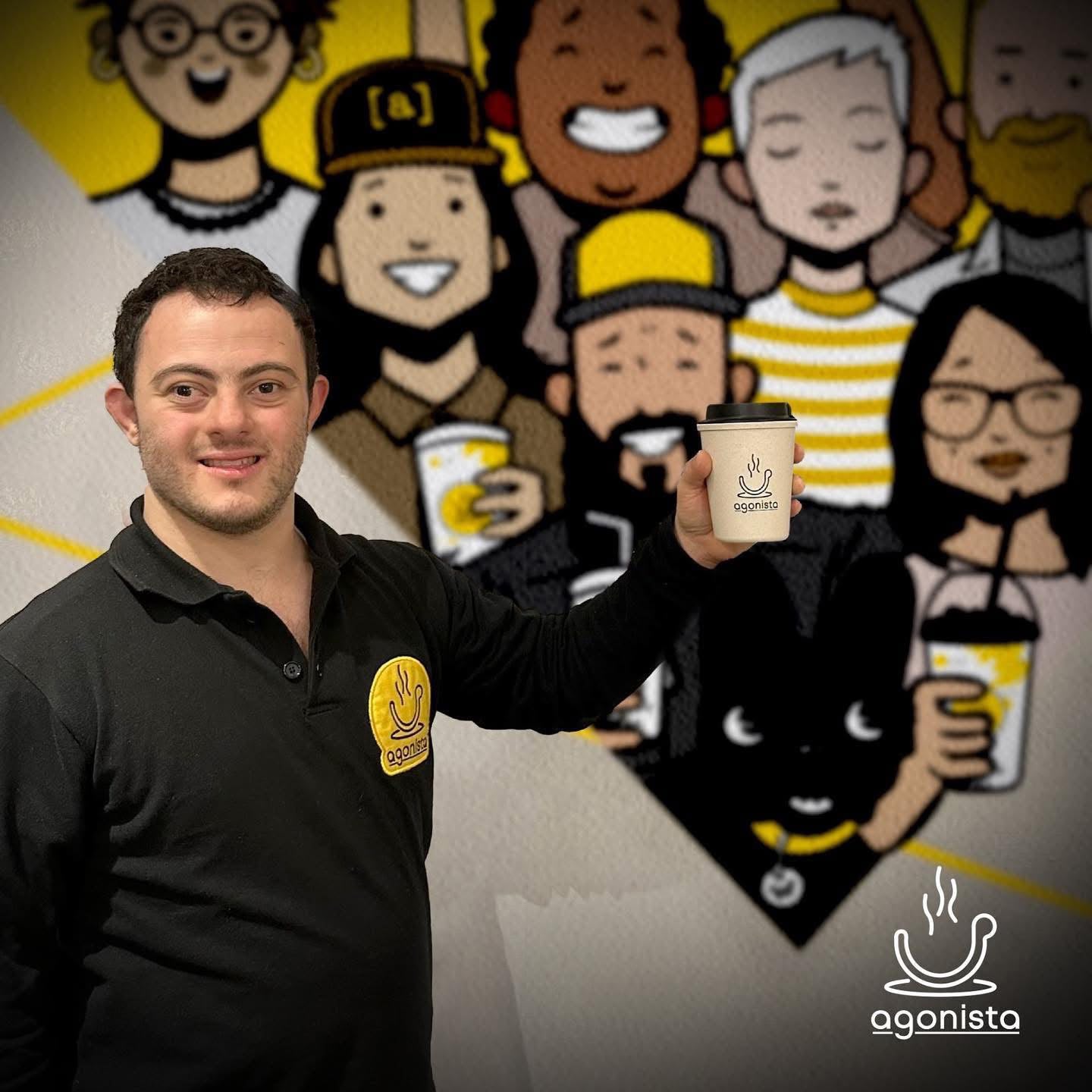
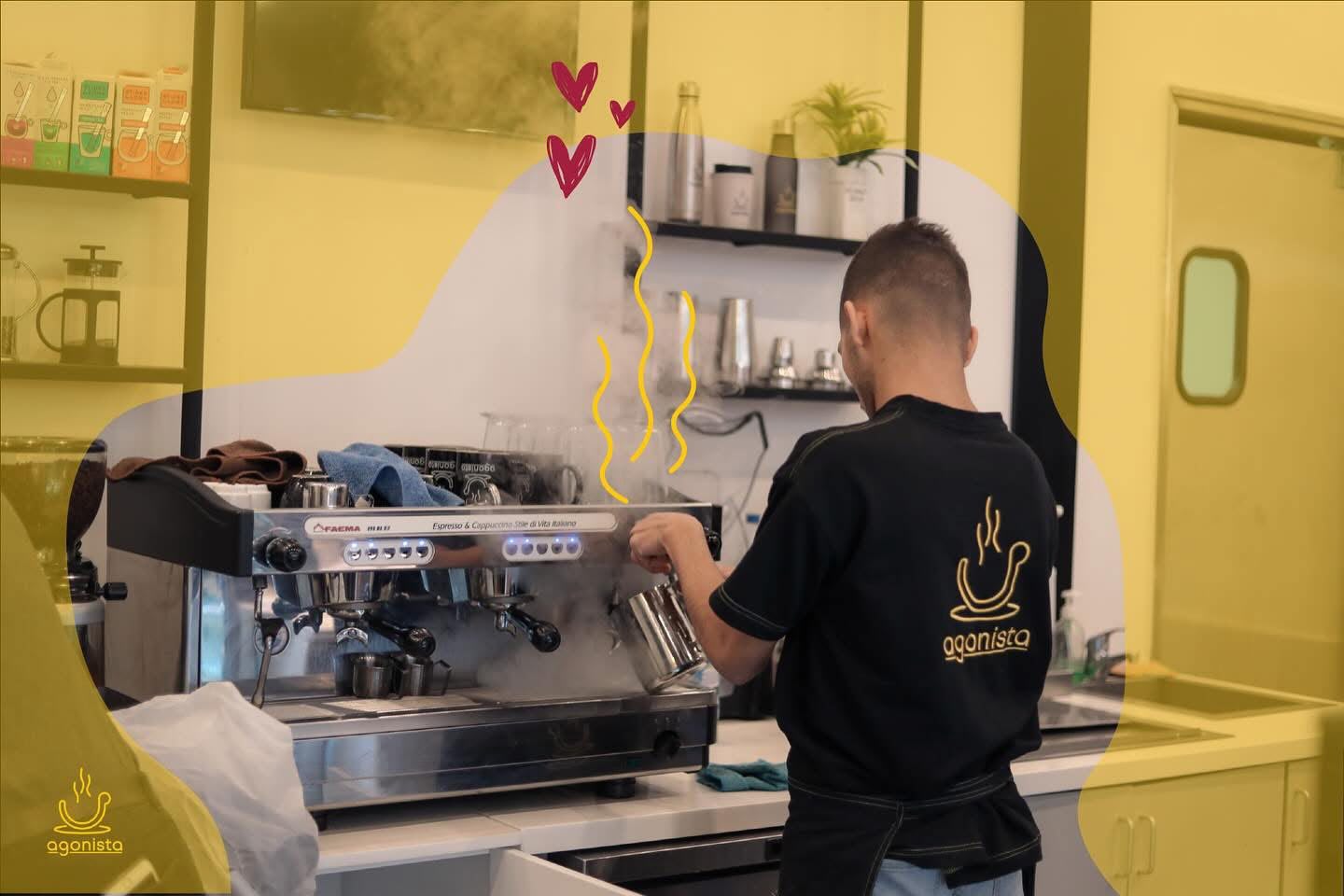
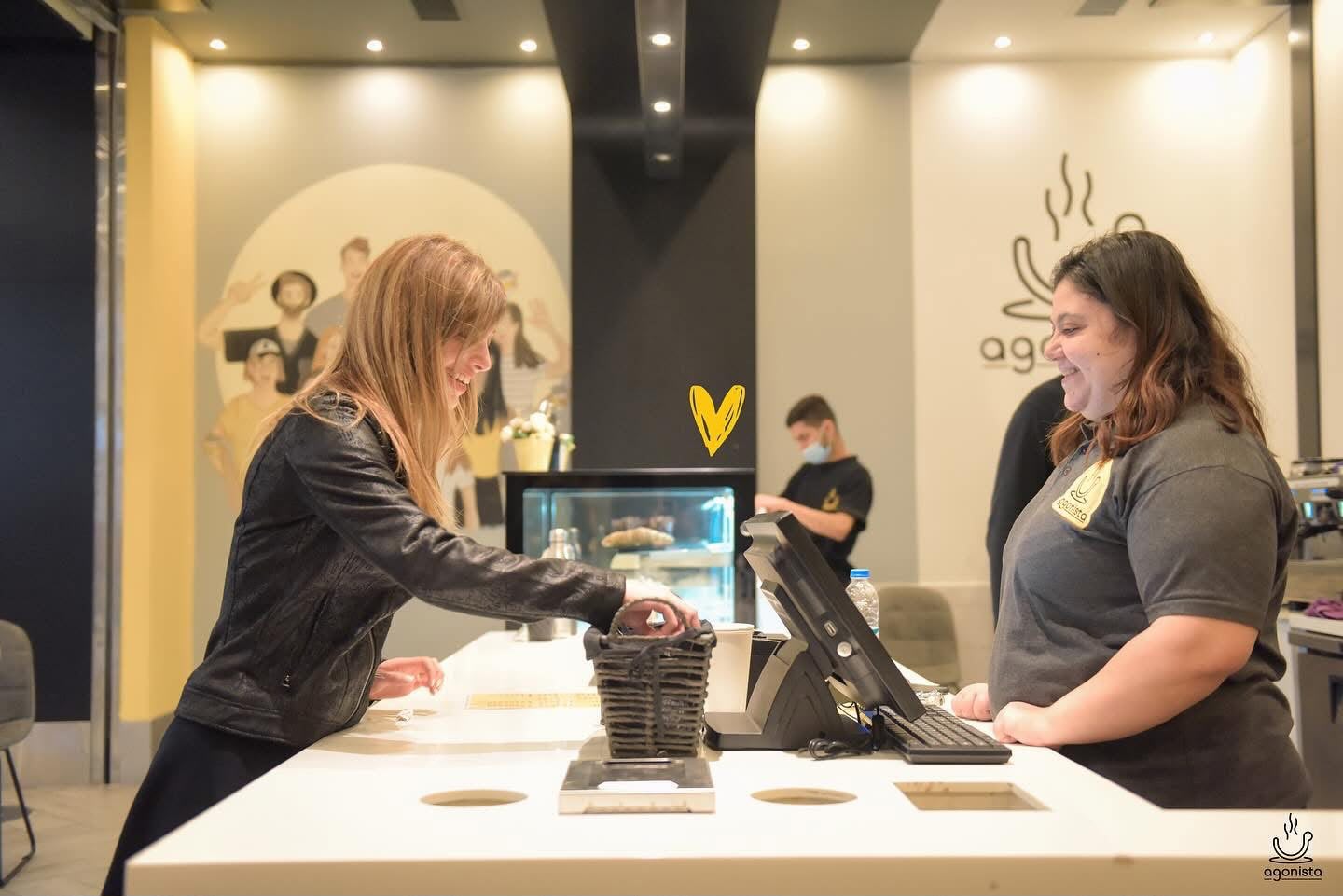
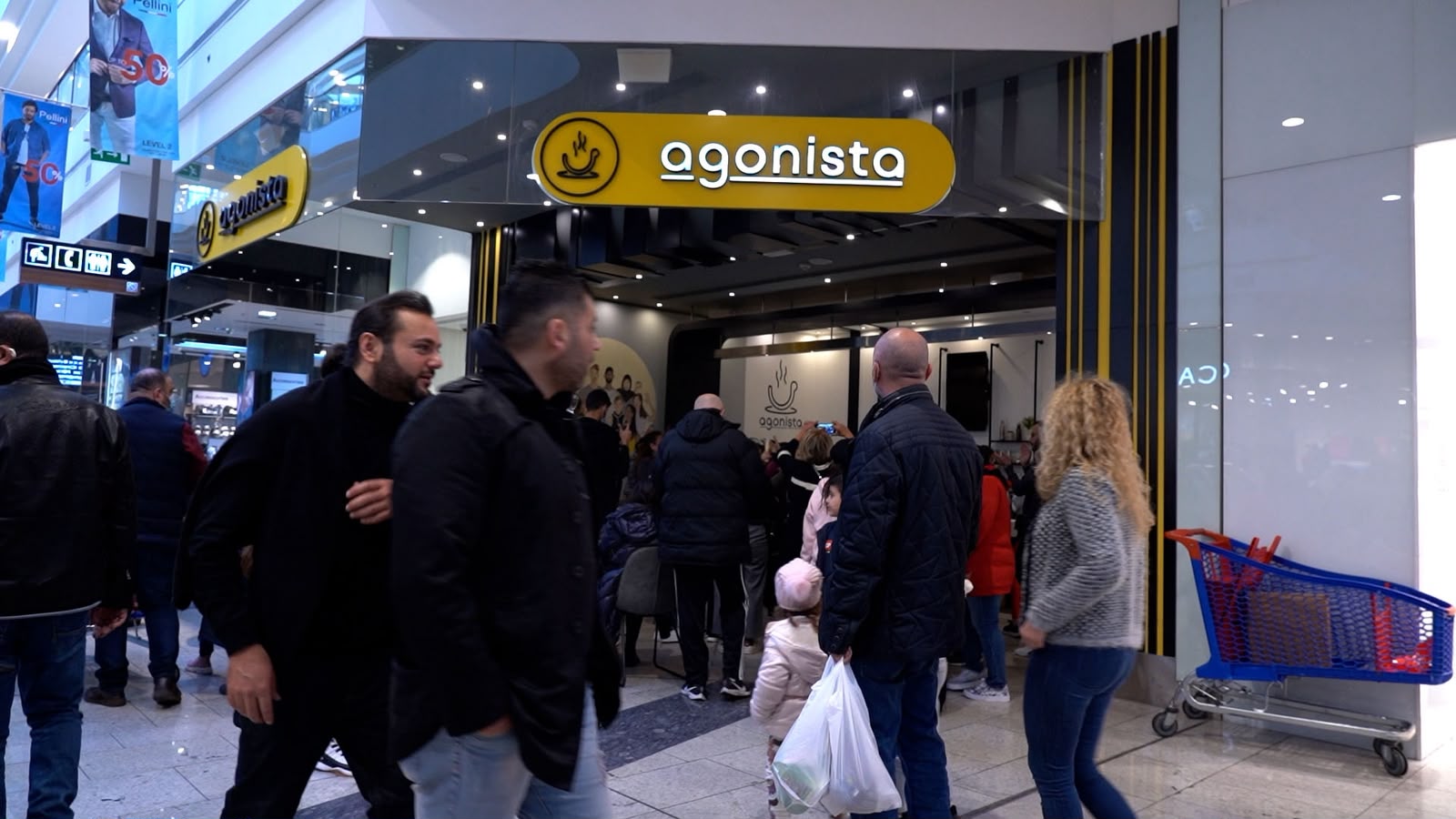
LEBANON — When Agonista Café opened in Zalka in December 2018, it introduced a new concept to Lebanon: a café where people with intellectual disabilities were not only welcomed as customers but also integral members of the team.
Founded by physiotherapist Wissam El-Hage, the café challenged long-standing misconceptions about disability and employment. At a time when many people with disabilities faced major barriers to work, Agonista showed that they could succeed in customer-facing roles when given the right support.
Nearly eight years later, Agonista has expanded beyond the café, promoting inclusive employment across Lebanon through training programs, employer support, and workforce development initiatives.
This work comes as Lebanon strengthens its national commitment to disability inclusion. In February 2026, the government approved the National Strategy for the Rights and Inclusion of Persons with Disabilities (2026–2030), which prioritizes inclusive employment.
A New Approach
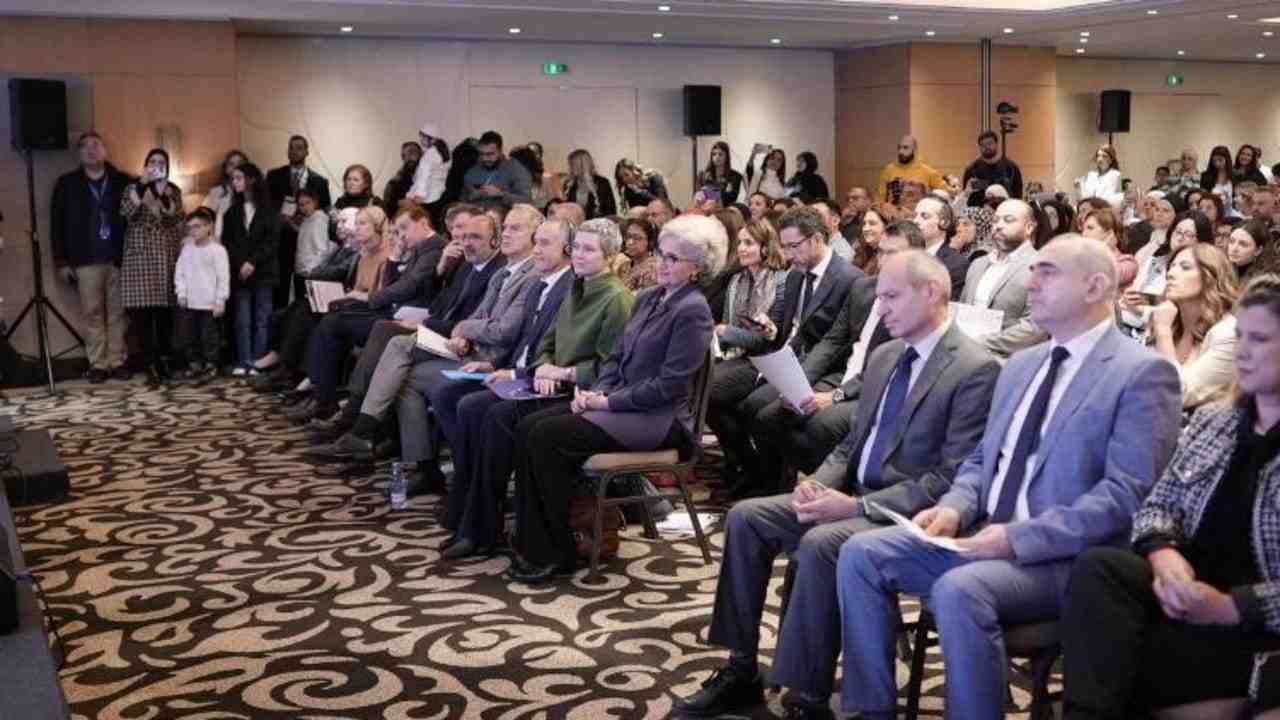
On June 30, Agonista will host a full-day Inclusive Employment Training Program designed to help Lebanese employers build more inclusive workplaces.
"The main goal of the program is to bridge the gap between people with disabilities and the labor market by preparing both sides," El-Hage says.
The program comes as Lebanon seeks to improve opportunities for an estimated 400,000 people with disabilities, around 10% of the country's population, according to the World Health Organization.
It will equip people with disabilities with vocational and workplace skills while helping employers understand how to create supportive work environments and confidently hire diverse talent.
Rather than focusing solely on training, the initiative aims to generate real employment opportunities. Participants will receive practical tools, access to qualified candidates for internships, and ongoing support from the Agonista team.
The program is implemented in partnership with MakeSense, a global organization that supports social impact initiatives and develops solutions to social challenges, with support from the French Ministry for Europe and Foreign Affairs.
Inclusion Is More Than Charity
For Agonista, inclusive employment is not about offering opportunities out of sympathy.
"It is about recognizing talent and building stronger organizations," El-Hage says.
He believes inclusive hiring enables companies to access motivated employees, strengthen workplace culture, and improve staff retention. Inclusive workplaces can also foster stronger teamwork, better communication, and a more positive work environment for all employees.
Beyond the workplace, similar approaches are emerging in media. The podcast Table 3 includes people with disabilities as hosts, placing them at the center of the conversation rather than in guest or symbolic roles. Through this format, they actively lead discussions, helping challenge stereotypes and reshape how media represents lived experience.
Reducing the Employment Gap
Despite the skills and potential of many people with disabilities, significant barriers remain in Lebanon.
According to El-Hage, one of the greatest challenges is that many employers lack the awareness, practical tools, or confidence needed to hire people with disabilities.
"There is also a disconnect between training and employment," he says. "Many programs stop at skills development, but few create direct links with employers."
Agonista aims to close that gap by connecting vocational training with internships and long-term employment opportunities.
Challenging Misconceptions
Many employers assume that hiring people with disabilities requires costly workplace modifications or major operational changes.
El-Hage says that is often a misconception.
"Most workplace accommodations are not expensive," he explains. "In many cases, inclusion simply requires adapting communication methods, organizing tasks differently, or providing clearer instructions."
Successful inclusion, he adds, depends largely on matching people with suitable roles and creating supportive work environments.
Challenges Remain
Although awareness of diversity and inclusion has grown, significant obstacles persist.
Social stigma remains one of the biggest barriers, alongside limited employer knowledge about inclusive hiring practices. Lebanon's ongoing economic challenges have also made many businesses more cautious about expanding their workforce.
Accessibility remains another concern, both in terms of physical infrastructure and workplace systems.
Yet El-Hage believes that economic hardship makes inclusion even more essential.
"During difficult times, vulnerable groups are often excluded first, which means our work becomes even more important," he says.
Looking Ahead
Over the next two to three years, Agonista hopes to become a leading hub for inclusion and social innovation in Lebanon.
The organization plans to expand its training programs, strengthen partnerships with employers, and develop scalable models that can reach more people across Lebanon and beyond.
Future initiatives may include job placement services, employer consulting, internship programs, and digital learning opportunities.
"Our long-term goal is not only to prepare individuals for employment," El-Hage says, "but to transform employment systems themselves so they become more inclusive”.

Turning Inclusion into Systemic Change
Agonista’s journey illustrates how inclusion can move from theory into practice. By applying such approaches more widely, Lebanon can move toward a more resilient and equitable labour system.
This requires stronger coordination among key stakeholders, including government institutions, municipalities, the private sector, and civil society actors, to ensure that inclusion becomes a shared responsibility rather than isolated efforts.
Policy recommendations include strengthening awareness and education campaigns on disability rights and social inclusion, integrating inclusive employment principles into public services, and reinforcing social protection systems to better support persons with disabilities, in line with principles outlined in the UN Convention on the Rights of Persons with Disabilities (CRPD) and International Labour Organization (ILO) guidelines on disability inclusion.
Public institutions can support this by adopting inclusive hiring practices, improving accessibility, and incentivizing employers through targeted policies.
They can also expand training, partnerships, and data systems to better connect persons with disabilities to job opportunities.
Together, these measures can increase labour market participation, reduce inequality, and improve social and economic stability in Lebanon.