



LEBANON - In recent years, the word “trauma” has been increasingly used to describe the hidden impact of devastating crises affecting Lebanon and the wider region.
In conflict-affected regions, trauma has become part of daily conversations. But what exactly is trauma? How do we understand it, and in what ways does it shape our lives and communities?
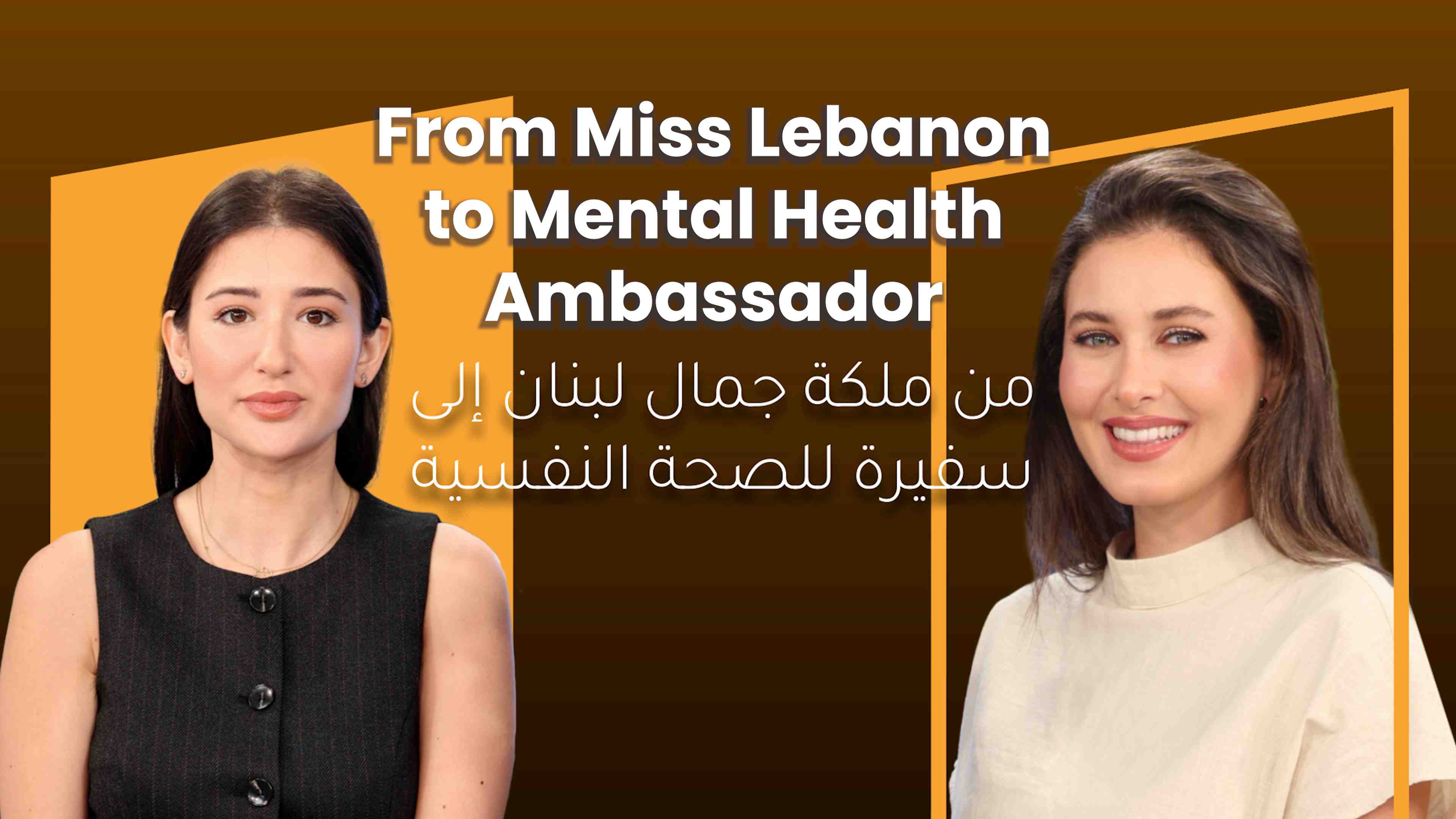
In an interview with Enmaeya, Ms. Jana Mansour Jamaleddin, a research associate at the Lebanese American University’s Institute of Psychotraumatology, explained that psychotraumatology is the scientific study of psychological trauma, exploring how it develops, how it affects individuals and communities, and how people recover from it.
This is particularly important in Lebanon, where trauma is not an isolated phenomenon but rather a collective experience shaped by prolonged exposure to crises and challenging events.
The Institute of Psychotraumatology was built with exactly this in mind. Ms. Jamaleddin describes its mission as studying "trauma exposure and its outcomes across the region, creating a unified culturally adapted nomenclature and interventions that fit the Lebanese reality."
What distinguishes the institute’s approach from many traditional Western frameworks is its focus on cumulative trauma, the kind that develops over years of repeated exposure to hardship and crises, rather than through a single isolated event.
In the Lebanese context, this also requires rethinking how trauma symptoms are recognized: rather than anxiety or depression alone, many people experience distress through physical, somatic symptoms such as poor sleep, fatigue, or chronic pain.
This is why, as Ms. Jamaleddin puts it, the institute takes "a proactive approach to studying and adapting evidence-based interventions that respond to the diverse experiences of trauma in Lebanon and the wider SWANA region."
Indicators and Protective Factors
The way individuals respond to trauma can often be traced back to early life experiences. Research shows that early adversities, such as neglect, emotional or physical abuse, or previous exposure to traumatic events, increase the likelihood of developing trauma-related symptoms later in life.
However, protective factors can significantly reduce these risks. A key protective factor is social support: strong family and community ties give people a foundation for building healthy coping skills, processing emotions, and solving problems.
Ms. Jamaleddin emphasized the importance of teaching these skills early. "Both children and parents can benefit from learning adaptive coping skills, particularly before the occurrence of any traumatic events, as the institute aims to promote a proactive trauma response prior, during, and after potentially traumatic events."
How Does Culture Shape the Way We Process Trauma?
Family, religion, community ties, and collective memory influence nearly every aspect of how trauma is experienced and processed.
Ms. Jamaleddin explains, “A family or community that provides a safe supportive environment validates emotions of grief or stress. Providing space for expression and help-seeking is a primary protective factor."
Youth groups centered around sports, art, or theater are a good example of this, forging communal bonds that can serve as a buffer against trauma.
That said, the relationship is complex: “Similarly, if the child faces early adverse experiences within the context of their family or their community, this can perpetuate the risk of developing symptoms associated with trauma exposure.”
Resilience vs. Sumud
Resilience, by definition, is the ability to adapt effectively to change and difficult circumstances. It is not the same as simply functioning. A distinction that matters greatly in Lebanon, where many people continue to work, study, and care for their families not because they have healed, but because they have no choice.
Repeated exposure to hardship can dull how distress is felt or expressed, making it easy to mistake endurance for recovery. Alongside this, an interesting concept has emerged from the Arab world, particularly the Palestinian territories, called Sumud, or transformative resilience. A collective, community-wide resistance to trauma rather than just an individual response.
"A noteworthy movement in resilience research within the region has been moving beyond individual responses to distress towards collective ability to respond to trauma and resist, which the institute aims to explore."
It is important to note that although collective resilience is a cornerstone in processing traumatic events, there is an equal need for a sustainable recovery pathway that is supported by policies and governing institutions to enable long-term healing.
Moving Forward: How Can We Heal?
Despite the weight of Lebanon's ongoing challenges, there are reasons for hope. The Ministry of Public Health and the National Mental Health Program (NMHP) have been actively working to integrate mental health support into primary care centers and community initiatives.
Still, Ms. Jamaleddin notes that access remains the biggest hurdle: "The accessibility, more so than stigma itself, poses a barrier for seeking mental health services in Lebanon today."
The path forward lies in a national, cross-cutting response that requires coordinated action across multiple sectors of Lebanese society. Some of these recommendations:
In schools, trauma-informed curricula and early resilience training should be embedded from a young age. Equipping both students and parents with coping tools before a crisis strikes rather than after.
In healthcare, the integration of mental health support into primary care, already underway through the NMHP, must be scaled and sustained. With particular attention to the physical ways trauma often presents in Lebanon, such as chronic pain, fatigue, and sleep disruption.
In workplaces, organizations can play a meaningful role by training managers to recognize signs of distress and creating environments where seeking help is normalized rather than stigmatized.
At the community level, Ms. Jamaleddin points to a bottom-up approach as essential. One that empowers community leaders, youth groups, and local organizations as frontline mental health touchpoints, particularly given that accessibility remains a great barrier for most Lebanese today.
"The accessibility, more so than stigma itself, poses a barrier for seeking mental health services in Lebanon today."
Underpinning all of this must be a national recovery framework. A cross-cutting policy mechanism that coordinates these efforts, secures sustainable funding, and holds institutions accountable for mental health outcomes alongside economic or political ones.
Ultimately, healing from trauma in Lebanon is not just an individual journey. It is a collective one, and building the systems and communities that support that process may be the most important work of our time.