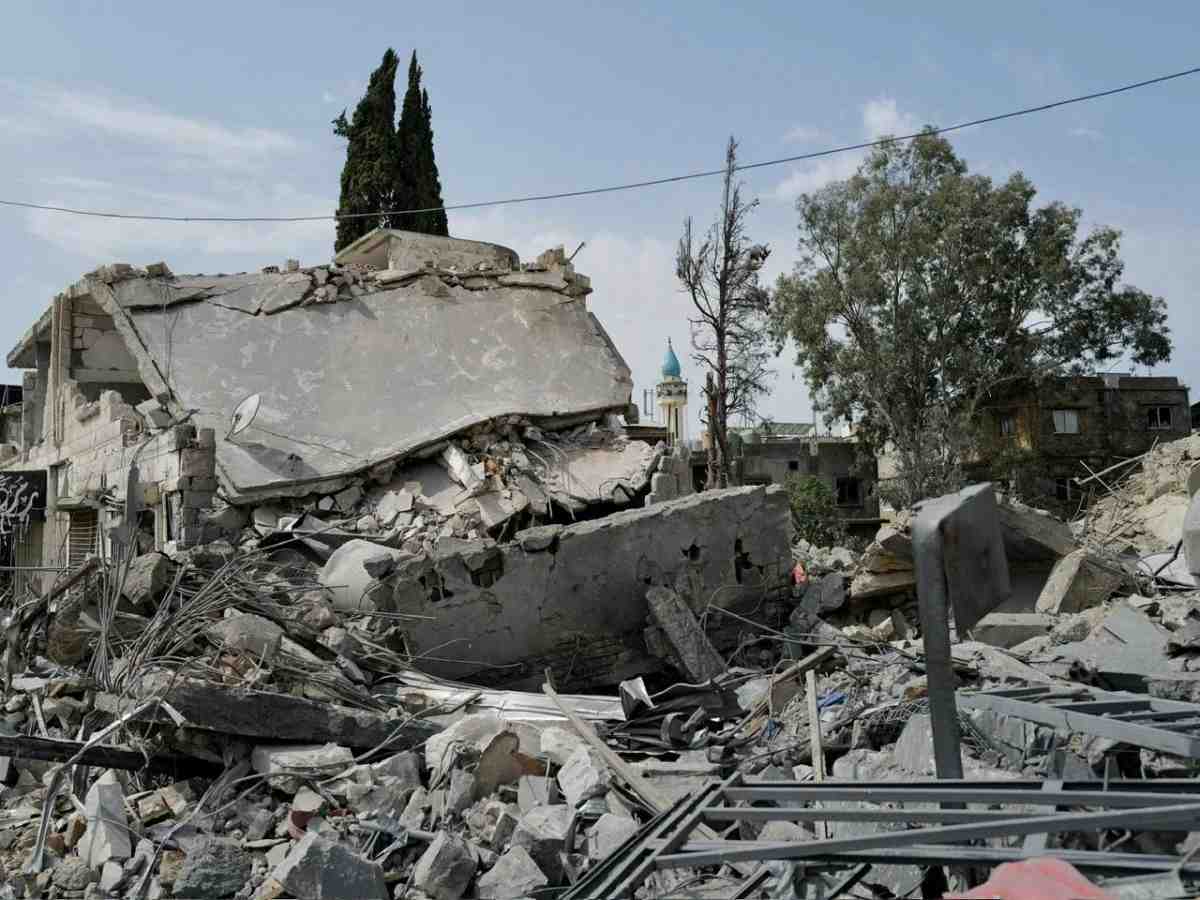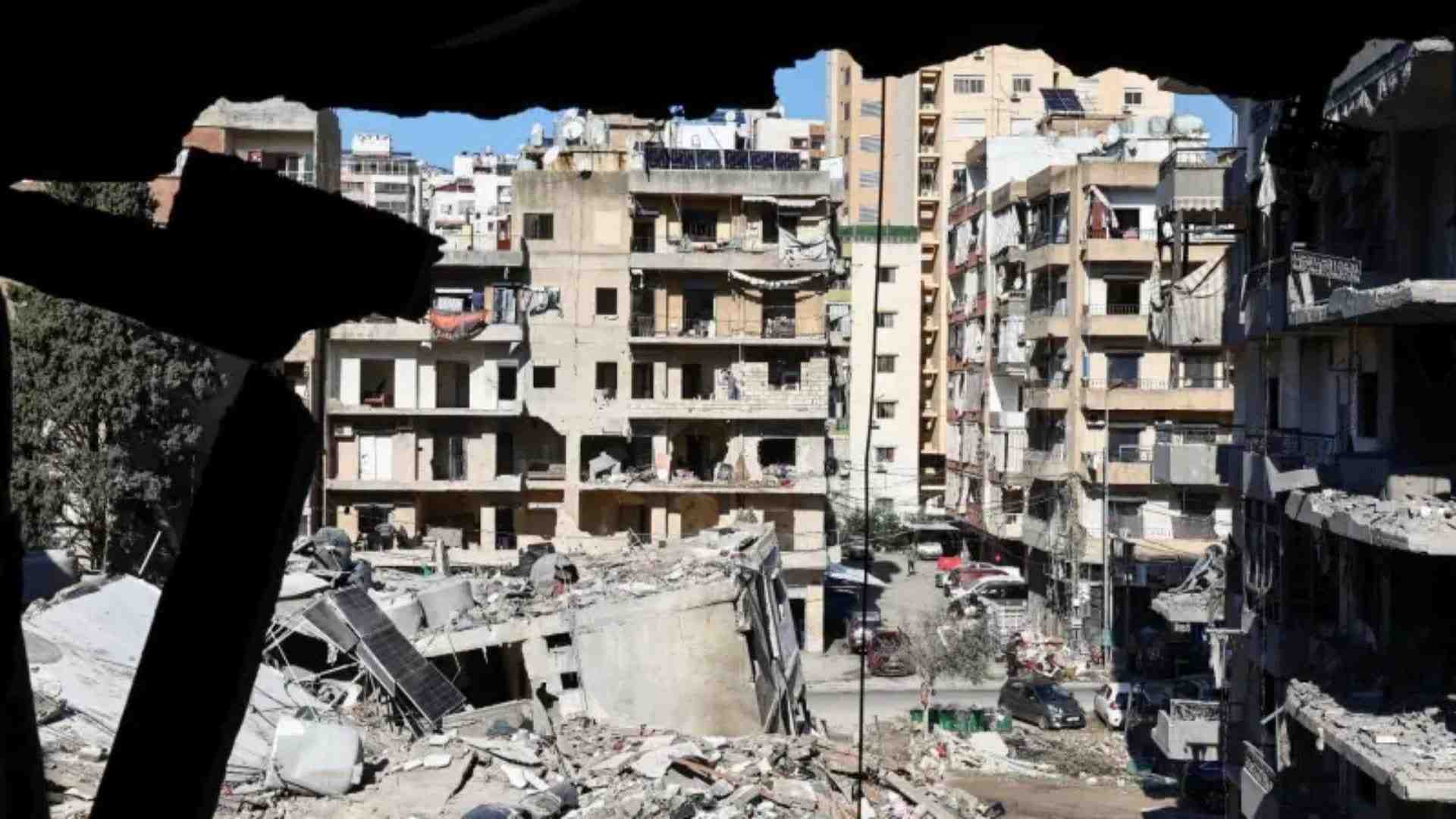




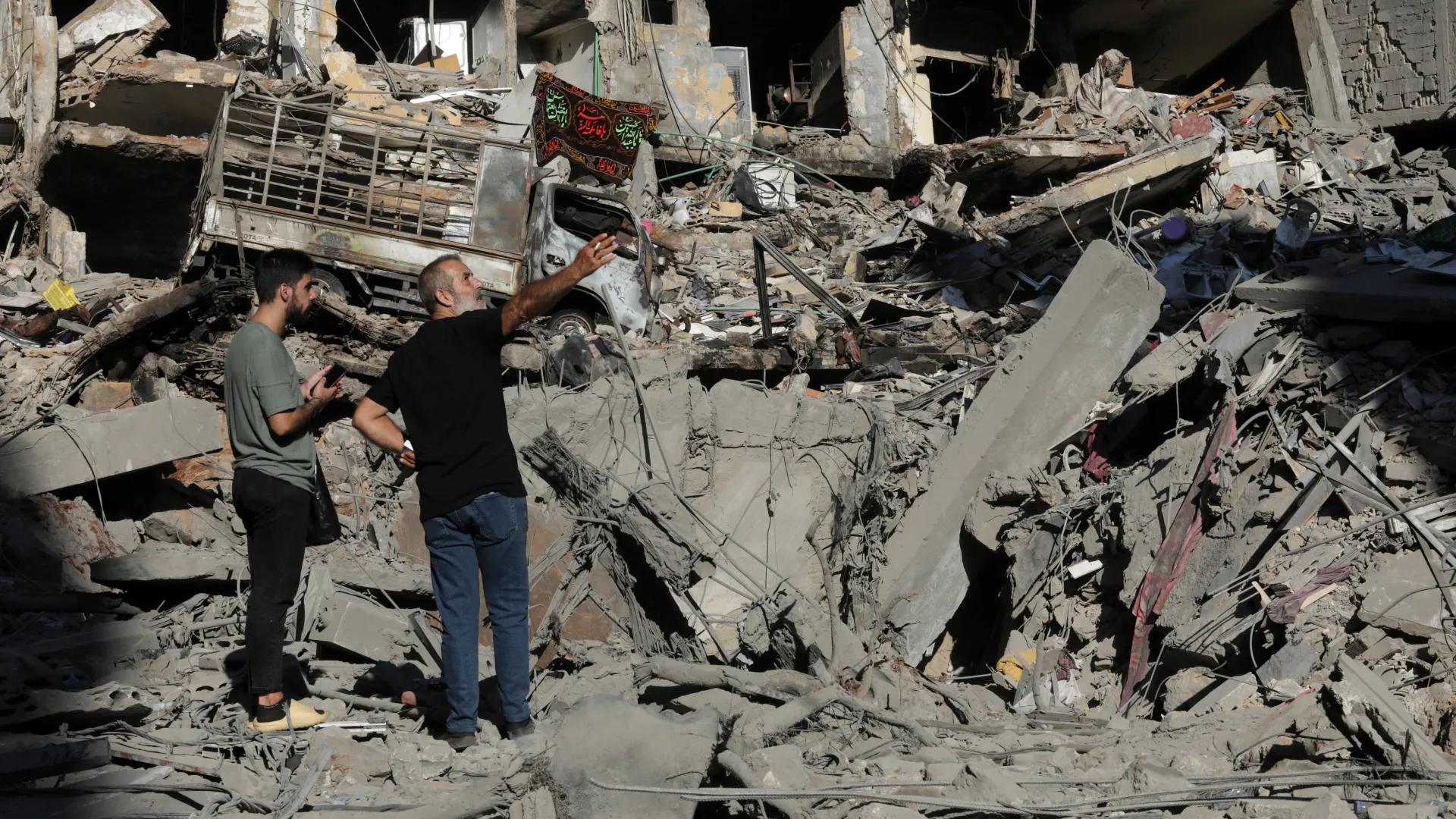
LEBANON- Lebanon's Ministry of Environment has highlighted sustainable rubble management as a central pillar of post-war environmental recovery, warning that debris generated by the 2023–2024 war poses significant risks to public health, soil quality, and natural resources if not managed in accordance with environmental standards.
The ministry's latest findings, released as part of a public awareness series based on the Environmental Cost Assessment Report of the 2023-2024 Israeli War on Lebanon.
According to the ministry, rubble generated by the conflict contains a mixture of construction materials and potentially hazardous substances that require systematic sorting, treatment, and recycling whenever possible.
Improper disposal could contaminate land and water resources while creating long-term environmental and health risks for nearby communities.
The report identifies rubble management as one of the country's most pressing environmental challenges following the conflict.
"The sustainable management of rubble is a fundamental part of environmental recovery," the ministry said, noting that debris should be processed in accordance with environmental standards to minimize its impact on ecosystems and public health.
To address the issue, the Ministry of Environment said it has adopted an approach designed to balance the urgency of rebuilding with environmental protection requirements.
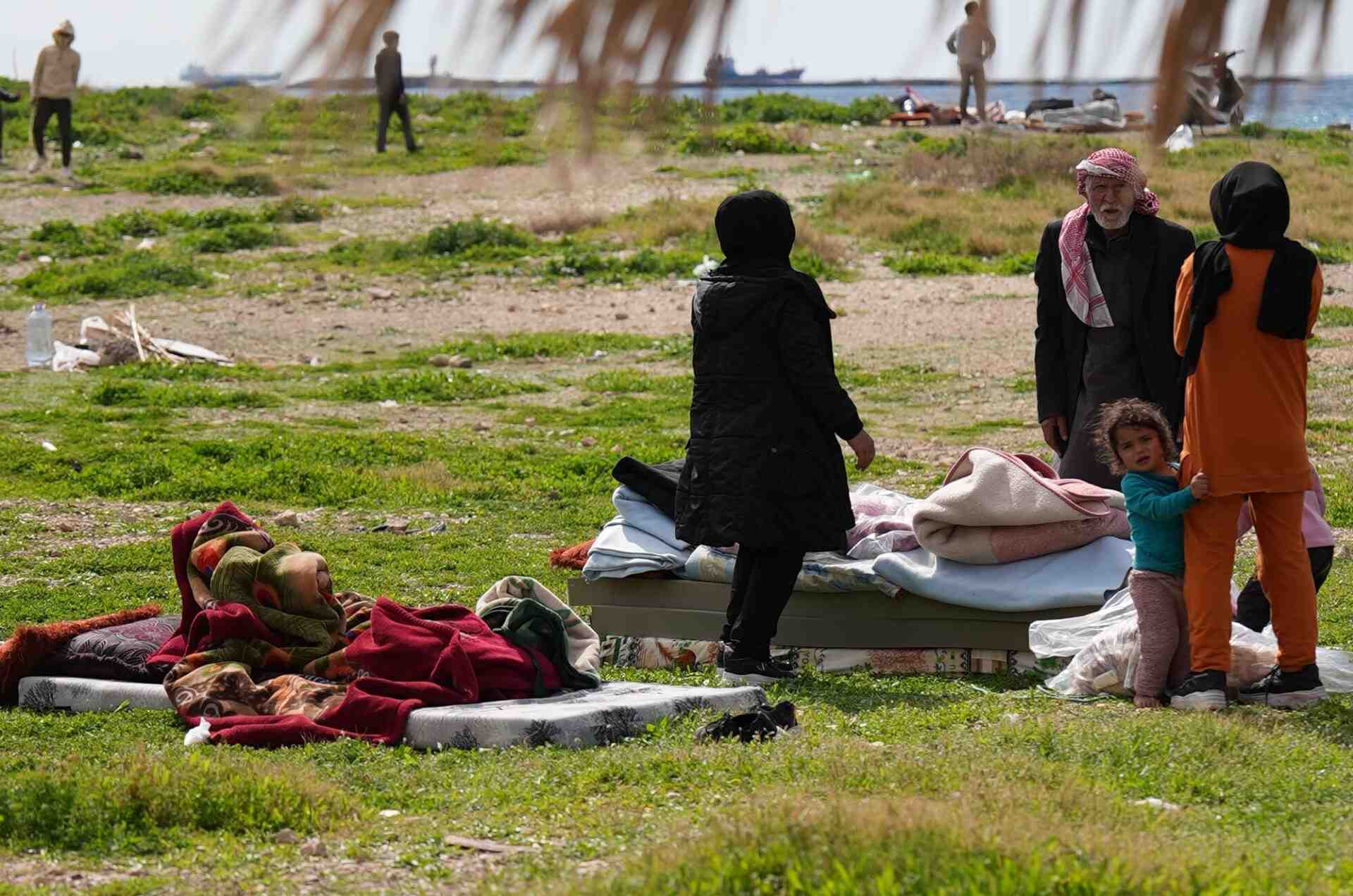
The strategy seeks to facilitate the safe return of displaced communities while limiting pollution and promoting the recovery of affected areas through responsible waste management practices.
The initiative forms part of a broader government effort to assess the environmental consequences of the war and integrate environmental considerations into Lebanon's reconstruction agenda.
The ministry has been publishing a series of summaries that highlight key findings from the Environmental Cost Assessment Report, covering the conflict's ecological impacts and the measures needed to support recovery.
Environmental experts have repeatedly warned that post-war reconstruction presents an opportunity to address these structural issues by adopting more sustainable practices rather than replicating previous approaches.
The Ministry of Environment said the full Environmental Cost Assessment Report is available on its official website as part of its efforts to increase transparency and inform policymakers, municipalities, and the public about the environmental dimensions of Lebanon's recovery process.